
Lawn
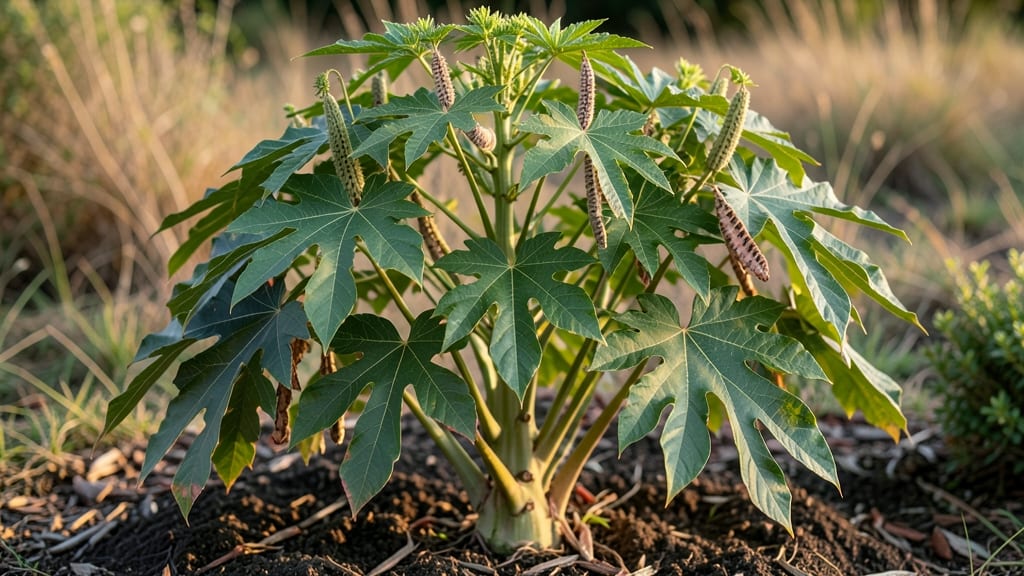
Growing castor bean seeds is one of the fastest ways to get bold tropical foliage in your garden—60 days from seed to striking red-and-green leaves. 🌱 I’ve grown them in zones 6-10, and they thrive even when other tropicals wilt in summer heat.
The secret? Cold-resistant germination and the right soil prep—no greenhouse needed. These plants aren’t just fast; they’re hardy once established, handling drought and poor soil better than you’d expect.
You’ll need well-draining soil (they hate soggy roots) and full sun, but the real trick is keeping seeds consistently warm (70°F+) until they sprout. Once up, they’re low-maintenance—just water when the top inch of soil dries.
By late summer, you’ll have 6-foot-tall specimens with dramatic foliage, perfect for screening or tropical accents. The seeds themselves are toxic (keep away from pets/kids), but the plants add serious drama to any garden. Just don’t crush the leaves—ricin is no joke.
Works in containers too—great for patios or urban gardens. Here’s how to get them growing without the guesswork.
📚 In This Guide
- What you need
- Instructions
- Tips and common mistakes
- Wrapping up and next steps
What you need
- ● Seed castor bean seeds: 10–20 seeds (organic, non-GMO preferred for best results). Note: Handle with care—seeds contain ricin, a toxic protein. Wear gloves!
- ● Seed-starting trays or pots: 2–4 small containers (3–4 inches deep) with drainage holes. Pro tip: Use biodegradable pots for easy transplanting!
- ● High-quality potting mix: 2–3 cubic feet (for trays/pots). Opt for a well-draining blend with perlite or vermiculite.
- ○ Grow lights or sunny windowsill: Access to 6–8 hours of warmth (70–80°F) and bright light daily. A heat mat (optional but helpful for cold climates) can boost germination.
- ● Spray bottle: For gentle watering to keep soil moist (not soggy!).
- ● Plastic wrap or humidity dome: To retain moisture during germination.
- ● Garden gloves: Protects hands from seed residue.
- ● Fertilizer (balanced 10-10-10 or compost tea): Lightly apply after sprouts emerge (avoid over-fertilizing).
- ● Pruning shears: For trimming leggy seedlings later.
- ● Thermometer: Monitors soil temperature (ideal: 75–85°F for germination).
- ● Transplanting tools: Small trowel or spoon for moving seedlings outdoors.
- ● Outdoor location (after hardening off): Full sun (6+ hours/day) and space (castor beans grow 6–10 feet tall!).
Step-by-Step instructions for growing castor bean seeds
Here’s how to get those striking red-and-green castor bean pods thriving in just 60 days—even in cooler climates.
🌱 Step 1: Prep Seeds for Cold-Resistant Germination
Castor bean seeds need a little help breaking dormancy, especially in cooler weather. Soak the seeds in warm water for 12-24 hours—this softens the tough outer shell and speeds up germination. I like to use a small bowl or jar, just enough water to cover the seeds completely. After soaking, drain them and let them sit in a dry, warm spot for 6-8 hours to prevent mold.
This pre-treatment is critical—skipping it can delay germination by weeks. You’ll know they’re ready when the outer coating starts to soften and the seeds feel slightly plump to the touch. Plant them within 24 hours of drying, or they’ll lose their germination edge.
🪴 Step 2: Choose Containers and Plant at the Right Depth
Castor beans grow fast, so use 6-inch deep pots or a seed tray with drainage holes—they hate soggy roots. Fill the containers with well-draining potting mix (I mix standard potting soil with 20% perlite for extra airflow). Plant the soaked seeds 1 inch deep, spacing them 3-4 inches apart if using a tray.
Press the soil gently around each seed to ensure good contact—this helps roots anchor quickly. Water lightly after planting, just enough to moisten the soil without creating puddles. Overwatering now can cause the seeds to rot before they even sprout.
☀️ Step 3: Provide Warmth and Light for Fast Sprouting
Castor beans germinate best in warmth (70-80°F). If your home runs cooler, place the pots on a seedling heat mat or near a sunny window. You’ll see sprouts in 5-10 days—they emerge quickly once conditions are right. Once the first true leaves appear (not the initial seed leaves), move them to a bright, indirect light spot for 2-3 weeks.
Here’s the thing—castor beans love light but can scorch in direct midday sun. If you’re using a grow light, keep it 4-6 inches above the seedlings and give them 14-16 hours of light daily. Leggy seedlings mean your light isn’t strong enough—adjust immediately to avoid weak stems.
🌿 Step 4: Transplant Outdoors After True Leaves Form
Wait until the seedlings have 3-4 true leaves and nighttime temperatures stay above 55°F before moving them outside. Harden them off over 7-10 days by gradually increasing their time in shade, then partial sun. Plant them in full sun in a spot with well-draining soil—castor beans despise waterlogged conditions.
Space mature plants 3-4 feet apart in the garden. They grow tall (up to 10 feet!), so give them room to avoid crowding. Water deeply 1-2 times per week, letting the soil dry slightly between waterings. Mulch around the base to retain moisture and keep roots cool.
⏰ Step 5: Monitor for Pests and Harvest Mature Pods
Castor beans are tough but can attract aphids or spider mites if stressed. Check leaves regularly—wipe off pests with a damp cloth or spray with neem oil if needed. The plants are ready to harvest when pods turn red and firm, usually 60-90 days after planting. Cut pods with 2-3 inches of stem attached for easier handling.
Wear gloves when harvesting—castor bean seeds contain ricin, a toxic compound. Only handle seeds if you’re experienced with processing. Dry the pods in a well-ventilated area for 1-2 weeks before storing. You’ll know they’re dry when the seeds rattle inside.
Tips & tricks for growing castor bean seeds successfully
Here's what I've learned from growing these striking plants—avoid these common pitfalls and watch your castor beans thrive.
Soaking Strategy: For the 12-24 hour soak in Step 1, use warm water (not hot)—around 90°F is ideal. I like to place the bowl in a sink with an inch of warm water circulating underneath to maintain consistent temperature. Change the water halfway through if it cools down. This consistent warmth is key to breaking dormancy efficiently without over-soaking.
Container Depth Matters: In Step 2, those 6-inch deep pots are non-negotiable for castor beans. I've tried shallower containers, and the roots simply can't establish properly—they'll circle and become root-bound. If using a seed tray, make sure it has drainage holes and elevate it on a saucer to prevent waterlogging, which can cause seed rot before germination.
Light Balance: The 14-16 hours of light in Step 3 is crucial, but timing matters too. Start your seedlings on a 14-hour light cycle and gradually increase to 16 hours as they grow. Use a timer for your grow lights—consistent light exposure prevents leggy growth. I've found that moving the lights slightly closer (to 3-4 inches) after the first true leaves appear helps strengthen stems without risking scorching.
Transplanting Timing: When hardening off in Step 4, I recommend starting with just 1-2 hours of outdoor exposure on day one, then increasing by 1 hour daily. Castor beans are sensitive to temperature fluctuations, so if nighttime temps drop below 55°F, bring them back inside. Their large leaves can't recover from frost damage, so don't rush this process—better to delay than lose your seedlings.
Pro Tips for Seed Castor Bean
- Here's what I've learned from growing these striking plants—avoid these common pitfalls and watch your castor beans thrive.
- Soaking Strategy: For the 12-24 hour soak in Step 1, use warm water (not hot)—around 90°F is ideal.
- Container Depth Matters: In Step 2, those 6-inch deep pots are non-negotiable for castor beans.
Frequently asked questions
Got questions about growing seed castor beans? You’re not alone! Here are some of the most common concerns—plus straightforward answers to help you succeed.
How cold-hardy are castor bean seeds, and when can I plant them?
Castor bean seeds are surprisingly cold-resistant! They can germinate in soil temperatures as low as 55°F (13°C), making them ideal for early spring or late fall planting in zones 7-11. For best results, wait until after the last frost when soil is workable (around 60°F/15°C
Germination typically takes 7–14 days in warm, moist soil. If planted in cooler conditions (<55°F/13°C), expect a slightly longer wait—up to 3 weeks. Keep soil consistently moist (not soggy) and avoid planting too deep (max ½ inch). Patience pays off—once sprouted, growth is rapid! . While the seeds themselves aren’t edible, the plant’s milky sap can irritate skin. Wear gloves when handling seeds or pruning, and avoid inhaling dust. Never consume any part of the plant—keep it away from pets and children. The good news? Toxicity fades as the plant matures, but caution is still key! Castor beans thrive in containers if given enough space—aim for a pot at least 12 inches deep and wide. Use well-draining soil and ensure the container has drainage holes. They’re also great for biofuel or ornamental use in urban settings. Just note: Their tall stalks (up to 10 feet) may need staking or a sturdy pot to prevent tipping. If your seeds don’t sprout after 3 weeks, try these fixes:
Wilting or yellowing usually signals overwatering, underwatering, or poor drainage. Castor beans prefer:
How long does it take for castor bean seeds to germinate?
Are castor bean seeds toxic? Should I wear gloves when handling them?
Yes, castor bean seeds (and plants) contain ricin, a toxic protein
Can I grow castor beans in containers, or do they need a garden bed?
What’s the best alternative if castor beans fail to germinate?
Why are my castor bean seedlings wilting or turning yellow?
If pests like aphids are present, spray with neem oil. Avoid chemical pesticides—they can harm the plant’s delicate system.
Wrapping up and next steps
Growing seed castor beans is a rewarding journey that yields fast, hardy plants perfect for lawns, hedges, or even as a living fence! 🌱 With just a few key steps—like choosing the right soil, spacing seeds properly, and providing consistent moisture—you’ll see vibrant growth in just 60 days, even in cooler climates.
The key takeaway? Patience and preparation pay off with lush, cold-resistant foliage that thrives year after year.
Ready to take the next step? Start by planting your first seeds this weekend—watch your lawn transform into a thriving green space! Need extra tips? Bookmark this guide or share it with fellow gardening enthusiasts. Happy growing! 🌿