
Propagation
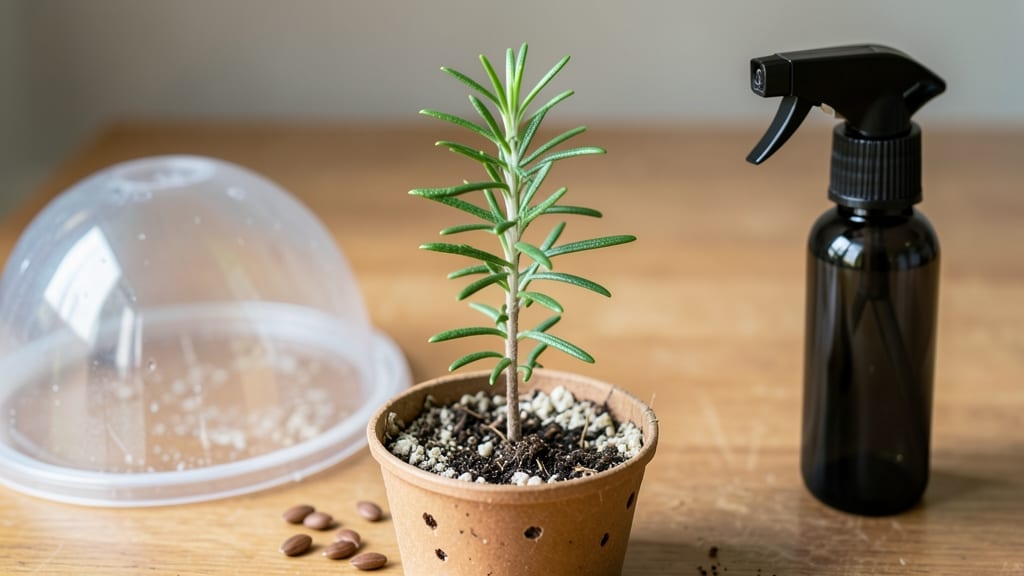
Rosemary seed germination starts with the right moisture balance—too dry, and they stall; too wet, and they rot. I’ve learned the hard way that patience and precise watering are the keys to breaking through that stubborn seed coat within 14 days.
The trick isn’t just soaking the soil but keeping it consistently damp like a wrung-out sponge, never soggy. Most rosemary seeds need a warm spot—think 70-75°F—and a light touch with a sprinkle of seed-starting mix over them.
They don’t need deep planting; just press them 1/8 inch into the soil and cover with a humidity dome or plastic wrap. The goal is to mimic their Mediterranean habitat without drowning them.
You’ll spot the first green shoots peeking through in about a week, but don’t rush to uncover them—let them acclimate gradually. Once they’ve got a few true leaves, they’re ready for their own pot and brighter light. The payoff?
Fragrant, woody stems that’ll thrive for years if you nail this early step. This method works for both indoor starts and greenhouse setups, though outdoor sowing in mild climates can also succeed with extra care. The secret’s in the consistency—moisture, warmth, and time. Let’s get those seeds sprouting!
📚 In This Guide
- What you need
- Instructions
- Tips and common mistakes
- Wrapping up and next steps
What you need
- ● Rosemary seeds: 10–20 fresh, high-quality seeds (ensure they’re from a reputable supplier for best results).
- ○ Germination trays or seedling pots: 2–4 small containers (3–4 inches deep) with drainage holes. Optional: Seed-starting kits or biodegradable pots.
- ● Seed-starting mix: 1–2 cups of sterile, well-draining potting soil (avoid garden soil—it may contain pathogens). Pro tip: Mix in perlite or vermiculite (1:4 ratio) for extra aeration!
- ● Spray bottle: 8–16 oz with a fine mist nozzle (for gentle hydration).
- ● Plastic wrap or humidity dome: A clear sheet or lid to create a mini greenhouse effect.
- ● Grow lights or sunny windowsill: A full-spectrum LED grow light (12–16 hours/day) or a south-facing window (6+ hours of direct sunlight).
- ○ Thermometer (optional but helpful): To monitor soil temperature (ideal range: 70–80°F).
- ● Small hand trowel or spoon: For gently planting seeds.
- ● Labels and markers: To track planting dates and seed varieties.
- ○ Fan (optional): A small, gentle fan to prevent mold by improving air circulation.
- ● Fertilizer (after germination): A balanced, water-soluble fertilizer (e.g., 10-10-10) diluted to half-strength once seedlings sprout.
Step-by-Step instructions for germinating rosemary seeds
Here's how to coax rosemary seeds to sprout reliably in just two weeks.
Prep Seeds and Soil for Maximum Moisture Control
Rosemary seeds have tough outer shells that need softening before planting. Soak them in warm water for 24 hours—this breaks dormancy and kickstarts germination. Use a small bowl and cover the seeds completely, changing the water every 8 hours to prevent mold. After soaking, spread them on a paper towel to dry slightly for 1 hour.
Fill your seed-starting containers with a well-draining mix of 50% peat moss and 50% perlite. Rosemary hates soggy soil, so this blend prevents rot while keeping moisture consistent. Moisten the mix until it feels like a damp sponge—squeeze it gently, and just a few drops should form. Avoid overwatering now; you want the soil to stay evenly moist but never saturated.
Plant Seeds at the Correct Depth and Temperature
Press each seed ¼ inch deep into the soil, spacing them 1 inch apart in rows. Planting too deep delays germination because the seedling must push through extra soil. Use your finger to create small indentations—this keeps seeds in place without burying them too deeply. Cover lightly with a thin layer of the same mix, just enough to obscure the seeds.
Place the containers in a warm, dark spot with a consistent temperature of 70-75°F. A seedling heat mat set to 75°F speeds up germination by 3-5 days. Check daily for moisture—tap the soil surface to see if it feels dry. If it does, mist lightly with a spray bottle until the top inch is damp. Avoid letting the soil dry out completely during this phase.
Provide Light and Monitor for Sprouts
Once 50% of seeds have sprouted (usually around 7-10 days), move the containers to a bright location with indirect light. Direct sunlight can scorch tender seedlings, so a south-facing window with sheer curtains works well. If you're using grow lights, position them 4 inches above the seedlings and keep them on for 12-14 hours daily.
Watch for the first true leaves—these are the second set of leaves that appear after the initial cotyledons (seed leaves). Once you see them, reduce watering slightly. Let the top inch of soil dry out between waterings to prevent damping-off, a fungal disease that causes seedlings to collapse. Thin to the strongest seedling per cell if you planted multiple seeds, using clean scissors to snip at soil level.
Harden Off and Transplant Young Seedlings
After 4-6 weeks, when seedlings have 3-4 sets of true leaves and are 2-3 inches tall, begin hardening them off. Place them outside in a sheltered spot for 1 hour the first day, gradually increasing exposure over 7-10 days. Start with shade and avoid direct sun, which can shock the plants. By the end of this period, they should tolerate 4-6 hours of morning sun without wilting.
Transplant outdoors after the last frost date, choosing a spot with full sun and well-draining soil. Space seedlings 18-24 inches apart to allow for growth. Water deeply at the base but avoid wetting the foliage to prevent disease. Mulch with 1 inch of organic matter to retain moisture and regulate soil temperature. You'll see new growth within 2-3 weeks if conditions are right.
Tips & tricks for perfect rosemary seed germination
These moisture-controlled secrets will help you coax rosemary seeds to sprout reliably in just two weeks.
Soaking Strategy: The 24-hour soak is non-negotiable for breaking rosemary's tough seed coats. I like to use a small glass jar for visibility—this lets me check for mold development every 8 hours. If you notice fuzzy growth, immediately rinse the seeds and refresh the water. A quick 30-second dip in diluted hydrogen peroxide (1 part peroxide to 10 parts water) can also sterilize seeds without harming them.
Soil Moisture Balance: That "damp sponge" test in Step 1 is your best friend. For extra precision, use a moisture meter—aim for 40-50% moisture content in the soil mix. If your peat moss/perlite blend feels too dry after mixing, add a spray bottle of water until it holds together when squeezed but doesn't drip. The key is maintaining this moisture without creating anaerobic conditions that suffocate seeds.
Temperature Consistency: The 70-75°F range is critical, but don't assume your home stays perfectly consistent. I've seen germination rates drop by 30% when temperatures fluctuate more than 5°F. Place your seed trays on top of a refrigerator (not inside) for stable warmth, or use a seedling heat mat set to 75°F. If your home runs cooler, consider a small space heater with a thermostat to maintain that sweet spot.
Light Transition: When moving seedlings to light in Step 3, introduce them gradually over 2-3 days. Start with just 2 hours of indirect light daily, then increase by 1 hour each day. This prevents "etiolation"—those sad, leggy seedlings that stretch toward light. If using grow lights, position them slightly higher than 4 inches (about 5-6 inches) for the first few days to avoid burning tender leaves.
Pro Tips for Rosemary Seed Germination
- These moisture-controlled secrets will help you coax rosemary seeds to sprout reliably in just two weeks.
- Soaking Strategy: The 24-hour soak is non-negotiable for breaking rosemary's tough seed coats.
- Soil Moisture Balance: That "damp sponge" test in Step 1 is your best friend.
Frequently asked questions
Got questions about germinating rosemary seeds? You’re not alone—this fragrant herb can be finicky! Here are the most common concerns and quick solutions to help you succeed.
How long does it take for rosemary seeds to germinate?
Rosemary seeds are slow starters! Under ideal conditions (warmth, moisture, and indirect light), germination typically takes 14–21 days. Some seeds may take up to 30 days—patience is key. Keep soil consistently moist (not soggy) and maintain temperatures around 70–75°F (21–24°C) for best results.
Do rosemary seeds need light to germinate?
Nope! Seeds germinate best in darkness at first. Once sprouted, move seedlings to a bright spot with 4–6 hours of indirect sunlight daily. Too much light too soon can stress delicate sprouts. A sunny windowsill or grow light works great after germination.
Can I speed up rosemary seed germination?
Yes! Try these tricks:
- Soak seeds in warm water for 12–24 hours before planting to soften the hard outer shell.
- Use a heat mat (set to 75°F/24°C) to mimic tropical conditions.
- Mist seeds lightly with hydrogen peroxide (3%) to prevent mold and boost oxygen flow.
What if my rosemary seeds aren’t sprouting?
Don’t panic! First, check for these common issues:
- Old seeds: Rosemary seeds lose viability over time (store-bought seeds are often 1–2 years old). Try fresh seeds or ask a local nursery for recent harvests.
- Cold soil: Seeds need warmth to activate. If your space is chilly (<60°F/15°C), use a seedling heat mat.
- Poor soil contact: Press seeds lightly into soil—don’t bury them deep (¼ inch max).
Can I grow rosemary from seeds outdoors?
Outdoor germination is possible but riskier due to unpredictable weather. Plant seeds in late spring (after the last frost) in well-draining soil with partial shade. Cover seeds with a cloche or plastic wrap to retain moisture until sprouts appear. Harden off seedlings gradually before transplanting.
Pro Tip:
Label your seed trays! Rosemary seedlings look similar to other herbs early on. Use toothpicks and masking tape to mark pots—you’ll thank yourself later when those tiny sprouts grow into fragrant bushes!
Wrapping up and next steps
Germinating rosemary seeds with moisture-controlled speed sprouting isn’t just possible—it’s a rewarding way to grow your own fragrant, hardy plants in just 14 days! By mastering the right balance of moisture, warmth, and patience, you’ll unlock a faster, more efficient way to cultivate this versatile herb.
Whether you’re a seasoned gardener or a curious beginner, this method makes success accessible.
Ready to take the next step? Once your seedlings sprout, transplant them into soil and watch them thrive! 🌱✨