
Shrubs
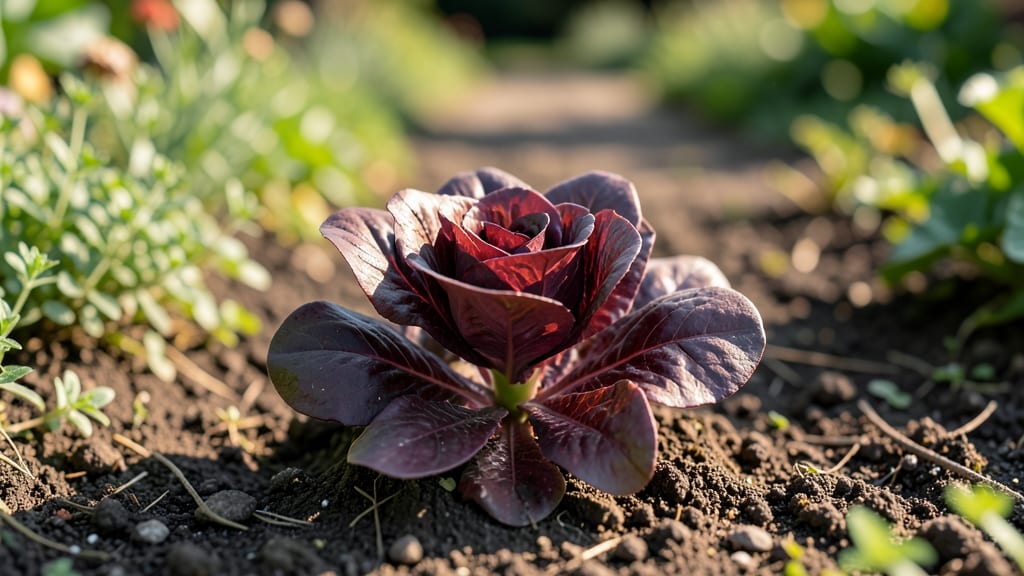
Growing red leaf lettuce seedlings that survive transplanting starts with a cold-hardened approach—because nothing beats the satisfaction of crisp, red-tinged leaves straight from your garden. 🌱 I learned the hard way that delicate seedlings flop in the first real chill, so I now use a simple tray-and-fridge method to toughen them up before they even hit the soil.
The secret lies in gradual exposure: start seeds indoors under grow lights, then move them to a fridge for 10-14 days to mimic spring's slow warming. Plant them at ¼-inch depth in well-draining soil, and keep them consistently moist but never soggy—damping off is the #1 seedling killer.
Red leaf lettuce handles heat better than most varieties, but it still craves 4-6 hours of morning sun to stay sweet and crisp.
By the time you're ready to transplant, your seedlings will be stocky, dark green, and ready to handle cooler temperatures. The first harvest comes in just 4-6 weeks, and the flavor?
Richer than store-bought with that signature red blush. The key is patience—rushing the hardening process leads to floppy, stressed plants that never recover.
Works for both spring and fall planting, and the same method applies to other cold-hardy greens like spinach or arugula. Here's how to avoid the most common pitfalls and get seedlings that thrive from day one.
📚 In This Guide
- What you need
- Instructions
- Tips and common mistakes
- Wrapping up and next steps
What you need
- ● Red leaf lettuce seeds: 1 packet (approx. 500 seeds) – Look for heirloom or organic varieties for best results!
- ● Seed-starting trays or biodegradable pots: 50–100 cell trays (2–3 inches deep) or 4-inch pots – Biodegradable pots save transplant shock!
- ● High-quality seed-starting mix: 1 bag (1–2 cubic feet) – Avoid garden soil; it’s too dense for seedlings.
- ● Grow lights or sunny windowsill: LED grow lights (12–16 hours/day) OR a south-facing window with 6+ hours of sunlight.
- ● Misting bottle or spray nozzle: For gentle watering – Overwatering = sad seedlings!
- ○ Heat mat (optional but helpful): 1 mat (70–75°F range) – Speeds up germination in cooler climates.
- ● Tweezers or seedling pickers: For easy transplanting.
- ● Fertilizer (balanced or organic): Diluted liquid fertilizer (5-5-5 or fish emulsion) – Start after 2–3 weeks.
- ● Plastic domes or humidity tents: To retain moisture during germination.
- ○ Thermometer (optional): To monitor soil temp (ideal: 60–70°F for germination).
- ● Cold frame or greenhouse (for hardening): If prepping for early outdoor planting.
Step-by-Step guide to cold-hardening red leaf lettuce seedlings
Here's how I transform tender seedlings into resilient transplants ready for spring's chill.
☀️ Step 1: Acclimate Seedlings to Outdoor Light Gradually
Start by moving your 4-week-old seedlings to a sheltered outdoor spot—like under a patio cover or against a north-facing wall—where they'll receive 4-6 hours of indirect sunlight daily. This mimics natural conditions without shocking the plants. I begin with just 1 hour of exposure on the first day, then increase by 1-2 hours daily over 7-10 days.
Watch for subtle changes: the seedlings will darken slightly as they produce more chlorophyll, and their stems will thicken. If leaves start wilting or yellowing, they're getting too much sun too soon—move them to a shadier spot immediately. This gradual process hardens their cell walls and improves their ability to withstand temperature fluctuations.
💧 Step 2: Introduce Temperature Variations Slowly
After 5 days of light acclimation, introduce temperature variations by leaving the seedlings outside overnight, but bring them back inside if nighttime temperatures drop below 40°F. I use a small plastic tray to transport them easily, and I place them near a protected wall where they won't be exposed to wind. Over 5-7 days, extend their outdoor time to include full nights, provided temperatures stay above 35°F.
You'll notice the seedlings developing a deeper green color and slightly thicker stems as they adapt. If frost is forecasted, cover them with a lightweight frost cloth or even an old bedsheet secured with bricks or stakes. This protects them without trapping too much heat, which can cause stress. Avoid plastic—it traps moisture and can lead to rot.
⏰ Step 3: Test for Full Hardiness Before Transplanting
When your seedlings have been outdoors for 10-14 days and can handle overnight temperatures down to 30°F, it's time for the final test. On a mild day, transplant them into their final garden spots in the early morning or late afternoon to minimize stress from direct sunlight. Space them 8-12 inches apart in rows 12-18 inches apart, depending on your variety.
Water them deeply right after transplanting to help settle the soil around the roots and reduce shock. Over the next 3-5 days, monitor them closely. Healthy seedlings will show new growth within a week, indicating they've successfully adapted. If any leaves yellow or wilt, provide extra shade and water consistently until they recover.
🌱 Step 4: Maintain Post-Transplant Care
Once transplanted, focus on keeping the soil consistently moist but not waterlogged—lettuce roots are shallow and sensitive to both drought and excess moisture. I water in the early morning to allow foliage to dry before evening, reducing the risk of fungal diseases. Mulch around the base with 1-2 inches of straw or shredded leaves to retain moisture and regulate soil temperature.
Continue to protect young plants from sudden cold snaps with row covers or cloches if temperatures drop below 25°F. As the seedlings mature, you'll see them develop a more robust structure and a deeper red hue in their leaves—this is your sign that they're thriving. Harvest outer leaves as they reach 4-6 inches to encourage continuous growth and prevent bolting.
Tips & tricks for perfect red leaf lettuce transplants
Real talk: Cold-hardening lettuce seedlings takes patience, but these tricks will help you avoid common pitfalls and get robust transplants every time.
Light Exposure Strategy: In Step 1, when increasing sunlight from 1 hour to 4-6 hours over 7-10 days, I use a simple trick: mark your calendar with the daily exposure time. This prevents accidentally overexposing seedlings to direct sun. Place them where they get morning sun and afternoon shade—this gradual transition mimics natural spring conditions and prevents leaf scorch.
Temperature Transition Hack: For Step 2, I recommend using a small thermometer near your seedlings to monitor overnight temperatures. If you're near the 40°F threshold, bring them in immediately—lettuce can handle 35°F overnight after acclimation, but sudden drops below 40°F can cause irreversible damage. I've learned this the hard way after losing seedlings to unexpected frost!
Transplanting Timing: When testing full hardiness in Step 3, I wait until seedlings can handle 30°F overnight for at least 3 consecutive nights before transplanting. This extra buffer ensures they'll survive unexpected cold snaps after you plant them. The morning transplant timing is critical—early morning means cooler temperatures and less direct sun stress during their first critical hours outdoors.
Post-Transplant Recovery: After transplanting in Step 4, I create a mini greenhouse effect by placing a clear plastic bottle (cut in half) over each seedling for the first 3-5 days. This maintains humidity while they establish roots. Remove the bottles gradually over 3 days to avoid shocking the plants with sudden exposure to dry air.
Pro Tips for Red Leaf Lettuce Seedling
- Real talk: Cold-hardening lettuce seedlings takes patience, but these tricks will help you avoid common pitfalls and get robust transplants every time.
- Light Exposure Strategy: In Step 1, when increasing sunlight from 1 hour to 4-6 hours over 7-10 days, I use a simple trick: mark your calendar with the daily exposure time.
- Temperature Transition Hack: For Step 2, I recommend using a small thermometer near your seedlings to monitor overnight temperatures.
Frequently asked questions
Got questions about growing red leaf lettuce seedlings? You’re not alone! Here are some of the most common concerns—plus quick, practical answers to get your cold-hardy greens thriving.
How long does it take for red leaf lettuce seedlings to germinate?
Red leaf lettuce seeds typically sprout in 5–10 days under ideal conditions: consistent moisture, warm soil (60–70°F), and indirect light. Keep the soil damp (not soggy) with a humidity dome or plastic wrap to speed up germination. Patience is key—some seeds may take up to 2 weeks!
Can I plant red leaf lettuce seedlings outside in cold weather?
This variety is cold-hardy and can tolerate light frosts (down to 20°F) once established. Start seedlings indoors 4–6 weeks before your last frost, then harden them off for 7–10 days before transplanting. For extra protection, use row covers or plant in late fall for a winter harvest.
What’s the best way to harden off red leaf lettuce seedlings?
Gradually expose seedlings to outdoor conditions over 7–10 days:
- Day 1–3: Place in shade for 1–2 hours, then bring inside.
- Day 4–6: Increase time to 4–6 hours, adding morning sun.
- Day 7–10: Leave out all day, reducing shade incrementally.
What can I do if my red leaf lettuce seedlings bolt or turn bitter?
Bolting (premature flowering) or bitterness often happens due to heat stress, long daylight, or overcrowding. To prevent it:
- Sow seeds in late summer or early fall for cooler temps.
- Use shade cloth (30–50%) if planting in hot months.
- Harvest outer leaves first to avoid overcrowding.
- Choose slow-bolting varieties like ‘Salad Bowl’ if you’re in a warm climate.
Are there alternatives to red leaf lettuce for cold climates?
Yes! If you love cold-hardy greens, try these low-temperature-tolerant options:
- Winter Density lettuce: Handles frost better than red leaf.
- Arctic King kale: Thrives in cold and adds texture.
- Spinach (e.g., ‘Bloomsdale Long Standing’): Edible well below freezing.
- Arugula: Peppery and productive in cool weather.
Wrapping up and next steps
Growing red leaf lettuce seedlings with cold-hardened starts is a rewarding way to ensure a thriving, resilient transplant—especially in cooler climates! 🌱 By following the right steps, from selecting quality seeds to mastering proper hardening and care, you’ll set your garden up for success.
Whether you’re a beginner or a seasoned gardener, these tips will help you cultivate healthy, vibrant lettuce ready for the great outdoors.
Now that you’re armed with the know-how, take the next step—grab those seeds and start your seedlings today! With patience and care, you’ll soon be harvesting crisp, flavorful red leaf lettuce straight from your garden. Happy planting! 🌿