
Vegetables
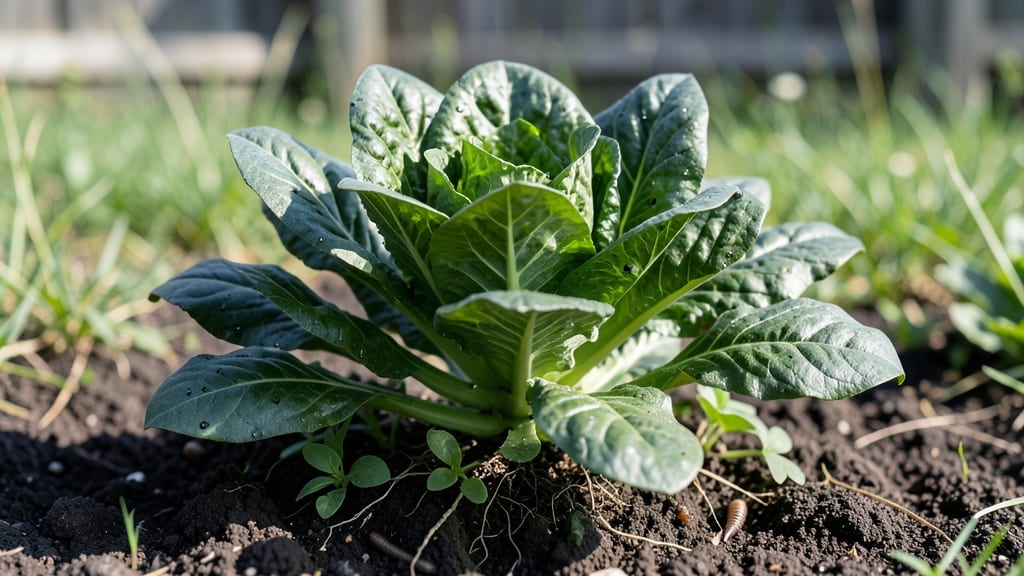
Understanding the black seed lettuce stages 🥬 is your secret weapon for a garden full of crisp, flavorful leaves instead of bitter disappointment.
Picture this: you’ve just planted your seeds, eager for a quick harvest, only to watch them bolt into flower before you even get a chance to taste them. That’s the frustration I’ve seen too many gardeners face—and it’s completely avoidable with the right timing and care.
Black seed lettuce thrives in cool weather, but its growth stages demand precision. From the first tiny sprouts peeking through the soil to the day you harvest your first perfect leaves, each phase has its own needs.
In this guide, I’ll walk you through every step—what to expect, how to spot problems early, and how to keep your lettuce tasting sweet and fresh until the last harvest. Ready to grow the best black seed lettuce you’ve ever had?


Black seed lettuce growth stages explained with timeline & visual clues
Black seed lettuce (Lactuca sativa) grows through five distinct stages, each with unique leaf shapes, growth rates, and care needs. Understanding these phases helps you avoid common pitfalls like bitter flavors or premature bolting.
I’ll walk you through each stage with day-by-day expectations, visual clues, and environmental triggers to keep your lettuce thriving.
This variety’s dark seeds and heat tolerance make it ideal for late-summer plantings. Unlike delicate butterhead types, black seed lettuce handles warmer temperatures better, but timing is everything. Let’s start with the first signs of life—germination—where patience and moisture control set the foundation for success.
📊 Visual Clues Summary: Below is a quick-reference table for each stage’s key characteristics, including leaf shape, height, and days to progress. Bookmark this for your garden journal!
Stage 1: Germination (Days 1–7) begins when you plant black seeds ¼-inch deep in moist, well-draining soil. Keep the soil temperature between 60–75°F—warmer than this can slow sprouting. Within 3–7 days, you’ll see tiny white sprouts emerge. This is the most critical stage for moisture control; let the soil dry slightly between waterings to prevent fungal diseases like damping-off.
Once sprouts appear, thin seedlings to 1 inch apart to reduce competition. Use scissors to avoid disturbing roots. If you’re sowing in rows, maintain 12-inch spacing between plants for optimal air circulation. 🌱
Stage 2: Rosette (Days 7–14) marks the transition to true leaves, which will be dark green and rounded. At this point, your seedlings are vulnerable to heat stress, so provide partial shade (30–50% coverage) if temperatures exceed 80°F. This stage is also when you’ll thin seedlings to 6–8 inches apart—pull weaker plants at soil level to avoid disturbing roots of remaining seedlings.
Watch for first true leaves (not the initial seed leaves). These will have crinkled edges and a slightly wrinkled texture. If leaves appear yellow or stunted, check for overwatering or poor drainage. A light application of fish emulsion fertilizer (5-5-5) can boost growth without overfeeding.
Stage 3: Leaf Development (Days 14–30) is where your lettuce’s signature crisp, oval leaves take shape. Leaves will grow 2–4 inches long with ruffled edges, and the plant will reach 4–6 inches tall. This is the ideal time to mulch around the base with straw or shredded leaves to retain moisture and suppress weeds. Water at the base of the plant in the morning to prevent fungal issues
How to identify & fix common black seed lettuce growth problems by stage
Black seed lettuce is a hardy variety, but even the toughest plants face challenges at different growth stages. Slow germination in cool soil, yellowing leaves from overwatering, and stunted growth due to poor light are all common issues.
Each stage—from seedling to maturity—has unique problems that require targeted fixes. Let’s tackle them one by one so your lettuce thrives from sprout to salad bowl.
First, germination problems often stem from soil that’s too cold or dry. Black seed lettuce needs consistent moisture and temperatures between 60°F and 70°F to sprout reliably. If your soil feels cooler than a chilled drink, cover seeds with a clear plastic dome or use a seedling heat mat.
Overwatering here can also cause seeds to rot, so aim for even moisture, not soggy soil.
⚠️ callout warning
- Germination: Cold soil? Use a heat mat; damp seeds? Reduce watering.
- Seedling: Yellow leaves? Check for overwatering or nutrient deficiency.
- Maturity: Bitter taste? Harvest earlier or provide shade to slow bolting.
- Bolting: Heat stress? Mulch heavily and avoid fertilizing in summer.
Act fast—each stage has a 3-day window to correct issues before permanent damage occurs.
Once seedlings emerge, yellowing leaves are a red flag. This usually means overwatering or poor drainage, causing root rot. Let the top inch of soil dry out between waterings, and ensure pots or beds have drainage holes.
If leaves also feel soft or mushy, downy mildew might be setting in—spray with a baking soda solution (1 tsp baking soda + 1 quart water) to prevent spread.
For stunted growth at the rosette stage, check your lettuce’s light exposure. Black seed lettuce thrives in partial shade (4-6 hours of sun daily), but too little light leads to leggy, weak plants. Move containers to a sunnier spot or supplement with a grow light if indoors.
Lack of nutrients can also slow growth—feed with a balanced 5-10-10 fertilizer every 4-6 weeks, but avoid heavy doses in summer to prevent bolting.
As lettuce matures, bitterness and premature bolting become the biggest threats. Heat stress (above 75°F) triggers bolting, so provide afternoon shade with a shade cloth or mulch heavily to keep roots cool.
To delay bolting, also avoid fertilizing in summer—lettuce focuses on leaf growth when nitrogen is limited. For bitterness, harvest outer leaves first and avoid letting the plant mature fully.
Finally, if your lettuce bolts too early, it’s often due to day length or genetic triggers. Black seed lettuce is a long-day variety, meaning it bolts faster in 14+ hours of daylight.
In summer, use blackout cloth after 12 hours of light to trick the plant into staying in leaf production. For fall crops, succession plant every 2-3 weeks to ensure a steady harvest before bolting sets in.
With these stage-specific fixes, your black seed lettuce will stay crisp, sweet, and ready for the cutting board—no bitter surprises here! 🥬