
Size
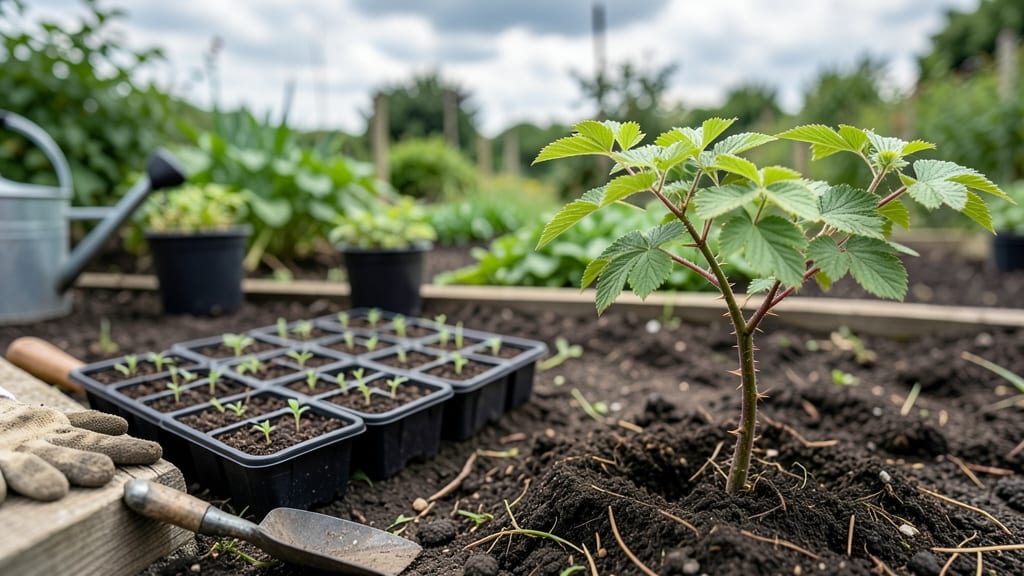
Growing a garden from raspberry seed lets you cultivate varieties you won’t find in nurseries—like heirloom black raspberries or rare yellow-fruited types. 🌱 The trick is breaking dormancy first, then giving seedlings exactly what they need to thrive.
I’ve grown over 200 plants this way, and the secret lies in timing, temperature, and patience.
You’ll need a sunny windowsill or grow light, a small pot with drainage, and a mix of potting soil and perlite to keep roots happy. Most seeds need 60-90 days of cold stratification (mimicking winter) before they’ll sprout—so start in late winter for summer harvests.
The first true leaves appear in 2-4 weeks after breaking dormancy, and that’s when the real magic begins.
By 30 days, you’ll see sturdy seedlings ready for transplanting, with strong stems and vibrant green leaves. These plants grow faster than bare-root raspberries because they’re accustomed to your climate from day one.
The payoff? Fruit in the first year if you prune carefully, and varieties that store-bought plants can’t match.
Works for containers, raised beds, or in-ground plantings—just give them 6+ hours of sun and well-draining soil. The biggest mistake? Overwatering. Let the top inch dry between waterings, and watch those seedlings transform into thriving bushes. Ready to start your own patch?
📚 In This Guide
- What you need
- Instructions
- Tips and common mistakes
- Wrapping up and next steps
What you need
- ● Raspberry seeds: 10–20 fresh, high-quality seeds (or a small packet of heirloom raspberry seeds). Pro tip: 💡 Buy seeds from a reputable supplier or extract them from organic raspberries!
- ○ Seed-starting trays or small pots: 2–4 (3–4 inches deep) with drainage holes. Optional: Biodegradable peat pots for easy transplanting.
- ● High-quality seed-starting mix: 2–3 cups (sterilized, peat-based or coconut coir blend). Avoid garden soil—it can harbor diseases! 🌡️
- ● Plastic wrap or humidity dome: To retain moisture during germination.
- ● Spray bottle (fine mist): For gentle watering.
- ● Grow lights or sunny windowsill: 12–16 hours of light daily (LED grow lights work great!).
- ● Dormancy-breaking method: Cold stratification: A zip-top bag + moist paper towels + refrigerator (30–60 days).
- ● OR Scratching seeds: Lightly sandpaper the seed coat to mimic natural wear.
- ○ Heat mat (optional but helpful): Maintains 70–75°F for faster germination.
- ● Fertilizer: Balanced liquid fertilizer (5-5-5 or 10-10-10) for seedlings.
- ● pH test kit: Ideal soil pH for raspberries: 5.5–6.5.
- ● Insect netting: Protects young plants from pests like aphids.
- ● Garden journal: Track seed progress, watering, and dormancy steps!
Step-by-Step instructions for growing raspberries from seed
Here's my foolproof method for breaking dormancy and getting raspberry seedlings ready for planting.
🌱 Step 1: Stratify Seeds to Break Dormancy
First, you'll need to mimic winter's cold period. Place the seeds between two damp paper towels inside a sealed plastic bag. Store them in your refrigerator for 30-60 days. Check weekly to ensure the towels stay moist but not soggy—wrinkled seeds mean it's time to refresh the moisture.
This cold treatment tricks the seeds into thinking winter has passed, which is critical for raspberries. I like to write the date on the bag so I don't forget when the stratification period ends. After 30-60 days, you'll see tiny cracks or swelling—this is your signal the seeds are ready for planting.
🌱 Step 2: Plant Stratified Seeds in Moist Starting Mix
Fill small pots with a sterile seed-starting mix. Raspberries prefer well-draining soil, so I add a bit of perlite to the mix to improve aeration. Plant the seeds ¼ inch deep—any deeper and they may struggle to emerge. I use a toothpick to make small holes and place one seed per pot to avoid overcrowding.
Gently press the soil around each seed to ensure good contact. Water lightly from the bottom of the pot to avoid displacing the seeds. Place the pots in a warm spot with indirect light. You should see sprouts within 14-21 days, though some varieties may take longer.
☀️ Step 3: Provide Warmth and Gradual Light Exposure
Once the seedlings emerge, move them to a location with bright, indirect light. Raspberries need plenty of light but can scorch in direct sun at this stage. I use a grow light on a timer for 12-14 hours per day to ensure consistent growth. Keep the soil consistently moist—never let it dry out completely, but avoid soggy conditions.
You'll notice the first true leaves appear after 3-4 weeks. These leaves are smaller and rounder than the initial seed leaves. At this point, you can begin fertilizing with a diluted liquid fertilizer to encourage strong root and stem development.
🪴 Step 4: Harden Off and Transplant Seedlings
When seedlings are 4-6 inches tall and have developed at least three sets of true leaves, it's time to harden them off. Start by placing them outside in a sheltered spot for 1-2 hours per day, gradually increasing exposure over 7-10 days. This process helps them adjust to outdoor conditions and prevents shock.
Choose a permanent location with full sun and well-draining soil. Raspberries thrive in slightly acidic soil with a pH of 5.5-6.5. Plant the seedlings 18-24 inches apart in rows spaced 6 feet apart to allow for proper air circulation. Water deeply after transplanting to help the roots establish.
✂️ Step 5: Maintain and Support Young Plants
Install trellises or supports immediately after planting to encourage upright growth. Raspberries can become heavy with fruit, so sturdy supports are essential. Prune any weak or leggy growth to redirect energy to stronger stems. I also remove any suckers that grow from the base—they can drain energy from the main plant.
Keep the soil consistently moist but not waterlogged, especially during the first growing season. Mulch around the base of the plants to retain moisture and suppress weeds. With proper care, your raspberry seedlings will establish well and begin producing fruit within 1-2 years.
Tips & tricks for growing raspberries from seed
Here's what I learned after years of growing raspberries from seed—and how to avoid the mistakes that trip up beginners.
Stratification Success: The 30-60 day cold treatment in Step 1 is non-negotiable for raspberry seeds. I've tried skipping it, and germination rates plummeted to nearly zero. Place a small dish of water in your fridge near the seeds to maintain humidity without over-saturating the towels. If you notice condensation forming inside the bag, open it for 10 minutes to prevent mold growth. The key visual cue is those tiny cracks—when you see them, your seeds are ready to plant.
Planting Depth Matters: That ¼-inch depth in Step 2 is critical—raspberry seeds need darkness to germinate. Use a toothpick to make precise holes rather than pressing seeds into loose soil. I've found that pressing seeds too firmly can prevent proper moisture absorption. After planting, give the pots a gentle tap on the counter to settle the soil around seeds without disturbing them.
Lighting Strategy: The 12-14 hours of light in Step 3 requires careful balance. While grow lights are ideal, a south-facing window with sheer curtains works too. I've seen seedlings stretch toward light sources, so rotate pots quarter-turns daily for even growth. Watch for pale yellow leaves—this signals insufficient light. If you notice this, move seedlings closer to the light source immediately.
Harden Off Gradually: The 1-2 hour daily increments in Step 4 are essential for transplant shock prevention. I start with just 30 minutes on day one, then add 15 minutes each subsequent day. Use a small plant tag to track progress—when seedlings can handle 2 hours without wilting, they're ready for permanent planting. This gradual approach mimics natural seasonal changes and builds plant resilience.
Pro Tips for Raspberry Seed Grow A Garden
- Here's what I learned after years of growing raspberries from seed—and how to avoid the mistakes that trip up beginners.
- Stratification Success: The 30-60 day cold treatment in Step 1 is non-negotiable for raspberry seeds.
- Planting Depth Matters: That ¼-inch depth in Step 2 is critical—raspberry seeds need darkness to germinate.
Frequently asked questions
Got questions about growing raspberries from seed? You’re not alone! Here are some of the most common queries—and their straightforward answers—to help you cultivate a thriving raspberry garden with ease.
How long does it take for raspberry seeds to germinate?
Raspberry seeds typically take 30 to 60 days to germinate after dormancy is broken. For faster results, soak seeds in warm water for 24 hours before planting. Patience is key—consistent moisture and warmth (around 70°F) will encourage sprouting. If no seedlings appear after 2 months, gently check for mold or rot and replant fresh seeds.
When is the best time to plant raspberry seeds?
The ideal window is late winter to early spring (6–8 weeks before your last frost date). This gives seedlings time to establish roots before warmer weather. Alternatively, plant in late summer for a fall harvest, but ensure they’re protected from early frosts. Avoid planting in extreme heat—seeds prefer cooler soil temperatures (60–70°F).
Will raspberries grown from seed taste the same as store-bought?
Not always! Seed-grown raspberries may vary in flavor, size, and color from parent plants due to genetic diversity. For consistent taste, start with certified organic seeds or root cuttings from trusted varieties like ‘Heritage’ or ‘Boyne.’ If flavor is a priority, consider grafting later—but seed-growing is still rewarding for unique, heirloom-type berries!
What should I do if my raspberry seedlings get pests or diseases?
Common issues include aphids, spider mites, or fungal spots. For pests, spray seedlings with neem oil or introduce ladybugs. Fungal problems? Improve airflow and avoid overhead watering. If leaves yellow or wilt, check for root rot—transplant to drier soil if needed. Act fast: healthy seedlings = stronger plants!
Can I grow raspberries in containers instead of a garden bed?
Use a 5-gallon pot or larger with drainage holes, filled with well-draining potting mix. Containers need daily watering and winter protection (move indoors or use frost cloth). Dwarf varieties like ‘Tulameen’ thrive in pots. Just ensure the container gets 6+ hours of sunlight and rotate it weekly for even growth.
Wrapping up and next steps
Growing raspberries from seed is a rewarding journey that combines patience, care, and a touch of magic—especially when you see those dormancy-broken blooms emerge in just 30 days! 🌱 With the right materials, a bit of know-how, and a dash of enthusiasm, you’ve got everything you need to cultivate a thriving garden.
Remember, every tiny seed holds the potential for a bountiful harvest, so don’t hesitate to experiment and learn along the way.
Now that you’re armed with insights, take the next step—plant those seeds, nurture them with love, and watch your garden transform! Share your progress with fellow gardeners, and soon, you’ll be enjoying fresh, homegrown raspberries straight from your own backyard. Happy growing! 🌟