
Size
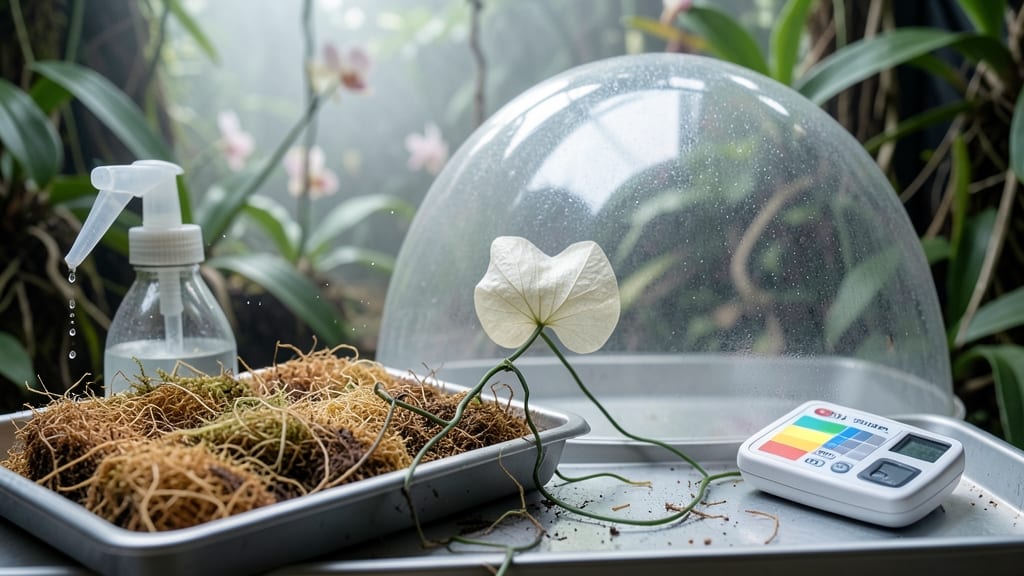
Growing a garden with a rafflesia seed is the ultimate challenge for tropical plant enthusiasts. 🌿 This parasitic giant flower demands patience, precise conditions, and ethical sourcing—but the reward is one of nature's most breathtaking blooms.
Most gardeners never attempt it, but if you're ready for the adventure, here's how to begin.
The first hurdle is finding viable seeds, which are rare and often require special permits. Once you have them, germination takes 4-6 weeks in a humid, warm environment with a host vine nearby. The soil must stay consistently moist but never waterlogged, mimicking the rainforest floor where rafflesia naturally thrives.
After germination, the real wait begins—60 days or more until the first signs of growth appear. You'll need to monitor temperature closely (75-85°F), provide 80% humidity, and ensure the parasitic roots connect properly with a host plant.
Every step requires delicate balance, but success brings a flower that can reach 3 feet wide with a scent like rotting meat.
This isn't a project for beginners, but if you're committed to tropical gardening, rafflesia offers an unmatched experience. Ethical sourcing and proper care are critical—skip shortcuts, and you'll either fail or risk harming wild populations. For those who meet the challenge, the blooms are worth every moment of preparation.
📚 In This Guide
- What you need
- Instructions
- Tips and common mistakes
- Wrapping up and next steps
What you need
- ● Rafflesia seeds: 5–10 fresh, viable seeds (source from a reputable botanical supplier or research institution). Note: These are not commercially available to the public in most regions—check local laws!
- ● Sterilized potting mix: 10–15 lbs of a well-draining, sterile blend (50% coconut coir, 30% perlite, 20% orchid bark). Pasteurize for 30 mins at 180°F (82°C) to kill pathogens.
- ● Seedling trays: 2–3 shallow trays (4" deep) with drainage holes, or small pots (2–3" diameter).
- ● Humidity dome or plastic wrap: To maintain 80–90% humidity during germination.
- ● Spray bottle: With distilled water for gentle misting (avoid tap water—chlorine can harm seeds!).
- ● Grow lights or shade cloth: A full-spectrum LED grow light (12–14 hrs/day) or 50–70% shade cloth for indirect light.
- ● Thermometer/hygrometer: To monitor 75–85°F (24–29°C) temps and humidity.
- ○ Fungicide (optional but recommended): 1 bottle of systemic fungicide (e.g., Mycorrhizal inoculant or Benomyl) to prevent mold.
- ● Heat mat: For trays to maintain consistent warmth.
- ● Air purifier: To reduce dust and airborne pathogens.
- ● Journal/notebook: To track seedling progress, moisture levels, and growth milestones.
- ● Tetrapak or seedling heaters: For extra warmth during germination.
- ● Compost tea: Organic nutrient boost (use sparingly—Rafflesia is sensitive!).
Step-by-step guide to cultivating Rafflesia from seed
Here's how to nurture these rare tropical giants—where most gardeners fail at the first hurdle.
🌱 Step 1: Source and Prepare the Seeds
Rafflesia seeds are notoriously difficult to obtain, often requiring specialty suppliers or botanical exchanges. Once acquired, they must be planted within 24 hours of collection—they lose viability rapidly. I recommend ordering from a reputable tropical plant nursery that specializes in rare orchids and parasitic plants.
Before planting, soak the seeds in lukewarm water for 12-24 hours to soften the outer coating. This step is critical—dry seeds often fail to germinate. Use a fine mesh strainer to prevent them from slipping through while soaking. The water should remain 75-80°F throughout the process.
🪴 Step 2: Create the Ideal Germination Environment
Rafflesia requires a symbiotic relationship with its host vine (Tetrastigma) to thrive, but you’ll need to simulate this in a controlled setting. Start by planting the soaked seeds in a sterile, well-draining mix of 50% peat moss, 30% perlite, and 20% coconut coir. This mimics the humid, airy conditions of their native rainforest floor.
Place the seed tray in a humidity dome or sealed plastic container with a fine misting system to maintain 80-90% humidity. Position it under grow lights set to 14 hours of light daily, keeping temperatures between 78-82°F. Without these precise conditions, seeds often rot before germinating.
💧 Step 3: Monitor for Germination and Early Growth
Germination can take 3-6 months, but don’t expect the classic "sprout" you’d see with most plants. Rafflesia seeds develop tiny, hair-like root structures first—these are your first sign of success. Check daily with a magnifying glass, as they’re nearly invisible to the naked eye.
Once roots appear, reduce humidity slightly to 70% to prevent fungal growth. Keep the soil consistently moist but never soggy—Rafflesia roots are sensitive to waterlogging. If you notice mold or black spots, increase airflow immediately by lifting the humidity dome for 30 minutes daily.
☀️ Step 4: Introduce Host Vine and Transition to Soil
After 6-12 months, when seedlings show first true leaves (small, rounded, and waxy), it’s time to introduce the Tetrastigma vine. Plant the Rafflesia seedling in a larger container with the same mix, then weave the vine’s roots around it. This mimics their natural parasitic relationship.
Gradually acclimate the seedlings to direct, indirect sunlight over 2-3 weeks. Start with 2 hours of morning sun, then increase by 1 hour daily. Too much direct sun too soon causes leaf scorch—you’ll see crispy edges and yellowing within days. Maintain 75-80°F temperatures and 60-70% humidity during this phase.
⏰ Step 5: Patience and Long-Term Care for Blooms
Here’s the hard truth: Rafflesia blooms take 5-10 years from seed. The first 3 years focus on establishing a strong root system and vine relationship. After year 3, increase potassium-rich fertilizer (like 5-10-10) every 4 weeks to support flower development.
Watch for buds forming at the vine junction—they’ll appear as small, green bumps. Once buds reach 2 inches, reduce watering slightly to encourage blooming. The first flowers may be small, but with consistent care, subsequent blooms reach up to 3 feet wide. Real talk: most gardeners quit before seeing their first bloom—don’t be one of them.
Tips & tricks for cultivating Rafflesia seeds
These insider tips will help you navigate the delicate process of growing one of nature's most extraordinary plants.
Seed Viability: The 24-hour window for planting Rafflesia seeds is non-negotiable. I learned this the hard way after watching seeds lose viability within hours of arrival. Store them in a sealed container with a damp paper towel at 75-80°F if you can't plant immediately. This maintains moisture without causing premature germination. The key is keeping them hydrated but not waterlogged during transit.
Germination Environment: That 80-90% humidity range in Step 2 is critical—any lower and seeds dry out; any higher and you risk fungal overgrowth. I recommend using a digital hygrometer to monitor levels precisely. For the 14 hours of light daily, use full-spectrum grow lights positioned 6-12 inches above the tray. Too much light intensity causes stress; too little delays germination.
Root Development: When checking for those tiny hair-like roots in Step 3, use a magnifying glass with 10x magnification—they're nearly invisible to the naked eye. I found that placing the tray on a black background makes them stand out against the soil. Once roots appear, the 30-minute daily airflow becomes your new best friend. This prevents mold while maintaining the delicate balance needed for early growth.
Long-Term Strategy: The 5-10 year bloom timeline might seem daunting, but here's the secret: consistency matters more than perfection. I've seen growers with imperfect setups produce blooms because they maintained the 75-80°F temperature range and 60-70% humidity during the critical first three years. Document your progress with monthly photos—you'll notice subtle changes that indicate healthy development even before visible blooms appear.
Pro Tips for Rafflesia Seed Grow A Garden
- These insider tips will help you navigate the delicate process of growing one of nature's most extraordinary plants.
- Seed Viability: The 24-hour window for planting Rafflesia seeds is non-negotiable.
- Germination Environment: That 80-90% humidity range in Step 2 is critical—any lower and seeds dry out; any higher and you risk fungal overgrowth.
Frequently asked questions
Got questions about growing Rafflesia from seed? You're not alone!
Here are some of the most common queries—plus expert answers to help you cultivate these rare tropical giants with confidence.
How long does it take for Rafflesia seeds to germinate?
Rafflesia seeds are notoriously slow to germinate—often taking months to years under ideal conditions. Patience is key! Use a sterile, moist seedling mix with 80-90% humidity and maintain 75-85°F (24-29°C). Some growers report germination in 3-6 months, but don’t be discouraged if it takes longer.
What’s the best temperature and humidity for Rafflesia seed growth?
Rafflesia thrives in tropical conditions: 75-85°F (24-29°C) day and night, with 80-90% humidity. Use a heated propagator or greenhouse to mimic its native rainforest environment. A mist system or pebble tray can help maintain moisture without drowning the seeds.
Can I grow Rafflesia from seed without a greenhouse?
While possible, it’s extremely challenging without controlled conditions. If you lack a greenhouse, try a large, clear plastic container with a humidifier and grow lights (12-14 hours/day). Place it in the shadiest, warmest spot in your home—like near a sunny window with indirect light. Expect slower growth and higher failure rates.
Why aren’t my Rafflesia seeds sprouting? Troubleshooting tips.
Common issues and fixes:
Seeds not moist enough? Rafflesia seeds need constant moisture—like a damp sponge. Use a spray bottle daily or a self-watering setup.
Too cold? Below 70°F (21°C) halts germination. Use a seedling heat mat if needed.
Low humidity? Without 80%+ humidity, seeds dry out. Try a plastic tent or terrarium.
Fungal contamination? Sterilize tools and use fungicide if mold appears.
If seeds stay dormant after 6+ months, they may be non-viable—Rafflesia seeds have a short lifespan.
What’s the fastest way to get a Rafflesia flower (if not from seed)?
Growing from seed is a 10+ year process—for faster results, consider:
- Buying a grafted plant (rare but available from specialty nurseries).
- Adopting a cutting from a mature Rafflesia vine (if you know a grower!).
- Joining a conservation program—some organizations propagate Rafflesia for research and reintroduction.
Pro tip: If you’re patient, document your seed journey—Rafflesia’s lifecycle is a fascinating (and rewarding!) experiment!
Wrapping up and next steps
Growing Rafflesia seeds in your garden is a thrilling journey into the world of rare tropical blooms—though it demands patience, precision, and a touch of adventure! 🌺 While the 60-day timeline is ambitious (and often unrealistic for beginners), every step you take—from sourcing seeds to mimicking the jungle’s humidity—brings you closer to nurturing one of nature’s most spectacular wonders.
Don’t let setbacks discourage you; even small progress is a victory in this challenging but rewarding process.
Ready to take the next step? Start by joining plant forums or connecting with tropical gardeners to swap tips, or explore alternative host plants (like Tetrastigma vines) to refine your approach.
And if Rafflesia proves too elusive? Your newfound expertise in tropical gardening can spark other exotic projects—because great gardens are built one bold experiment at a time! 🌿✨