
Lawn
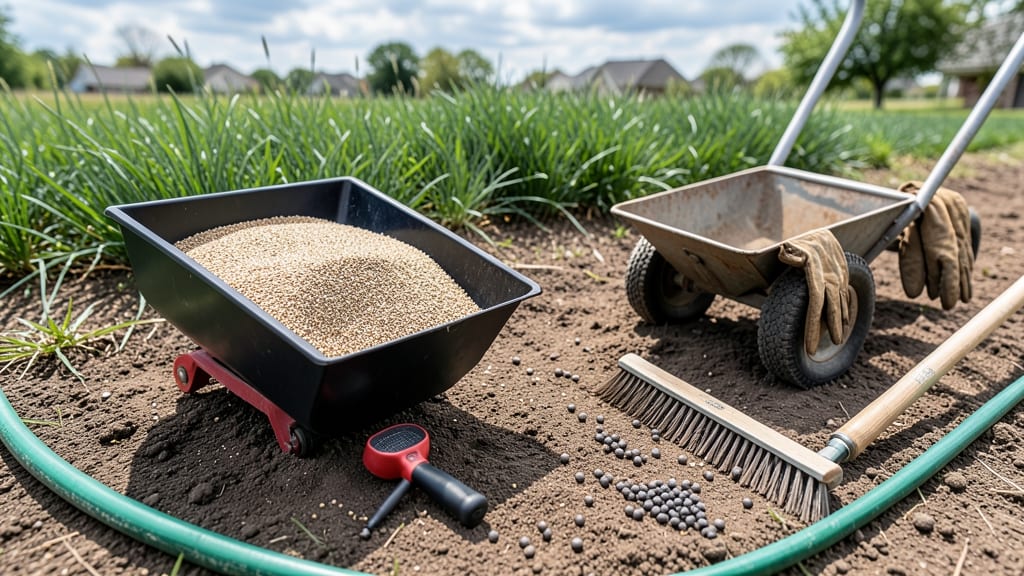
Fall is the secret weapon for a lawn that outlasts weeds and drought. 🌱 When you put grass seed down in fall, cooler temperatures help seeds germinate while weeds stay dormant, giving your new grass a head start before winter sets in.
The best time varies by region—aim for 4-6 weeks before your first frost, when soil stays warm enough to encourage root growth but nights cool down.
This window typically falls between mid-September and early November in most of the U.S., but check your local frost dates to time it perfectly. You’ll end up with a thicker, more resilient lawn next spring because fall seedlings focus energy on root development, not just leaf growth.
The result? Fewer bare spots, fewer weeds, and a lawn that handles summer heat like a pro. Here’s how to make it happen without the common pitfalls—like overwatering or planting too late. Let’s get started!
📚 In This Guide
- What you need
- Instructions
- Tips and common mistakes
- Wrapping up and next steps
What you need
- ● Grass seed: Choose a cool-season blend (e.g., Kentucky bluegrass, tall fescue, or perennial ryegrass) for your climate. Quantity: 5–10 lbs per 1,000 sq ft (follow seed package instructions for exact rates).
- ● Lawn rake: A bendable-tine rake (12–18 inches wide) to loosen soil and remove debris.
- ○ Broadcast spreader: A handheld or walk-behind model for even seed distribution (optional but highly recommended).
- ● Soil test kit: Check pH and nutrient levels (ideal range: 6.0–7.0). Adjust with lime or fertilizer if needed.
- ● Starter fertilizer: A low-nitrogen, high-phosphorus blend (e.g., 10-20-10 ratio) to promote root growth. Quantity: 1 lb per 100 sq ft.
- ● Water source: A hose with a gentle spray nozzle or sprinkler system for consistent moisture.
- ○ Weed barrier cloth (optional but helpful): Lay down landscape fabric in bare spots to block weeds before seeding.
- ● Seed germination mat: Protects newly seeded areas from birds and erosion (especially for slopes).
- ● Soil conditioner: Compost or peat moss to improve soil texture in compacted areas.
- ● Post-emergent herbicide: Spot-treat weeds before seeding (avoid pre-emergent—it kills grass seed too!).
- ● Lawn roller: Lightly press seed into soil (10–15 lbs pressure) for better soil contact.
- ● Garden gloves: Save your hands from prickly debris and sharp tools!
Instructions for planting fall grass seed like a pro
Fall is the perfect time to grow a thick, weed-resistant lawn—here's how to do it right.
🪴 Step 1: Prep the Soil for Maximum Seed Contact
Start by mowing your lawn as short as possible—about 1 inch—to create space for new grass to establish. This also helps sunlight reach the soil, encouraging germination. After mowing, use a rake to remove any debris, rocks, or dead grass clumps. The goal is bare soil with just a few existing grass blades remaining.
Next, aerate the lawn using a core aerator. This pulls small plugs of soil from the ground, creating holes about 2-3 inches deep. These holes let grass seeds settle directly into the soil where roots can grow without competition. If you don’t have an aerator, rent one or use a garden fork to poke holes manually. Focus on areas with heavy foot traffic or compacted soil first—they need the most help.
🌱 Step 2: Spread Grass Seed Evenly for Uniform Growth
Choose a cool, overcast day to sow your seed—this prevents it from drying out too quickly. Start by dividing your lawn into sections (like quadrants) to avoid missing spots. Use a broadcast spreader for large areas or a hand-held spreader for smaller patches. Walk slowly, overlapping passes slightly to ensure even coverage. For a 4,000-square-foot lawn, you’ll need about 8-12 pounds of seed, depending on the type.
After spreading, lightly rake the area with a stiff-bristled rake to press the seed into the soil without burying it. Seed needs light to germinate, so only cover it with a thin layer of soil or compost. If you’re seeding bare spots, mix a small amount of seed with sand first—this helps distribute it more evenly and prevents clumping.
💧 Step 3: Water Consistently to Encourage Germination
Water immediately after seeding to settle the soil and activate the seed. For the first 2 weeks, keep the soil moist but not soggy—water lightly 2-3 times daily for about 10-15 minutes each time. You’ll know you’re doing it right when the top ½ inch of soil stays damp but doesn’t form puddles. Overwatering can wash away seed or cause rot, while underwatering leaves seeds dry and dormant.
Once the grass reaches 2-3 inches tall, reduce watering to 1 inch per week, including rainfall. This encourages deeper root growth. Avoid walking on the new grass until it’s 3-4 inches tall and firmly rooted—this prevents damage to tender seedlings. If your lawn has bare patches after germination, sprinkle a little extra seed and water gently to fill them in.
✂️ Step 4: Maintain and Protect New Growth
Wait until the new grass reaches 3-4 inches tall before your first mow. Set your mower blade to 3 inches to avoid cutting the grass too short, which stresses young roots. Mow when the grass is dry to prevent clumping and disease. Remove no more than ⅓ of the blade height at each mowing—this keeps the grass healthy without shocking it.
Fertilize lightly 6-8 weeks after seeding with a slow-release, low-nitrogen fertilizer (look for a ratio like 24-0-4 or 20-0-10). This supports root development without promoting rapid top growth, which can weaken new grass. Avoid high-nitrogen fertilizers—they encourage leafy growth at the expense of roots, making your lawn vulnerable to drought and weeds.
🌿 Step 5: Plan for Winter Care and Spring Transition
As temperatures drop below 40°F at night, reduce watering but keep the soil from drying out completely. Grass goes dormant in winter, so it won’t need as much moisture, but a light ½ inch of water per week prevents stress. Avoid fertilizing in late fall—it can encourage late-season growth that’s susceptible to frost damage.
In early spring, remove any thatch (the layer of dead grass and roots between soil and green blades) by dethatching if it’s thicker than ½ inch. This improves airflow and water absorption. Once new growth appears, mow regularly to maintain 3-4 inches height and apply a balanced fertilizer (like 16-4-8) to support strong recovery. By next fall, your lawn will be thick, weed-resistant, and ready for another round of seeding.
Tips & tricks for perfect fall grass seed planting
Fall lawn seeding is all about timing and technique—here's how to avoid the most common pitfalls and get professional results.
Timing Secret: The ideal window for fall seeding is between late August and early October, when soil temperatures stay above 60°F but nights begin cooling. This gives seeds time to germinate before winter dormancy. If you miss this window, wait until early spring—but fall seedlings have a head start on weeds and establish deeper roots before frost.
Equipment Upgrade: Renting a core aerator makes all the difference in Step 1. The 2-3 inch deep holes create perfect pockets for seeds to settle directly into moist soil. If you're using a garden fork instead, space the holes about 3-4 inches apart in a grid pattern. Pro tip: Aerate when the soil is slightly damp—not muddy—to prevent compaction around the holes.
Watering Watch: During those critical first 2 weeks in Step 3, check soil moisture by grabbing a handful—it should crumble when squeezed but not fall apart. Early morning watering (before 9 AM) prevents evaporation and fungal growth. If rain is forecast, you can skip a watering day, but keep that top ½ inch consistently damp. Overwatering is just as damaging as underwatering at this stage.
Mowing Matters: When you reach Step 4 and your grass hits 3-4 inches, set your mower blade to its highest setting. The ⅓ rule (never removing more than one-third of the blade height) prevents stress. I always mow when the grass is dry—wet clippings can clump and smother new growth. Bag your clippings the first few times to avoid spreading seed around unevenly.
Pro Tips for Putting Grass Seed Down In Fall
- Fall lawn seeding is all about timing and technique—here's how to avoid the most common pitfalls and get professional results.
- Timing Secret: The ideal window for fall seeding is between late August and early October, when soil temperatures stay above 60°F but nights begin cooling.
- Equipment Upgrade: Renting a core aerator makes all the difference in Step 1.
Frequently asked questions
Got questions about timing, prep, or troubleshooting your fall grass seeding? Here are the answers to the most common concerns—so you can plant with confidence!
Why is fall the best time to plant grass seed?
Fall offers cooler temps, consistent moisture, and fewer weeds—perfect for seed germination. The soil stays warm enough (60–75°F) for growth while avoiding summer heat stress or winter dormancy. Plus, seedlings establish roots before frost, giving them a head start in spring!
How soon after seeding can I expect to see grass?
Germination time varies by grass type (cool-season seeds sprout in 7–21 days), but don’t rush! Lightly water daily to keep soil moist. Avoid walking on new grass until it’s 3–4 inches tall—patience pays off for a thicker lawn.
Can I overseed an existing lawn in fall?
Overseeding fills thin spots and boosts density. Mow your lawn short (1–1.5 inches), rake to loosen soil, and spread seed evenly. Water lightly twice daily until germination. For best results, use a weed-resistant blend to crowd out invaders.
What if weeds pop up after seeding?
Weeds are normal early on, but pre-emergent herbicides can wait until after germination. Hand-pull stubborn weeds or spot-treat with vinegar (mix 1 gallon water + 1 cup vinegar) for organic control. A thick, healthy lawn will naturally outcompete weeds over time!
Will frost hurt newly seeded grass?
Light frost is usually fine, but hard freezes (below 20°F) can damage tender seedlings. Use a light straw mulch (¼ inch) for insulation, and avoid watering right before a freeze. Most grass recovers once temps rise—just keep an eye on it!
Wrapping up and next steps
Fall is the perfect time to sow weed-resistant grass seed—cooler temps, fewer pests, and ideal moisture set the stage for a lush, healthy lawn.
By following these steps, you’ll establish deep roots before winter, giving your yard a head start in spring. Don’t wait! Grab your supplies, prep your soil, and get planting before frost hits.
Ready to take the next step? Test your soil (if you haven’t already) and pick the right seed blend for your climate. Then, mark your calendar for early fall—your future lawn will thank you! 🌱