
Lawn
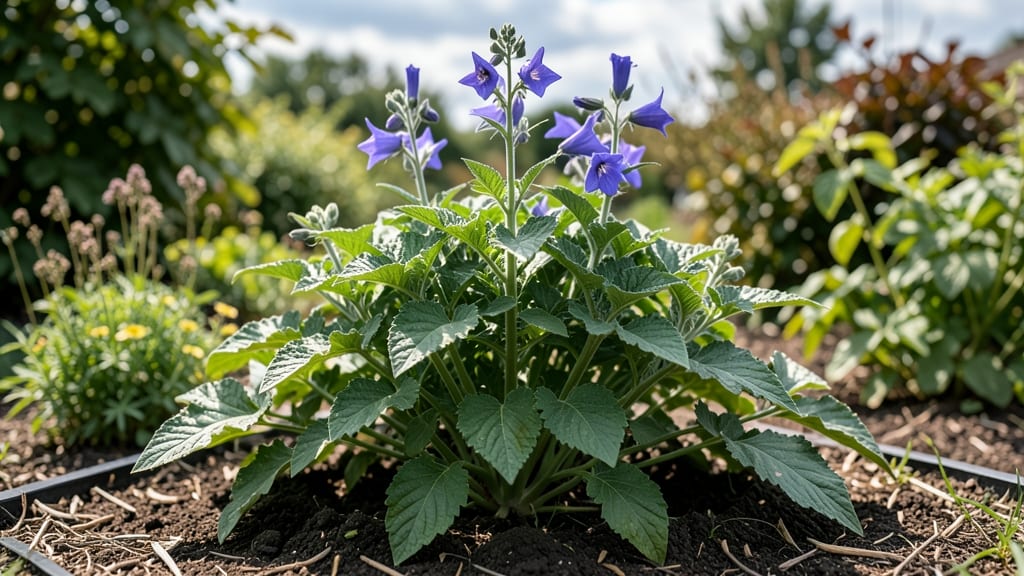
Growing Purple Viking seed potatoes transforms your garden into a deep purple edible landscape. 🌱 These cold-hardy tubers thrive in cooler climates, producing vibrant purple flesh that cooks up with a nutty flavor—far superior to store-bought spuds.
The secret lies in starting them early, even before last frost, to establish strong roots before the heat arrives.
You’ll need a sunny spot with well-draining soil, seed potatoes cut into 2-ounce pieces with at least one "eye," and a 4-6 week head start indoors or in a cold frame.
Plant them 4 inches deep, spacing rows 3 feet apart—this gives them room to spread and store energy in those signature purple tubers. Water consistently but avoid soggy soil, which invites rot.
By midsummer, you’ll harvest 2-3 pounds per plant, with skin that ranges from copper to deep purple. The cold-start method ensures they bolt to maturity faster, even in short-season zones. Store them in a cool, dark place for months—they’ll keep better than grocery store potatoes.
Watch for Colorado potato beetles and blight; row covers and copper spray are your best defenses. Purple Vikings are disease-resistant, but early prevention saves headaches. With this method, you’ll grow potatoes that outperform commercial varieties in both yield and flavor.
📚 In This Guide
- What you need
- Instructions
- Tips and common mistakes
- Wrapping up and next steps
What you need
- ● Purple Viking seed potatoes: 10–15 small (new, unsprayed) tubers (or 2–3 larger ones, cut into 2-inch chunks with at least 2–3 "eyes" per piece).
- ● Growing containers or bags: 5-gallon buckets, fabric grow bags, or 12-inch-deep pots (with drainage holes) – 1 per tuber/chunk.
- ● Potting mix: High-quality, well-draining organic mix (avoid garden soil). 1–2 cubic feet per container.
- ● Cold frame or insulated box: A sturdy, clear-lidded container (e.g., plastic storage tote with a plexiglass lid) to mimic winter conditions. Must fit all containers snugly.
- ● Watering can or hose: With a gentle spray nozzle for moisture control.
- ● Plant labels: Waterproof markers to track varieties.
- ● Slow-release fertilizer (e.g., 5-10-10 or organic options like worm castings).
- ● Thermometer to monitor soil temps (aim for 35–45°F during chilling).
- ● Grow lights (if starting indoors before last frost).
- ● Compost or aged manure for nutrient boost post-chilling.
- ● Mulch (straw or shredded leaves) to retain moisture after transplanting.
How to grow purple Viking seed potatoes using the cold-start method
This chilling method jump-starts growth and prevents common potato diseases—ideal for gardeners who want strong, early yields.
🌱 Step 1: Chill Seed Potatoes for 4-6 Weeks
Place whole, uncut Purple Viking seed potatoes in a paper bag and refrigerate for 4-6 weeks. The cold exposure mimics winter dormancy and triggers early sprouting. Check weekly—you'll see 2-3 inch sprouts emerging from the eyes (the dimpled areas) after about 3 weeks.
I like to store them in the crisper drawer where humidity stays consistent. Avoid freezing temperatures—below 35°F damages the tubers. Once sprouts reach ½ inch long, they're ready for planting. This cold-start method gives you a 2-3 week head start over traditional planting.
🪴 Step 2: Choose Containers or Garden Beds
For containers, use 5-gallon buckets or fabric grow bags with drainage holes. Fill with loose, well-draining soil mix (equal parts potting soil and compost). In garden beds, select a spot with 6+ hours of sunlight and dig in 2 inches of compost before planting.
Purple Vikings need 12-18 inches of soil depth to grow properly. If using containers, place a 4-inch layer of straw or cardboard at the bottom to prevent root binding. The key here is avoiding compacted soil—their roots grow deep and need room to spread.
☀️ Step 3: Plant Sprouted Potatoes 4-6 Inches Deep
Plant each chilled seed potato with 3-4 sprouts facing upward, covering them with 4-6 inches of soil. Space plants 12-15 inches apart in rows 24 inches apart for proper airflow. Water immediately after planting to settle the soil and remove any air pockets around the tubers.
Here's the thing—don't bury them too shallow. The sprouts need to stay covered until they reach 6 inches tall. As they grow, gently mound soil around the stems to encourage more tuber formation. You'll see new growth emerge within 10-14 days if conditions are right.
💧 Step 4: Water and Fertilize for Strong Growth
Keep soil consistently moist but never soggy—1 inch of water weekly is ideal. Purple Vikings are drought-tolerant once established, but young plants need steady moisture. Water at the base to avoid wetting foliage, which reduces disease risk. You'll know moisture is right when the top 2 inches of soil feel damp but not wet.
Fertilize when plants reach 6 inches tall with a balanced 10-10-10 fertilizer or compost tea. I like to side-dress with compost every 4-6 weeks to avoid over-fertilizing. Too much nitrogen leads to leafy growth at the expense of tuber development—what you want are healthy stems and deep roots.
✂️ Step 5: Hill Soil and Harvest at Maturity
When plants reach 12 inches tall, mound soil around the stems up to the leaves. Repeat this every 2-3 weeks to encourage more tuber formation. Purple Vikings mature in 90-120 days, so mark your planting date. You'll know they're ready when the flowers fade and leaves yellow.
To harvest, carefully dig around the plant with a fork, lifting tubers gently to avoid bruising. Cure them in a dark, 50-60°F space for 1-2 weeks to develop their signature purple skin. Store in a cool, 40-45°F place for long-term keeping. This method gives you 4-5 pounds of potatoes per plant—plenty for a family!
Tips & tricks for perfect purple Viking seed potatoes
The cold-start method transforms ordinary seed potatoes into vigorous, disease-resistant plants—here's how to maximize every step.
Cold Exposure Strategy: The 4-6 week chilling period in Step 1 is where it all begins. I've found that storing potatoes in a paper bag inside the crisper drawer (around 35-40°F) creates ideal conditions for consistent sprouting. Avoid plastic bags—they trap moisture and can cause rot. Once sprouts reach ½ inch, they're primed for planting, but don't rush! The 2-3 week head start over traditional planting comes from this precise timing.
Soil Depth Matters: Step 2 emphasizes 12-18 inches of soil depth for those deep-growing Purple Vikings, but here's the secret: the 4-inch layer of straw or cardboard at the bottom isn't just for drainage—it creates an air pocket that prevents root binding. I've seen containers fail when gardeners skip this step, leading to stunted growth. For garden beds, amending with 2 inches of compost before planting gives you that perfect loose, well-draining mix right from the start.
Planting Precision: When planting in Step 3, position those 3-4 sprouts facing upward—this isn't just about aesthetics, it's about directing energy. The 4-6 inches of soil coverage might seem deep, but remember: you'll mound more soil as they grow. The critical part is keeping sprouts covered until plants reach 6 inches tall. This protects them from temperature swings and prevents premature exposure to light, which can cause greening.
Pro Tips for Purple Viking Seed Potatoes
- The cold-start method transforms ordinary seed potatoes into vigorous, disease-resistant plants—here's how to maximize every step.
- Cold Exposure Strategy: The 4-6 week chilling period in Step 1 is where it all begins.
- I've seen containers fail when gardeners skip this step, leading to stunted growth.
Frequently asked questions
Got questions about growing Purple Viking seed potatoes for lush lawn roots? You’re not alone!
Here are answers to the most common queries to help you succeed—whether you're a first-timer or a seasoned gardener looking for pro tips.
How deep should I plant Purple Viking seed potatoes for lawn roots?
Plant them 4–6 inches deep, spacing rows 12–18 inches apart. Since these potatoes are bred for vigorous root systems, deeper planting encourages stronger, more fibrous roots—ideal for lawn health. Use the cold-start method (chilling seeds for 1–2 weeks) to jumpstart growth before planting!
When is the best time to harvest Purple Viking potatoes for lawn use?
For young, fibrous roots (perfect for lawn reinforcement), harvest 6–8 weeks after sprouting. Wait until foliage yellows slightly for mature tubers, but for lawn applications, earlier harvesting ensures tender, nutrient-rich roots. Dig gently with a fork to avoid damaging the delicate root network.
Can I grow Purple Viking potatoes in cold climates?
Absolutely!
These potatoes thrive in cooler temps (40–65°F) and are perfect for early spring or fall planting. Start seeds indoors 4–6 weeks before last frost, then transplant outdoors. Their cold-hardy nature makes them a great choice for northern lawns—just cover with mulch if frost threatens after planting.
What if my Purple Viking potatoes sprout but don’t produce roots?
Check for three common issues:
- Poor drainage: Roots need oxygen—amend heavy soil with compost.
- Overwatering: Keep soil moist but not soggy; roots rot in waterlogged conditions.
- Low nutrients: Feed with a balanced fertilizer (10-10-10) at planting and mid-growth.
Are Purple Viking potatoes safe for pets if used in lawns?
Yes! Once fully grown and cooked, Purple Viking potatoes are non-toxic for pets. However, raw potato leaves and green skin contain solanine, which can upset pets’ stomachs. If using chopped roots for lawn soil amendments, ensure they’re well-decomposed or cooked first to remove any risk.
Wrapping up and next steps
Growing Purple Viking seed potatoes using the cold-start method is a fantastic way to kickstart your lawn’s root system with hardy, nutrient-rich tubers! Their deep purple hues aren’t just stunning—they’re packed with antioxidants and resilience, perfect for thriving in cooler climates.
Whether you’re a seasoned gardener or a curious beginner, this method simplifies the process while delivering serious results. 🌱
Now that you’re armed with the know-how, why not take the next step? Grab those chit potatoes, prep your soil, and watch your lawn transform into a lush, vibrant space. Happy planting—your future garden will thank you! 🚜✨