
Lawn
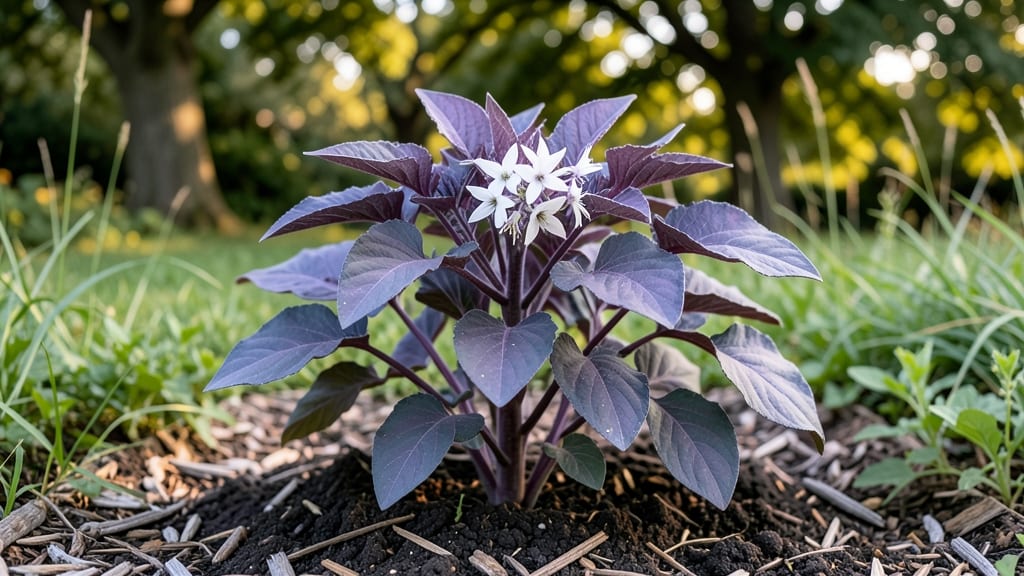
Growing purple seed potatoes brings a showstopper to your garden—vibrant purple flesh that turns every dish into a work of art. 🌱 These aren’t just pretty; they’re packed with antioxidants and a nutty, earthy flavor that elevates mashed potatoes, roasted wedges, or even salads.
The secret to success starts with the right soil, planting depth, and a little patience for those striking tubers to develop.
You’ll need loose, well-draining soil rich in organic matter—think compost or aged manure—to help those deep purple tubers form without cracking. Plant your seed potatoes 4 inches deep and 12 inches apart in rows spaced 3 feet apart for easy harvesting.
They crave full sun (6-8 hours daily) and consistent moisture, but avoid soggy soil—drainage is key to preventing rot.
By midsummer, you’ll see lush green foliage, but the real magic happens underground. When the tops die back (usually 90-120 days after planting), it’s time to harvest. The skin will be rough and papery, hiding those stunning purple gems inside.
Store them in a cool, dark place for 2-3 weeks to let the skins toughen up before cooking.
Pro tip: Rotate planting locations yearly to prevent disease, and watch for Colorado potato beetles—handpick them early for organic control. With the right care, you’ll end up with a harvest that’s as nutritious as it is beautiful. Ready to dig in?
📚 In This Guide
- What you need
- Instructions
- Tips and common mistakes
- Wrapping up and next steps
What you need
- ● Purple seed potatoes: 5–10 lbs (or 5–10 certified disease-free tubers, depending on variety). Look for purple-fleshed varieties like Violetta, Purple Majesty, or Adirondack Blue.
- ● Garden plot or containers: For in-ground planting: A sunny spot (6+ hours of sunlight daily) with well-draining soil (pH 5.0–6.5). Loosen soil to 12 inches deep.
- ● For containers: 5-gallon pots or larger (at least 12 inches deep) with drainage holes. Use a high-quality potting mix.
- ○ Compost or aged manure: 2–3 cups per planting hole (optional but recommended for nutrient boost).
- ○ Organic fertilizer (optional): Balanced 10-10-10 or potato-specific fertilizer (follow package instructions).
- ● Mulch: Straw, grass clippings, or leaves (2–3 inches) to retain moisture and suppress weeds.
- ● Hand trowel or garden fork (for cutting seed potatoes and planting).
- ● Garden gloves (to protect your hands from dirt and sharp edges).
- ● Watering can or hose with a gentle spray nozzle (avoid blasting soil).
- ● Pruners or sharp knife (for cutting seed potatoes, if needed).
- ○ Row marker or stakes (optional, for marking planting rows in large gardens).
- ● Timing: Start seed potatoes indoors 4–6 weeks before the last frost, or plant directly in the ground after soil reaches 45°F+.
- ○ Chitting (optional but helpful): Place seed potatoes in a bright, cool spot (50–60°F) for 2–4 weeks to sprout eyes (encourages faster growth).
- ● Disease prevention: Avoid planting in soil where tomatoes, peppers, or other nightshades grew recently (wait 3+ years). Rotate crops!
- ● Climate note: Purple potatoes thrive in cooler weather (60–75°F). In hot climates, provide afternoon shade.
Step-by-Step instructions for growing purple seed potatoes
Here’s my foolproof method for coaxing vibrant purple potatoes from seed—no store-bought tubers needed.
🌱 Step 1: Chit Your Seed Potatoes for Early Growth
Place your seed potatoes in a bright, cool spot (50-60°F) for 4-6 weeks before planting. I use egg cartons with each potato in a separate compartment, allowing light to reach the top. This process, called "chitting," encourages sprouts to form before soil planting. You’ll see tiny green shoots (1-2 inches long)—these are your signal that the potatoes are ready.
Keep them out of direct sun during this phase; too much heat will make the sprouts grow leggy and weak. A windowsill facing east or north works perfectly. If sprouts appear unevenly, rotate the potatoes weekly so all sides get equal light exposure. This ensures strong, uniform growth when you transplant.
🪴 Step 2: Prepare Beds and Plant Chitted Potatoes
Choose a sunny location with 6+ hours of direct light daily—purple potatoes thrive in full sun. Work in 2-3 inches of compost into the top 6 inches of soil to improve drainage and nutrient availability. Purple potatoes are particularly sensitive to soggy conditions, so avoid low spots where water pools.
Plant each chitted potato 4-6 inches deep, spacing them 12 inches apart in rows 3 feet apart. The sprouts should face upward, and I like to mound soil around the base to encourage root development. Water lightly after planting to settle the soil but avoid oversaturating—you want the soil to feel like a damp sponge, not a swamp.
☀️ Step 3: Hill Soil as Plants Grow for Stronger Tubers
When your potato plants reach 6-8 inches tall, mound soil around the stems up to the leaves, leaving just the top 2 inches exposed. This process, called "hilling," prevents sunlight from turning the tubers green and encourages more tuber formation underground. Repeat this every 2-3 weeks until the plants flower, adding soil until the mound reaches 8-12 inches high.
Water deeply once a week (or more in extreme heat) to keep the soil evenly moist but not waterlogged. Purple potatoes are drought-tolerant once established, but consistent moisture during the growing season prevents cracking and ensures vibrant color development. You’ll know you’re doing it right when the foliage stays lush and green without wilting.
✂️ Step 4: Harvest at Peak Maturity for Best Color and Flavor
Purple potatoes are ready to harvest 10-14 weeks after planting, when the foliage begins to yellow and die back naturally. Gently dig around the base of the plant with a fork or your hands, lifting the tubers carefully to avoid bruising. The skins will be rough and the flesh a deep, striking purple—this is your reward for patience.
Cure the harvest by storing the potatoes in a cool, dark place (50-60°F) with high humidity for 1-2 weeks. This allows the skins to toughen and the flavor to deepen. Avoid washing them before curing, as moisture can promote rot. Once cured, store in a breathable container (like a burlap sack) for long-term keeping.
Tips & tricks for perfect purple seed potatoes
Real talk: Purple potatoes are worth the extra effort, but a few small details make all the difference between good and showstopping harvests.
Temperature Matters: During the chitting phase in Step 1, maintain that 50-60°F range consistently. I've learned this the hard way—if your space gets too warm, those delicate sprouts will grow long and weak. A simple solution is to place your egg cartons on a tray of ice cubes in a cool closet if your kitchen runs hot. The goal is those 1-2 inch sprouts that look sturdy and ready for transplanting.
Soil Prep Strategy: In Step 2, don't skip the 2-3 inches of compost mixed into the top 6 inches of soil. Purple potatoes are particularly sensitive to soggy conditions, so if your garden tends to stay damp, consider building raised beds. The improved drainage prevents rot and helps develop that signature vibrant purple color. I've seen the difference—properly amended soil yields potatoes with deeper color and better texture.
Hilling Technique: When you reach Step 3 and it's time to hill, focus on leaving just the top 2 inches of stem exposed. This prevents greening while encouraging tuber formation underground. I like to hill every 2-3 weeks until the mound reaches 8-12 inches high—this creates the perfect environment for those beautiful purple tubers to develop. The key is patience; don't rush this process.
Harvest Timing: For the most vibrant purple flesh, harvest when the foliage naturally yellows and dies back between 10-14 weeks. Dig carefully to avoid bruising those delicate skins. I've found that harvesting at the right time makes all the difference in both color intensity and flavor. After harvesting, that 1-2 week curing period at 50-60°F with high humidity is crucial—it lets the skins toughen and flavors develop fully.
Pro Tips for Purple Seed Potatoes
- Real talk: Purple potatoes are worth the extra effort, but a few small details make all the difference between good a...
- Temperature Matters: During the chitting phase in Step 1, maintain that 50-60°F range consistently. I've learned this...
- Soil Prep Strategy: In Step 2, don't skip the 2-3 inches of compost mixed into the top 6 inches of soil. Purple potat...
Frequently asked questions
Got questions about growing purple seed potatoes?
You’re not alone! Here are answers to the most common ones—from planting to harvest—to help you grow vibrant, purple-fleshed spuds like a pro.
What’s the difference between purple seed potatoes and regular potatoes?
Purple seed potatoes are certified disease-free tubers (not grocery-store potatoes!) used to grow plants. Their flesh turns a stunning lavender-purple when cooked, while regular potatoes (like Russets or Yukons) have white or yellow flesh. The skin may also be purple, red, or even blue!
How long does it take for purple potatoes to mature?
Purple potatoes typically take 90–120 days to harvest, depending on the variety. Early varieties (like ‘Violetta’) may be ready in 70–80 days, while heirlooms like ‘Purple Majesty’ take closer to 4 months. Check your seed packet for exact timelines!
Can I grow purple potatoes in containers?
Purple potatoes thrive in containers if the pot is at least 12–18 inches deep and wide. Use well-draining soil, and harvest when tubers fill the space. Just avoid overcrowding—space plants 12–15 inches apart for best results.
Why aren’t my purple potatoes turning purple inside?
Purple flesh develops when tubers are exposed to light after harvest. If yours stay white, they may have been stored in the dark. Try curing them in sunlight for 1–2 days before cooking, or check if your variety is a light-sensitive type (like ‘Purple Peruvian’).
What’s the best way to cook purple potatoes?
Purple potatoes shine in dishes where their color stays vibrant! Try roasting with olive oil and rosemary, mashing with a splash of milk, or even making purple mashed potatoes (they turn a dreamy lavender!). Avoid boiling for too long—they’ll lose their color.
Pro Tip:
For extra antioxidants, leave the skin on! Purple potatoes contain anthocyanins, which give them their color and boost nutrition. Pair them with kale or beets for a superfood salad.
Wrapping up and next steps
Growing purple seed potatoes isn’t just about adding a pop of color to your garden—it’s about embracing uniqueness and sustainability! These vibrant tubers bring flavor, nutrition, and visual appeal that’ll make your harvest stand out.
Whether you’re a seasoned gardener or just starting, their hardiness and versatility make them a fantastic choice for any plot.
Ready to dive in? Start small this season—plant a few purple varieties alongside your favorites and watch your garden (and dinner table) transform! 🌱✨ Grab your seeds today and turn your green space into a showstopper!