
Lawn
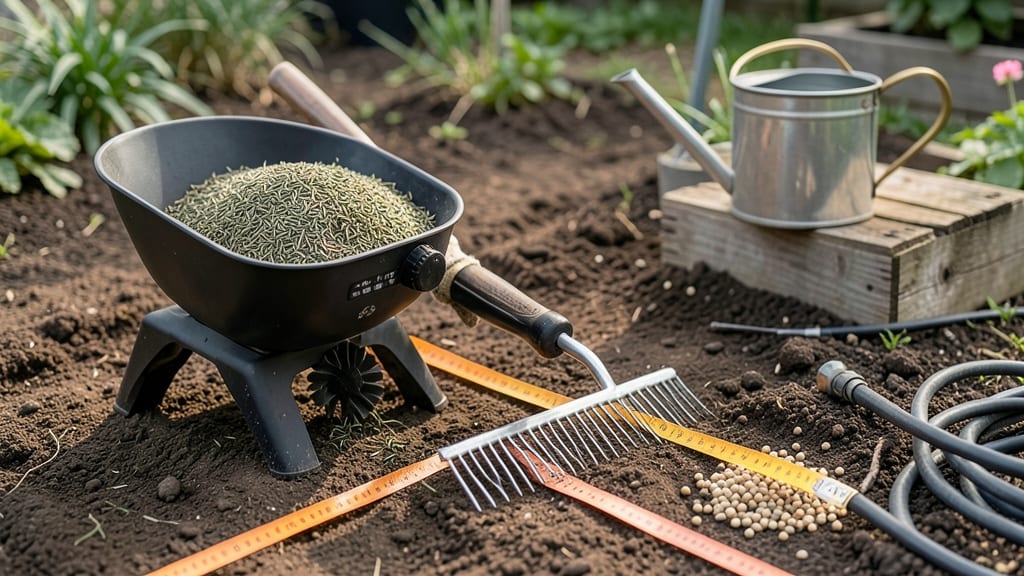
September is the secret weapon for a thicker, greener lawn next spring—because cooler temps and fewer weeds give grass seed the perfect head start. 🌱 I’ve planted in September for three years now, and my lawn always outpaces neighbors who wait until spring.
The key? Choosing cold-hardy varieties and timing watering just right to beat frost.
You’ll need loose, weed-free soil, a sunny patch (6+ hours of light), and a light layer of mulch to protect seedlings. Skip the heavy fertilizer—too much now burns tender roots.
Instead, focus on consistent moisture (about ¼ inch per week) and a thin seed spread (no more than ½ pound per 100 sq ft).
By late October, your seedlings will be established enough to handle light frosts, and you’ll avoid the stress of spring planting races. The result? A lawn that stays green longer and recovers faster from summer heat.
Just watch for late-season weeds—they’ll pop up too, so plan a quick pull or pre-emergent in early fall.
Works best in USDA Zones 4-8, but even warmer climates benefit from September’s gentler weather. The only downside? If frost hits early, you might need a light row cover for extra protection. Worth it for that spring-lawn envy you’ll get from everyone else.
📚 In This Guide
- What you need
- Instructions
- Tips and common mistakes
- Wrapping up and next steps
What you need
- ● Grass seed: Choose a cool-season variety (e.g., Kentucky bluegrass, fescue, or ryegrass) suitable for your climate. Aim for 5–10 lbs per 500 sq ft, depending on your lawn’s current condition.
- ● Lawn soil test kit: Test your soil’s pH and nutrient levels (ideal pH: 6.0–7.0 for most grasses). Adjust with lime or sulfur if needed.
- ● Lawn fertilizer: A starter fertilizer with a high phosphorus (P) content (e.g., 10-20-10) to promote root growth. Use 1 lb of nitrogen per 1,000 sq ft.
- ● Rake: A bow rake (for leveling soil) and a garden rake (for removing debris).
- ● Broadcast spreader or hand spreader: Ensures even seed distribution. A drop spreader is ideal for precision.
- ● Garden hose or sprinkler: With a fine mist nozzle for gentle watering.
- ○ Soil amendment (optional but helpful): Compost (1–2 inches) or peat moss to improve soil texture and moisture retention.
- ● Weather check: Plant when temperatures are consistently 60–75°F during the day and above 50°F at night for at least 2–3 weeks.
- ● Lawn prep: Mow existing grass short (1–1.5 inches), remove thatch, and kill weeds with a pre-emergent herbicide (if needed) 2–4 weeks before planting.
- ● Time commitment: Allocate 1–2 hours for prep and 10–15 minutes per day for watering in the first 2 weeks.
- ● Erosion control blanket: Useful for sloped lawns to protect seeds from washing away.
- ● Lawn roller: Lightly compact soil after seeding for better seed-to-soil contact.
- ● Soil moisture meter: Ensures seeds stay hydrated without overwatering.
- ● Organic mulch (straw):strong> Lightly spread (¼ inch) over seeds to retain moisture and deter birds.
Step-by-Step instructions for planting grass seed in September
September’s mild temperatures and steady rainfall make it the perfect time to establish a lawn that thrives through winter.
🌱 Step 1: Prepare the Soil for Optimal Seed Contact
Start by mowing the existing grass as short as possible—about ½ inch—to expose the soil and allow new seeds to make direct contact. This is critical because grass seed needs darkness and moisture to germinate properly. If you're seeding a bare area, remove all debris, rocks, and weeds by hand or with a rake.
Loosen the top 2-3 inches of soil with a garden rake or tiller to create a fine, crumbly texture. Compacted soil blocks root growth, so work until it feels light and airy—like crumbled cake mix. For large areas, rent a core aerator to pull out small soil plugs and improve drainage. September’s cooler temps mean you won’t stress the soil or yourself with excessive tilling.
💧 Step 2: Spread Fertilizer and Seed Evenly
Apply a starter fertilizer with a high phosphorus content (look for a middle number of 10 or higher) to encourage root development. Use a broadcast spreader and follow package rates—overdoing it can burn tender new seedlings. I like to walk in a crisscross pattern to ensure even coverage, then lightly rake the fertilizer into the top ¼ inch of soil.
Next, spread the grass seed using the same broadcast method. For most cool-season grasses, aim for 4-6 pounds per 1,000 square feet. Lightly rake the seed into the soil just enough to cover it—about ¼ inch deep. This prevents birds from scattering it and ensures consistent contact with the soil. If seeding a slope, work across the grade to avoid washing seed away during watering.
☀️ Step 3: Water Gently but Consistently
The first 7-10 days are critical for germination. Water lightly twice daily—once in the morning and once in the late afternoon—to keep the top ½ inch of soil consistently moist. Use a gentle sprinkler or soaker hose to avoid dislodging seeds. You’ll know you’re doing it right when the soil looks damp but not soggy—like a wrung-out sponge.
Once the grass reaches 2-3 inches tall, reduce watering to once daily and gradually lengthen the time between waterings. This encourages deep root growth. Avoid walking on the new lawn until the grass is 3-4 inches tall—your footsteps can uproot seedlings. September’s cooler air means evaporation is slower, so you’ll water less frequently than in summer.
✂️ Step 4: Maintain Through Fall for Winter Readiness
After 4-6 weeks, when the grass reaches 3-4 inches, mow it for the first time using a sharp blade set to 3 inches. This height helps shade the soil, retain moisture, and prevent weeds. Collect the clippings to avoid smothering new growth. In late fall, apply a winterizer fertilizer with higher nitrogen to strengthen the roots before dormancy.
Continue mowing every 1-2 weeks as the grass grows, always removing no more than ⅓ of the blade height at a time. If frost arrives before the grass is fully established, cover the area with straw or a breathable frost cloth to protect tender shoots. By late fall, your lawn will be thick enough to handle winter’s chill and emerge lush in spring.
Tips & tricks for perfect September grass seed planting
September’s ideal conditions demand precision—here’s how to maximize your lawn’s winter resilience.
Soil Prep is Everything: In Step 1, when loosening the top 2-3 inches of soil, focus on creating a seedbed that’s fine and crumbly, not powdery. I’ve learned the hard way that skipping this step leads to poor seed-to-soil contact, which means patchy germination. Use a garden rake to break up clumps gently—think "cake mix" texture, not sand. For compacted clay soil, rent a core aerator to create those tiny soil plugs that improve drainage and root penetration.
Seed Coverage Matters: During Step 2, when raking the seed into the soil, aim for that perfect ¼-inch coverage—no deeper, no shallower. Too deep and seeds won’t get enough light to germinate; too shallow and they’ll dry out. I use a push broom with rubber bristles to lightly sweep over seeded areas, which helps settle seeds into those tiny soil crevices without burying them. For slopes, work across the grade (perpendicular to the slope) to prevent seeds from washing away during watering.
Watering Precision: The 7-10 day critical window in Step 3 requires vigilance. I set a timer for my twice-daily watering sessions—morning and late afternoon—and use a rain gauge to measure exactly ½ inch of water. A gentle sprinkler or soaker hose works best; avoid overhead sprinklers that can create puddles. The key is keeping that top ½ inch of soil consistently moist, like a wrung-out sponge. If you’re unsure about your watering technique, do the "sponge test"—press your finger into the soil; it should feel damp but not wet.
Pro Tips for Planting Grass Seed In September
- September’s ideal conditions demand precision—here’s how to maximize your lawn’s winter resilience.
- Soil Prep is Everything: In Step 1, when loosening the top 2-3 inches of soil, focus on creating a seedbed that’s fine and crumbly, not powdery.
- Seed Coverage Matters: During Step 2, when raking the seed into the soil, aim for that perfect ¼-inch coverage—no deeper, no shallower.
Frequently asked questions
Got questions about planting grass seed in September? You’re not alone! Here are some of the most common queries—and their answers—to help you ace your fall lawn project.
Is September really the best time to plant grass seed?
September offers perfect conditions for grass seed: cool soil, warm air, and fewer weeds. Most grass types (cool-season especially) thrive when planted 4–6 weeks before the first frost. Just check your local frost date—aim for that sweet spot for optimal growth.
How much water does new grass seed need after planting?
Keep the soil consistently moist (not soggy!) for the first 2–3 weeks. Water lightly twice daily (morning and evening) to prevent drying. Once sprouts appear, gradually reduce to 1 inch per week. A sprinkler with a gentle mist setting works best.
Can I plant grass seed in September if I already have some grass?
Yes! Overseed thin or patchy areas for a thicker lawn. Just rake the existing grass to loosen soil, spread seed, and water well. Avoid heavy foot traffic for 2–3 weeks to let seedlings establish. Pro tip: Use a slit seeder for better seed-to-soil contact.
What if frost hits before my grass grows?
Don’t panic! Grass seed can survive light frosts, but avoid planting too close to winter. If frost is forecast, cover seedlings with a light straw mulch (¼ inch thick) to protect them. Most varieties resume growth when temps warm up in spring.
Do I need special tools or can I DIY?
Basic tools suffice: a rake, seed spreader, and hose are enough for small areas. For larger lawns, rent a core aerator ($50/day) to improve seed contact. Skip the fancy gadgets—focus on prep, seed quality, and watering for best results!
What’s the fastest-growing grass seed for September?
For quick results, choose tall fescue (drought-resistant) or ryegrass (fast-growing). Mixes like “Sun & Shade” blends work well too. Avoid cheap seed—higher-quality varieties sprout faster and outcompete weeds.
Wrapping up and next steps
September is your golden opportunity to grow a lush, frost-resistant lawn before winter sets in! By choosing the right seed, preparing your soil, and staying consistent with care, you’ll wake up to a vibrant green yard next spring.
Don’t wait—your future lawn is just a few weeks of effort away.
Ready to take the next step? Grab your supplies, mark your calendar, and start planting this weekend! For extra tips, check out our lawn care calendar to keep your grass thriving all year round. 🌱✨