
Lawn
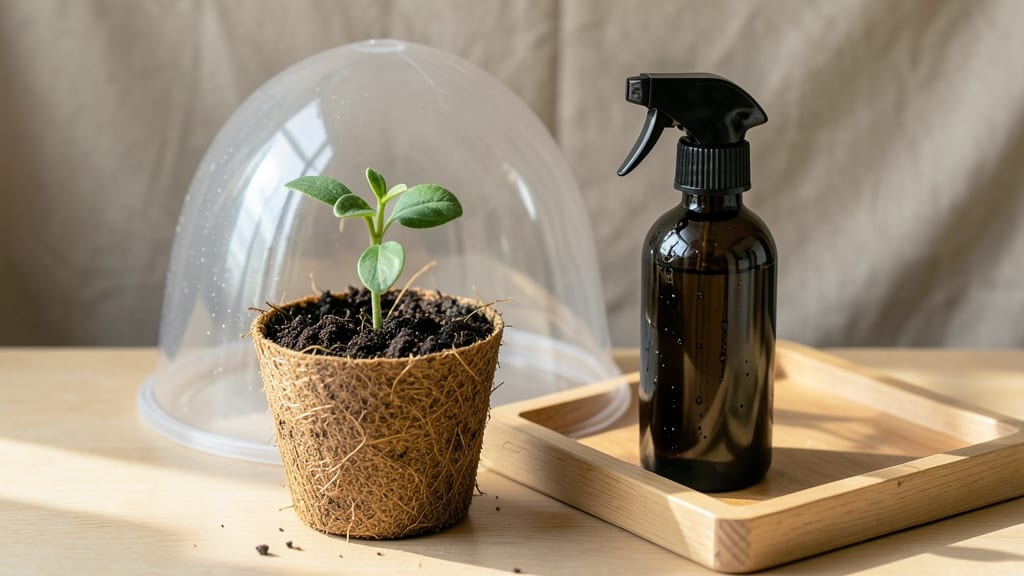
Breaking persimmon seed dormancy in winter means fast germination come spring. 🌱 I learned the hard way that skipping this step leaves you waiting months for sprouts—or none at all. The secret lies in mimicking nature’s freeze-thaw cycle, which softens the seed coat and kickstarts growth.
All you need is a plastic bag, some damp paper towels, and a fridge. No fancy equipment, just patience and a little science. The process takes about 6-8 weeks, but it’s worth it for those sweet, sun-dappled persimmon trees.
I’ve had seeds sprout within days of planting after proper stratification.
By spring, you’ll watch tiny green shoots push through the soil, ready to grow into sturdy saplings. The key is keeping seeds moist but not soggy—think of it like a damp winter’s day in the forest floor. No more guessing when (or if) your seeds will wake up.
Works for both American and Asian persimmons, and adapts easily to small spaces. Here’s how to do it right the first time—no more wasted seeds or disappointed gardeners.
📚 In This Guide
- What you need
- Instructions
- Tips and common mistakes
- Wrapping up and next steps
What you need
- ● Persimmon seeds: 10–20 fresh, plump seeds (harvested from ripe, fully-colored persimmons). Pro tip: 💡 Save seeds from organic or seed-saved fruit for best results.
- ● Cold stratification supplies: 1 small container (e.g., plastic bag, paper towel-lined jar, or seedling tray with drainage holes).
- ● Moist peat moss, sphagnum moss, or paper towels (enough to fully submerge seeds).
- ○ Optional: Vermiculite or perlite (1 part) mixed with peat moss (3 parts) for better aeration.
- ● Refrigeration: Access to a fridge (34–40°F / 1–4°C) for 60–90 days of cold treatment.
- ○ Warmth for germination: A sunny windowsill (60–75°F / 15–24°C) or a seedling heat mat (optional but helpful).
- ● Spray bottle (for keeping moss/paper towels evenly moist).
- ● Plastic wrap (to seal containers and retain humidity).
- ● Small fan (to prevent mold if using a sealed container).
- ● Planting pots (2–3 inch pots) filled with well-draining potting mix (e.g., 60% peat, 30% perlite, 10% compost).
- ● Labeling tags (to track seed varieties and planting dates).
- ● Humidity dome or clear plastic lid (for post-stratification germination).
Step-by-Step instructions for breaking persimmon seed dormancy
Here's my foolproof method to get those stubborn persimmon seeds sprouting reliably—no more waiting months for luck to kick in.
🌱 Step 1: Extract and Clean the Seeds
Cut open a ripe persimmon and scoop out the seeds, then rinse them thoroughly under cool water to remove any pulp clinging to the surface. I like to spread them on a paper towel to air-dry completely—this prevents mold from forming later. The seeds should feel dry to the touch but not brittle.
Once dry, store them in a paper envelope in a cool, dark place for 2-3 weeks. This mimics natural winter conditions and helps soften the seed coat. Don't skip this step—skipping it means waiting months for germination, if it happens at all.
⏰ Step 2: Stratify for Cold Moisture Treatment
After drying, place the seeds in a plastic bag with a damp paper towel. Seal it loosely so air can circulate but moisture stays trapped. Put the bag in your refrigerator's crisper drawer for 6-8 weeks—this cold, moist stratification breaks dormancy. Check the towel every 2 weeks and mist it if it dries out.
You'll know stratification worked when the seed coat softens enough to pierce with your thumbnail. If it still feels hard, give it another 2 weeks. I've found that persimmon seeds need this cold treatment to germinate reliably—skipping it means waiting for nature to do it slowly.
☀️ Step 3: Sow in Warm, Moist Soil
Fill a small pot with well-draining potting mix and plant the stratified seeds ½ inch deep, spacing them 1 inch apart. Water gently until the soil feels evenly moist but not soggy. Place the pot in a warm spot—70-75°F—like on top of your fridge or near a sunny window.
Keep the soil consistently moist (not wet) and expect sprouts in 2-4 weeks. If the soil dries out completely, germination slows dramatically. You'll see the first tiny leaves push through the soil—this is your signal that the seeds have finally broken dormancy.
🌿 Step 4: Provide Light and Care for Seedlings
Once sprouts appear, move the pot to bright, indirect light for the first week to prevent leggy growth. After that, gradually introduce 4-6 hours of direct sunlight daily. Persimmon seedlings are sensitive to transplant shock, so avoid disturbing them until they have 3-4 true leaves.
Water when the top inch of soil feels dry, but don't let the soil stay soggy—root rot is the biggest threat at this stage. You'll notice the seedlings develop thick, glossy leaves, which means they're thriving. This is the moment they're ready for their next growing phase.
Tips & tricks for fast persimmon seed germination
These little tricks will help you beat the natural dormancy cycle and get those persimmon seeds sprouting in record time.
Timing Secret: The 2-3 weeks of initial drying in Step 1 isn't just about removing moisture—it's about mimicking the natural drying period persimmon seeds experience in autumn. I've found that skipping this step completely throws off the germination timeline, often delaying sprouts by 4-6 weeks. Think of it as a pre-winter conditioning phase that prepares the seeds for their cold treatment.
Stratification Hack: During the 6-8 weeks of cold stratification in Step 2, place a small piece of chalk inside the plastic bag with your seeds. This creates a simple moisture indicator—when the chalk turns gray, it's time to mist the towel again. I've used this trick for years and it eliminates the guesswork of checking every 2 weeks. The goal is to keep that towel consistently damp but never soggy, which is the sweet spot for breaking dormancy.
Soil Prep Tip: For Step 3, don't just use any potting mix—look for one labeled "seed starting mix" which contains finer particles and better moisture retention. I like to mix in a tablespoon of perlite per quart of mix to improve drainage while maintaining that perfect moist environment. This prevents the soil from becoming compacted when you water, which can suffocate young roots before they even emerge.
Pro Tips for Persimmon Seed Winter
- These little tricks will help you beat the natural dormancy cycle and get those persimmon seeds sprouting in record time.
- Timing Secret: The 2-3 weeks of initial drying in Step 1 isn't just about removing moisture—it's about mimicking the natural drying period persimmon seeds experience in autumn.
- Stratification Hack: During the 6-8 weeks of cold stratification in Step 2, place a small piece of chalk inside the plastic bag with your seeds.
Frequently asked questions
Got questions about breaking dormancy in persimmon seeds during winter? You’re not alone! Here are some of the most common queries—plus straightforward answers to help you succeed.
Why won’t my persimmon seeds germinate in winter?
Persimmon seeds have a natural dormancy that requires cold stratification (mimicking winter) to break. If you’ve planted them without chilling (e.g., 4–8 weeks in a damp paper towel in the fridge), they may still be “sleeping.” Try extending the cold treatment or check for rotten seeds—they won’t sprout!
How long does cold stratification take for persimmon seeds?
Most persimmon seeds need 6–12 weeks of cold stratification at 34–40°F (1–4°C). Start this process in late fall (October/November) for spring planting. Patience is key—rushing can lead to mold or failed germination.
Can I stratify persimmon seeds outside in winter?
Yes! Bury seeds 6–8 inches deep in a protected spot (like a garden bed under mulch or a shaded container) during winter. The natural freeze-thaw cycles will do the work for you. Just ensure they’re in well-draining soil to avoid rot.
What if my seeds sprout too early in winter?
If seedlings emerge before spring, they’ll likely freeze or struggle. To delay sprouting, keep seeds in a dry, cool place (like a seed fridge) until soil temps rise above 50°F (10°C). Alternatively, plant in containers indoors under grow lights until transplanting.
Are there faster alternatives to cold stratification?
While cold stratification is the most reliable method, some gardeners use sandpaper scarification (lightly sanding the seed coat) or hot water soaking (160°F/71°C for 5 mins) to speed up germination. However, these methods work best after a short cold period for best results.
Wrapping up and next steps
Breaking persimmon seed dormancy doesn’t have to be a guessing game—with the right techniques, you can unlock fast, reliable germination even in winter! From cold stratification to scarification, these methods ensure your seeds are ready to sprout when spring arrives. 🌱
Now that you’re armed with the knowledge, give it a try! Start with a few seeds, experiment with the methods that suit your space, and watch your little persimmon trees grow. Happy gardening—your future orchard awaits! 🌟