
Propagation
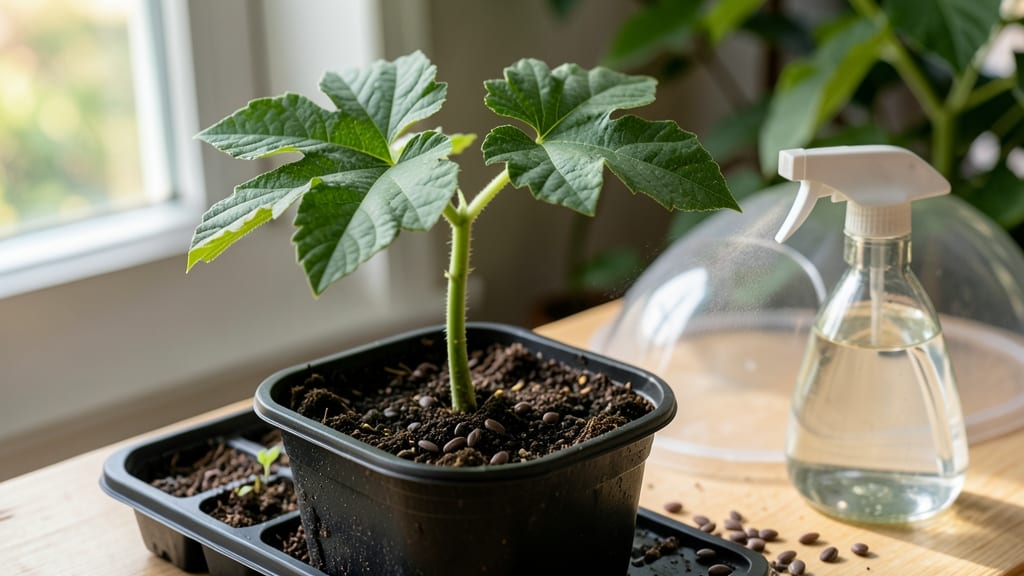
Passion fruit seed germination feels like unlocking a tropical treasure chest—moisture-controlled sprouts appear in just 10 days when you nail the balance. 🌱 I’ve watched those tiny seeds crack open like nature’s own time capsule, and the secret lies in keeping them damp (not soggy) while mimicking their rainforest origins. Too dry, and they’ll sleep forever; too wet, and they’ll rot before they wake. The difference between success and failure often comes down to that delicate moisture dance.
Start by soaking seeds overnight in warm water to soften the hard outer shell—this mimics natural rain cycles and speeds up germination.
Then, nestle them in a light, airy mix of perlite and peat moss (or even damp paper towels for speed), keeping everything consistently moist like a well-watered jungle floor. A clear plastic bag with tiny holes works like a greenhouse, trapping humidity while allowing airflow.
Most seeds sprout within 5-10 days, but patience is key—some stubborn ones take up to three weeks if they’re not quite ready.
What you’ll end up with are tiny, vibrant sprouts pushing through the soil, their first leaves unfurling like nature’s own party hats. These little seedlings are delicate but resilient—once they’ve got their first true leaves, you can transplant them into pots with well-draining soil.
The real magic happens when you see them climbing and thriving, their passion fruit vines reaching for the sky. It’s a process that rewards curiosity and attention to detail, turning what feels like a gamble into a foolproof way to grow your own tropical harvest.
The best part? This method works indoors or out, whether you’re starting seeds in a sunny kitchen window or a shaded greenhouse. Just keep that moisture consistent, and you’ll be well on your way to growing juicy, fragrant passion fruits in no time.
Here’s to those first sprouts—proof that even the most finicky seeds can be coaxed into life with the right care!
📚 In This Guide
- What you need
- Instructions
- Tips and common mistakes
- Wrapping up and next steps
What you need
- ● Passion fruit seeds: 5–10 fresh, plump seeds (harvested from ripe fruit—save the best for planting!)
- ● Seed-starting mix: 2–3 cups of sterile, well-draining potting soil (or a 50/50 blend of peat moss + perlite)
- ● Small containers: 2–4 biodegradable pots (3–4 inches wide) or a seed tray with drainage holes
- ● Spray bottle: 8–12 oz with a fine mist nozzle (for gentle moisture control)
- ○ Clear plastic wrap or dome: To create a humidity tent (optional but helpful)
- ○ Heat mat (optional): A small seedling heat mat (70–80°F) to speed up germination
- ● Grow lights or sunny windowsill: Access to bright, indirect light (6+ hours/day)
- ● Fungicide: 1 tsp of hydrogen peroxide (3%) (to prevent mold—dilute 1:10 with water)
- ● Thermometer/hygrometer: To monitor ideal temps (75–85°F) and humidity (80–90%)
- ● Label markers: For tracking seed varieties (if testing multiple types!)
Step-by-step instructions for germinating passion fruit seeds
Here’s how to coax those tiny passion fruit seeds into sprouts—fast and reliably.
🌱 Step 1: Soak Seeds to Soften the Outer Shell
Passion fruit seeds have a tough outer coating that slows germination. Place them in a small bowl and cover with lukewarm water for 24 hours. You’ll see the water turn slightly cloudy as the seed coats soften—this is normal. After soaking, drain the water and pat the seeds dry with a paper towel.
This step is critical. Skipping it means waiting 2-3 weeks instead of 10 days. The seeds should feel slightly pliable between your fingers, not hard. If they still feel firm, soak another 12 hours. Here’s the thing—don’t rush the soaking, but don’t let them dry out either.
💧 Step 2: Prepare Moisture-Retentive Germination Medium
Fill a small container (like a 4-inch-wide nursery pot) with a mix of 50% peat moss and 50% perlite. This blend holds moisture without suffocating roots. Moisten it until it’s damp like a wrung-out sponge—you should see moisture at the bottom but no standing water. Press the mix down lightly to create a firm surface for the seeds.
I like to use a spray bottle for this step because it lets me control the moisture precisely. Too much water and the seeds rot; too little and they dry out. Aim for a medium where water beads up on the surface but doesn’t pool. This is your moisture-controlled environment—keep it consistent.
🌿 Step 3: Plant Seeds and Maintain Warm, Damp Conditions
Place the soaked seeds ½ inch deep in the prepared medium, spacing them 1 inch apart. Gently press them into the soil so they make contact with the damp mix. Cover the container with a clear plastic lid or wrap it in plastic wrap to trap humidity. Place it in a warm spot—75-85°F is ideal, like on top of a fridge or near a sunny window.
Check the container daily. Mist the soil lightly if the surface feels dry to the touch, but don’t soak it. You’re aiming for a greenhouse effect where the seeds stay warm and moist without drowning. Within 3-5 days, you’ll see tiny white roots pushing through the soil—this is your first sign of success.
☀️ Step 4: Provide Light and Monitor Sprout Growth
Once the first true leaves appear (they’ll look like tiny, rounded cotyledons), remove the plastic cover. Place the container under bright, indirect light—a south-facing window or a grow light 6 inches away. Passion fruit seedlings need light to prevent leggy growth, but direct sun can scorch their delicate leaves.
Water the soil when the top ½ inch feels dry, using a spray bottle to avoid disturbing the sprouts. You’ll notice the seedlings grow quickly—within 10 days, they’ll have 2-3 sets of true leaves. This is when you’ll know they’re ready for their next phase. Don’t let them dry out now; consistent moisture keeps them strong.
⏰ Step 5: Transplant Seedlings When Ready
After 14 days, when seedlings have 3-4 true leaves and are 2-3 inches tall, it’s time to transplant. Gently remove them from the germination container, being careful not to break the roots. Plant them in individual 4-inch pots filled with a well-draining potting mix.
Here’s where it gets fun—watch the seedlings respond to their new home. Within a week, you’ll see them put on growth spurts. Keep the soil moist but not soggy, and provide 4-6 hours of morning sun to harden them off. Real talk: If a seedling looks weak, don’t panic—just give it a little extra care, and it’ll bounce back.
Tips & tricks for germinating passion fruit seeds
These little tricks will help you skip the guesswork and get those passion fruit seeds sprouting faster than you'd expect.
Soaking Strategy: I've learned the hard way that lukewarm water is key—too hot and you'll cook the seeds, too cold and they won't soften properly. After the initial 24-hour soak, if seeds still feel firm, give them another 12 hours rather than rushing ahead. The cloudy water is actually a good sign—it means the seed coats are breaking down. Pro tip: Use a clear bowl so you can see the seeds floating or sinking. Good seeds will sink to the bottom after soaking.
Medium Mix Matters: The 50-50 peat moss and perlite blend is non-negotiable for passion fruit seeds. I've tried straight peat and straight perlite—both failed. The peat holds moisture while the perlite prevents compaction. Press the mix firmly enough that it holds the seeds in place but not so hard that you compress the air pockets. Think of it like making a firm cake batter.
Warmth is Non-Negotiable: That 75-85°F range isn't just a suggestion—it's the sweet spot for germination. If your kitchen runs cooler, place the container on top of your fridge or near a sunny window. I've seen seeds sprout in just 3 days when kept at the upper end of this range, but they'll take twice as long if too cool. A heat mat set to low can work wonders if your home stays chilly.
Light Transition: When those first true leaves appear, don't remove the plastic cover too soon. Give them 24 hours under the cover before transitioning to light. This gradual exposure prevents shock. I've seen seedlings wither when moved too quickly—it's like going from a dark closet to direct sunlight all at once. The 6-inch distance from grow lights is crucial too; closer and you risk burning those delicate leaves.
Pro Tips for Passion Fruit Seed Germination
- These little tricks will help you skip the guesswork and get those passion fruit seeds sprouting faster than you'd expect.
- Soaking Strategy: I've learned the hard way that lukewarm water is key—too hot and you'll cook the seeds, too cold and they won't soften properly.
- Medium Mix Matters: The 50-50 peat moss and perlite blend is non-negotiable for passion fruit seeds.
Frequently asked questions
about passion fruit seed germination—here’s what you need to know before diving in!How long does it really take for passion fruit seeds to germinate?
With the right moisture and warmth (75–85°F), most passion fruit seeds sprout in 7–14 days. Some may take up to 3 weeks if conditions are cooler or drier. Patience is key—keep the soil consistently damp (not soggy) and monitor daily for tiny green shoots!
What if my seeds aren’t germinating after 2 weeks?
Don’t panic! Try these fixes:
- Check moisture: Overwatering can suffocate seeds, while dryness halts growth. Aim for consistently damp (not waterlogged) soil.
- Warmth boost: Move your tray to a warmer spot (like near a sunny window or under a heat mat). Passion fruit seeds love warmth!
- Test viability: Soak a few seeds in water overnight—if they sink, they’re likely viable. Floaters may be dead or dormant.
Can I germinate passion fruit seeds in water instead of soil?
Yes! Soaking seeds in water for 24–48 hours can speed up germination by softening the outer shell. Place them in a jar with fresh water, change daily, and watch for cracks or sprouts. Once roots appear (after ~3–5 days), transplant them to soil immediately to prevent rot.
How do I know when seedlings are ready to transplant?
Seedlings are ready when they have 2–3 true leaves (not the initial seed leaves) and a sturdy root system. Gently tug on the soil—if roots resist, they’re ready! Transplant into individual pots with well-draining soil, keeping them in bright, indirect light for the first week to avoid shock.
What’s the best temperature range for germination?
Passion fruit seeds thrive in 75–85°F (24–29°C). Below 65°F (18°C), germination slows dramatically. Use a seedling heat mat or place your tray on top of a refrigerator (not inside!) if your home runs cooler. Avoid direct heat sources like radiators, which can dry out the soil.
Pro Tip: Label your seeds!
Passion fruit varieties (like purple or yellow) can look identical as seedlings. Use toothpicks or markers to label pots with the date and variety—it’ll save headaches later when identifying your plants!
Wrapping up and next steps
Growing passion fruit from seeds is a rewarding journey that rewards patience with vibrant, tropical plants—and you’ve got all the tools to succeed! By mastering moisture control, warmth, and a little daily care, you’ll see those first sprouts emerge in just 10 days. 🌱✨
Now that you’re armed with knowledge, it’s time to roll up your sleeves and plant those seeds. Keep a journal to track progress, and don’t hesitate to experiment with different conditions—every gardener’s touch makes a difference. Happy growing!