
Propagation
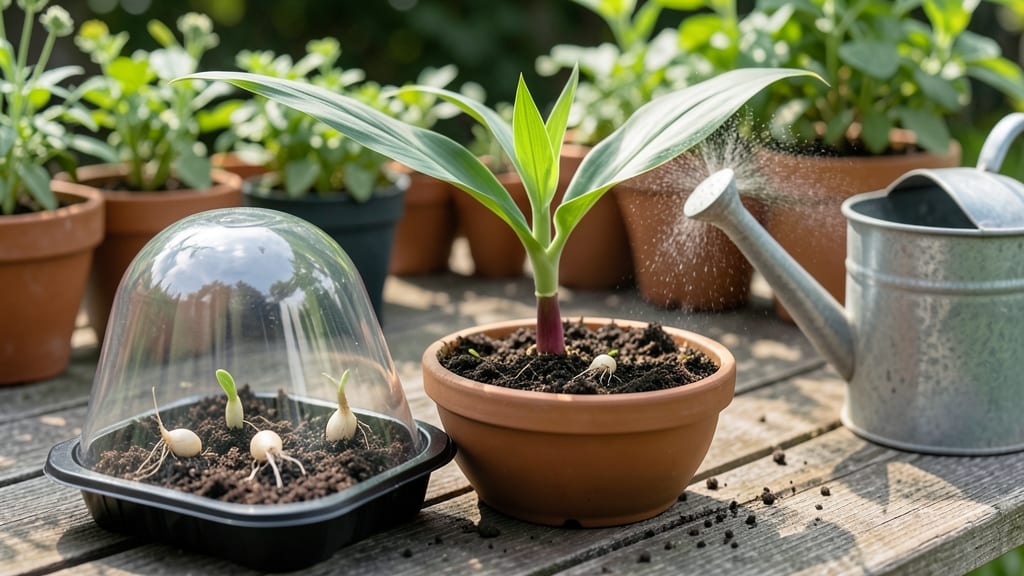
The corn seed germination time needs warmth to wake up—7 to 14 days is their typical germination window when soil hits 60-85°F. 🌱 I’ve watched tiny sprouts push through the soil in just 5 days when conditions are perfect, but cooler soil can stretch that out to 3 weeks. The key? Heat, moisture, and patience. Start by planting seeds 1-1.5 inches deep in well-drained soil that’s warm and damp (not soggy). A soil thermometer is your best friend—corn seeds won’t sprout below 50°F, and above 90°F, they can overheat. If your spring soil is still chilly, wait or use black plastic mulch to warm it faster. By day 10, you’ll spot the first green hooks breaking through—those are your seedlings’ first leaves. If nothing appears after 2 weeks, dig up a seed to check: it should feel firm and moist inside. Too dry? Water gently. Too cold? Cover with row fabric until the ground warms. This phase is all about timing—get it right, and you’ll have strong, uniform stands ready for pollination in weeks. Miss the mark, and you risk patchy growth or even failure. Here’s how to nail it every time.
📚 In This Guide
- What you need
- Instructions
- Tips and common mistakes
- Wrapping up and next steps
What you need
- ● Corn seeds: High-quality, non-GMO seeds (e.g., Zea mays varieties like Golden Bantam or Country Gentleman). Aim for 10–20 seeds for testing germination time.
- ● Germination container: Small seedling tray (10–12" wide) with drainage holes, OR
- ● A shallow plastic or glass dish (8" x 12" minimum) lined with a paper towel or damp cloth.
- ● Growing medium: Peat moss or coco coir (sterilized, 2–3 inches deep), OR
- ● A damp paper towel (for pre-sprouting seeds indoors).
- ● Water: Room-temperature, dechlorinated water (let tap water sit out for 24 hours or use filtered water).
- ● Heat source: Seedling heat mat (set to 75–85°F), OR
- ● A warm location like near a sunny window, oven (with light on), or a grow light (if using a heat lamp).
- ○ Spray bottle: Fine-mist for gentle watering (optional but helpful for moisture control).
- ● Plastic wrap or humidity dome: To retain moisture during early stages.
- ● pH test kit (ideal soil pH: 6.0–7.0 for corn).
- ● Fertilizer (balanced 10-10-10 or compost tea for post-germination growth).
- ● Grow light (LED or fluorescent, 12–16 hours/day) if natural light is insufficient.
- ● Journal or ruler to track seedling growth and germination timing.
How to time corn seed germination for fast, healthy sprouts
Warm soil and patience are all you need to coax corn seeds into the ground and watch them pop in under two weeks.
🌱 Step 1: Test Soil Temperature for Germination Readiness
Corn seeds need soil that's at least 60°F to sprout—warmer is always better. Stick a soil thermometer 2 inches deep in your planting area for a few days. If it's below 60°F, wait or use black plastic mulch to warm the soil faster. I've found that covering the bed with clear plastic for a week before planting can add 5-10°F to the soil temperature.
You'll know the soil is ready when the thermometer reads consistently above 60°F for 24 hours. Corn seeds germinate best between 70-90°F, so aim for that range if possible. If your spring is cool, consider using a seedling heat mat for 1-2 weeks after planting to give them a boost.
💧 Step 2: Plant Seeds at the Right Depth and Moisture
Corn seeds should go 1-1.5 inches deep—deeper than most seeds because they need energy to break through. Use your finger to make a small hole, drop in 2-3 seeds per spot (you'll thin later), and cover lightly. Press the soil gently around the seeds so they make good contact with the warm earth.
Water immediately after planting, but don't soak the soil. You want it moist but not soggy—think of a wrung-out sponge. Check the soil 1 inch below the surface with your finger; it should feel damp but not wet. Overwatering now can cause seeds to rot before they sprout.
☀️ Step 3: Monitor for Sprouts and Maintain Warmth
Germination typically appears in 7-14 days, but watch for signs earlier. You'll see the first tiny shoot push through the soil when the conditions are just right. Keep the area consistently moist—corn seeds need steady moisture to break through that outer shell. I like to use a spray bottle to keep the soil surface damp without disturbing the seeds.
If the weather turns cool, cover the bed with row fabric or plastic to trap heat. You'll know your seeds are happy when the first green tips appear. Once sprouts reach 2 inches tall, thin to the strongest seedling per spot. This prevents overcrowding and gives each plant room to grow strong stalks.
⏰ Step 4: Adjust Care After Germination Begins
The moment you see those first sprouts, stop covering the bed unless nighttime temperatures drop below 50°F. Corn seedlings need sunlight to grow strong, so remove any protective coverings during the day. You'll notice the seedlings lean toward the light—this is normal, but rotate the plants occasionally to keep them growing straight.
Water at the base of the plants, not overhead, to prevent fungal diseases. Keep the soil moist but never waterlogged—corn roots need oxygen to grow. Within 3-4 weeks after germination, you'll see the first true leaves appear (they look like small corn plants). This is your signal that the seedlings are established and ready for ongoing care.
Tips & tricks for perfect corn seed germination timing
Here's what nobody tells you about getting those first green shoots—it's all about reading your soil like a pro.
Soil Thermometer Secrets: That 24-hour window at 60°F+ isn't just arbitrary—it's when corn seeds kick into gear. I check temperatures at dawn and dusk because that's when soil cools most. If you're between 60°F and 70°F, germination will take the full 14 days. But hit 70-90°F and you'll see sprouts in just 7 days. The key is consistency—fluctuations below 60°F will stall everything.
Planting Depth Matters: The 1-1.5 inch depth isn't just a suggestion—it's about energy conservation. Corn seeds store energy in their outer shell, and planting too shallow means they'll dry out before breaking through. Too deep (over 2 inches) and they'll exhaust their energy trying to reach light. I make a small trench with my finger, drop seeds in, then gently pat soil back—no packing down, just enough to make contact.
Moisture Management: That "wrung-out sponge" test is critical. Overwatering now causes rot, but letting soil dry completely stops germination. I use a spray bottle to mist the surface daily—just enough to keep the top inch damp. The real test? Stick your finger 1 inch down—it should feel like a damp washcloth, not a dripping sponge. This is where most beginners go wrong.
Thinning Strategy: When you see those first 2-inch sprouts, don't thin right away. Wait until you can see which seedlings are strongest—usually the ones that emerge first. I pull weeds first to avoid disturbing the roots, then thin on a dry day when soil is firm. The strongest seedling should have vibrant green leaves and be slightly ahead of its neighbors.
Pro Tips for Corn Seed Germination Time
- Here's what nobody tells you about getting those first green shoots—it's all about reading your soil like a pro.
- Soil Thermometer Secrets: That 24-hour window at 60°F+ isn't just arbitrary—it's when corn seeds kick into gear.
- Planting Depth Matters: The 1-1.5 inch depth isn't just a suggestion—it's about energy conservation.
Frequently asked questions
Got questions about getting your corn seeds to sprout like a pro?
Here are some of the most common queries—plus quick, actionable answers to keep your garden growing strong!
How long does it really take for corn seeds to germinate?
Most corn seeds sprout in 7 to 14 days when soil temps hit 60–85°F (15–29°C). Sweet corn (like Golden Bantam) often germinates faster (5–10 days), while field corn may take up to 2 weeks. Pro tip: Use a seedling heat mat if your soil is cool—it can cut germination time in half!
What should I do if my corn seeds aren’t sprouting after 2 weeks?
First, check moisture—soil should stay consistently damp (not soggy). If seeds are still dry, try soaking them in warm water for 6–12 hours before replanting. If no sprouts appear after 3 weeks, test seed viability by cutting one open—if it’s hard and white, it’s likely dead. Alternative: Swap in fresh seeds or try a different variety.
Does soil temperature affect corn seed germination time?
Absolutely!
Corn thrives in warm soil (60°F/15°C+). Below 50°F (10°C), germination slows dramatically or fails entirely. Use a soil thermometer to monitor temps—if it’s chilly, cover seeds with black plastic or wait until nighttime temps stay above 55°F (13°C). Hot tip: Plant in late spring after the last frost for best results.
Can I speed up corn germination with any tricks?
Yes! Pre-soak seeds for 4–6 hours in warm water to kickstart hydration. For extra speed, mix seeds with perlite or vermiculite (keeps them moist without drowning). A bottom heat source (like a seedling heat mat) can also shave off days. Warning: Avoid overwatering—soggy seeds rot!
What’s the best way to tell if a corn seed is still viable?
Test viability by placing seeds in a jar of water—if 80% float, they’re likely dead; if they sink, they’re good to plant. For a visual check, cut a seed open: a plump, white interior means it’s fresh; a shriveled or discolored seed is past its prime. Storage tip: Keep seeds in a cool, dry place (like the fridge) to extend shelf life.
Wrapping up and next steps
Understanding corn seed germination time is key to nurturing healthy, thriving plants—especially since warmth and moisture can spark those first sprouts in just 7 to 14 days. With the right conditions, patience, and a few simple steps, you’re well on your way to a bountiful harvest. 🌱
Ready to take the next step? Plant your seeds with confidence, monitor their progress, and soon you’ll be watching those tiny shoots stretch toward the sun—proof that your green thumb is growing stronger every day!