
Propagation
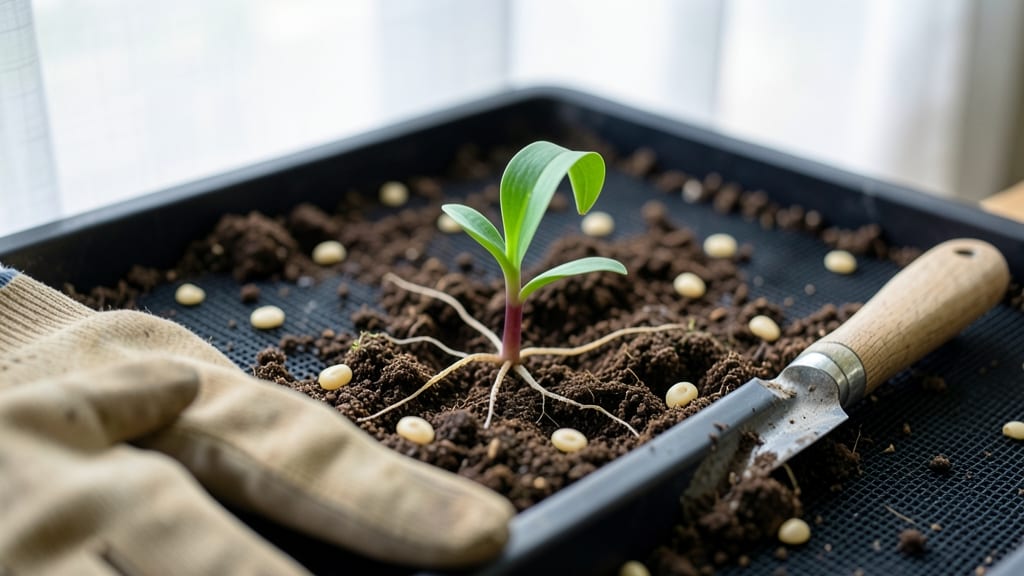
Corn seed germination reliably means beating the heat and moisture struggles that leave gardeners staring at empty rows. 🌱 I’ve lost count of the times I planted corn only to watch the soil stay stubbornly bare—until I discovered these cold-start tricks that finally gave me strong, uniform sprouts within 7-10 days. The secret isn’t fancy equipment—just the right soil temperature, consistent moisture, and patience. Corn seeds need warmth (at least 60°F) to wake up, but they’ll rot if the soil stays too wet. Start indoors in peat pots or use a heat mat to jumpstart germination before transplanting, or plant directly when soil reaches 65°F and stays that way. Once those first green shoots appear, you’ll know you’re on track for a 6-foot-tall stand of corn by summer. The key is keeping the soil damp (not soggy) and protecting seedlings from wind until they’re established. No more empty rows—just reliable growth. Works for sweet corn, field corn, or popcorn varieties. Here’s how to make it happen without the guesswork.
📚 In This Guide
- What you need
- Instructions
- Tips and common mistakes
- Wrapping up and next steps
What you need
- ● Corn seeds: High-quality, non-GMO seeds (e.g., Zea mays varieties like 'Silver Queen' or 'Golden Bantam'). Aim for 50–100 seeds for testing.
- ● Germination trays or containers: Plastic seed trays with drainage holes (10–20 cells per tray).
- ● OR A shallow dish (9x13 inches) lined with paper towels or a damp cloth.
- ● Growing medium: Soilless mix: Peat moss + perlite (3:1 ratio) or coconut coir for moisture control.
- ● OR Damp paper towels (for pre-sprouting).
- ● Water: Room-temperature, dechlorinated water (let tap water sit 24 hours or use distilled).
- ● Spray bottle: 8–16 oz with a fine mist nozzle for gentle hydration.
- ● Plastic wrap or humidity dome: Clear plastic sheet or a propagator lid to retain moisture.
- ● Thermometer: Digital soil/air thermometer (50–70°F / 10–21°C range).
- ○ Grow lights (optional): LED full-spectrum bulb (12–16 hrs/day) if natural light is <12 hrs/day.
- ● Cold-start conditions: A cool, dark space (e.g., fridge crisper drawer at 50–55°F / 10–13°C) for 3–5 days to break dormancy.
- ● Warm-up phase: Move seeds to a 70–75°F / 21–24°C environment (e.g., sunny windowsill or seedling heat mat) once sprouts appear.
- ● Ventilation: Ensure trays have airflow (remove plastic wrap once sprouts emerge).
- ● Patience: Corn seeds can take 7–14 days to germinate—consistency is key!
- ● Seedling heating mat (for faster warm-up phase).
- ● pH test kit (ideal soil pH: 6.0–7.0).
- ● Fungicide (e.g., Mycorrhizal inoculant) to prevent damping-off.
- ● Label markers (to track seed varieties and dates).
How to germinate corn seeds reliably using cold-start techniques
Cold-starting corn seeds boosts germination rates even in cool soil—here’s how I do it every season.
🌱 Step 1: Prep Seeds with Warm Water Soak
Fill a bowl with lukewarm water (90-95°F) and add your corn seeds. Let them soak for 12-24 hours—this softens the tough outer coating and kickstarts metabolic activity. You’ll see tiny white roots (radicles) appear after 12-18 hours if conditions are right.
Drain the seeds in a fine mesh strainer, then gently pat them dry with a paper towel. This prevents rot while keeping them hydrated. I like to soak seeds in batches of 20-30 at a time so they’re ready when the soil is prepped.
💧 Step 2: Warm the Soil Before Planting
Corn seeds germinate best in soil that’s 60°F or warmer. If your spring soil is still cool, spread a black plastic mulch sheet over the planting area 2-3 weeks before sowing. The plastic traps heat and warms the soil 5-10°F faster than bare ground.
Remove the mulch just before planting to avoid overheating. You’ll know the soil is ready when it feels warm to the touch and crumbles easily between your fingers. If it’s still cold, wait another day—rushing leads to uneven germination.
☀️ Step 3: Plant Pre-Soaked Seeds Deeply
Dig planting holes 1.5-2 inches deep—deeper than most guides suggest. Corn seeds need darkness to germinate, and planting too shallow exposes them to drying winds. Space rows 30-36 inches apart to allow for strong stalks later.
Place 2-3 seeds per hole (you’ll thin later) with the radicle (white root) facing downward. Cover with soil and gently firm it around the seeds. Water lightly with a spray bottle—no heavy watering yet, or you’ll wash seeds deeper than intended.
🪴 Step 4: Maintain Moisture and Monitor for Sprouts
Keep the soil consistently moist but never soggy. Use a moisture meter or check by hand—press your finger 1 inch deep. If it feels dry, water again. Germination takes 7-14 days, depending on soil warmth.
Once sprouts emerge, thin to the strongest seedling per hole. Watch for first true leaves (the second set after the initial seed leaves)—this confirms successful germination. If seedlings look weak or yellow, they may need more warmth or better drainage.
⏰ Step 5: Transition to Outdoor Conditions
After 3-4 weeks, when seedlings reach 6-8 inches tall, remove any remaining mulch to prevent overheating. Corn thrives in full sun (6+ hours daily), so ensure plants aren’t shaded by taller crops.
Side-dress with compost or balanced fertilizer when plants are 12 inches tall to support rapid growth. You’ll see tassels form in 60-70 days—this is your cue that pollination is near, and harvest is coming!
Tips & tricks for perfect corn seed germination
These cold-start strategies will give your corn seeds the best possible head start in cool conditions.
Water Temperature Precision: That lukewarm 90-95°F soak is critical—too cold won't activate the seeds, while water above 95°F can scald them. Use a thermometer to check, or test with your wrist (should feel warm but not hot). The 12-24 hour soak window is your safety net: seeds will germinate within 12-18 hours if conditions are ideal, but the extra time accounts for cooler water or older seeds.
Soil Warmth Verification: The 60°F minimum isn't just a number—it's the threshold where corn seeds finally start breaking dormancy. Use an infrared thermometer to check soil temperature before planting. If your soil feels cool to the touch (below 60°F), extend the mulching period by another week. I've seen germination rates drop by 30% when soil was just 5°F below optimal.
Planting Depth Secret: Those 1.5-2 inch holes might seem deep, but remember: corn seeds need darkness to germinate. Planting too shallow exposes them to drying winds and temperature swings. For extra insurance in dry climates, add a thin layer of damp sand over the seeds before covering with soil—this creates a moisture barrier that keeps them hydrated during germination.
Sprout Monitoring System: After planting, mark your rows with small stakes to track germination progress. The first true leaves (not the initial seed leaves) appear about 7-14 days after planting, signaling successful germination. If you notice yellowing at this stage, it's usually a sign of overwatering or poor drainage—corn seedlings are surprisingly sensitive to soggy conditions during their first weeks.
Pro Tips for Corn Seed Germination
- These cold-start strategies will give your corn seeds the best possible head start in cool conditions.
- Water Temperature Precision: That lukewarm 90-95°F soak is critical—too cold won't activate the seeds, while water above 95°F can scald them.
- Soil Warmth Verification: The 60°F minimum isn't just a number—it's the threshold where corn seeds finally start breaking dormancy.
Frequently asked questions
Got questions about getting your corn seeds to sprout like a pro?
You’re not alone—germination can feel like a game of chance! Here are the answers to the most common queries about corn seed germination, from timing to troubleshooting, so you can start strong and avoid common pitfalls.
How long does it take for corn seeds to germinate?
Corn seeds typically germinate in 7–14 days under ideal conditions (warmth, moisture, and darkness). If your soil stays consistently 70–90°F, sprouts may appear in as little as 5–7 days. Pro tip: Use a heat mat if your climate runs cool—corn seeds hate the cold!
What’s the best temperature for germinating corn seeds?
Corn seeds thrive in 80–90°F soil temperatures. If your outdoor soil is too chilly (<60°F), start seeds indoors with a seedling heat mat or use a greenhouse. For direct sowing, wait until nighttime temps stay above 55°F—otherwise, germination slows or stalls. Hot tip: A clear plastic dome over seedlings traps warmth like a mini greenhouse!
How often should I water corn seeds after planting?
Keep soil consistently moist but not soggy—corn seeds need 1–1.5 inches of water per week, especially during germination. Water gently to avoid displacing seeds, and use a spray bottle for indoor starts. Watch out: Overwatering can cause rot, while underwatering halts growth. Aim for damp, not drenched soil.
What should I do if my corn seeds aren’t sprouting?
First, check for moisture, warmth, and darkness (if pre-sprouting). If seeds are planted too deep (>1–2 inches), they may struggle to break through. Try soaking dry seeds overnight before replanting, or test a few in a damp paper towel—if they don’t sprout in 3–5 days, they might be non-viable. Last resort: Order fresh seeds from a trusted supplier.
Can I germinate corn seeds indoors before transplanting?
Yes! Start seeds 4–6 weeks before your last frost date in biodegradable pots or peat pellets. Use a grow light (12–16 hours/day) once sprouts emerge, and harden off seedlings for 1–2 weeks before transplanting. Bonus: This gives you a head start in cooler climates or short growing seasons.
What’s the difference between pre-sprouting and direct sowing corn?
Pre-sprouting
(soaking seeds until roots appear) speeds up germination but requires careful moisture control. Direct sowing is simpler and reduces transplant shock, though it relies on warm soil. For large gardens, direct sowing is often easier—just plant seeds 1–1.5 inches deep and 12 inches apart in rows. Trade-off: Pre-sprouting works best for slow starters or cool climates.
Wrapping up and next steps
Mastering corn seed germination with cold-start tricks takes patience and precision—but the rewards are worth it! By following these steps, you’ll boost your sprouts’ resilience and set the stage for a thriving harvest. You’ve got this! 🌱
Ready to take the next step? Experiment with different chilling durations or try soaking seeds in lukewarm water for 12 hours before planting. Track your progress and share your results—your garden (and future crops) will thank you!