
Lawn
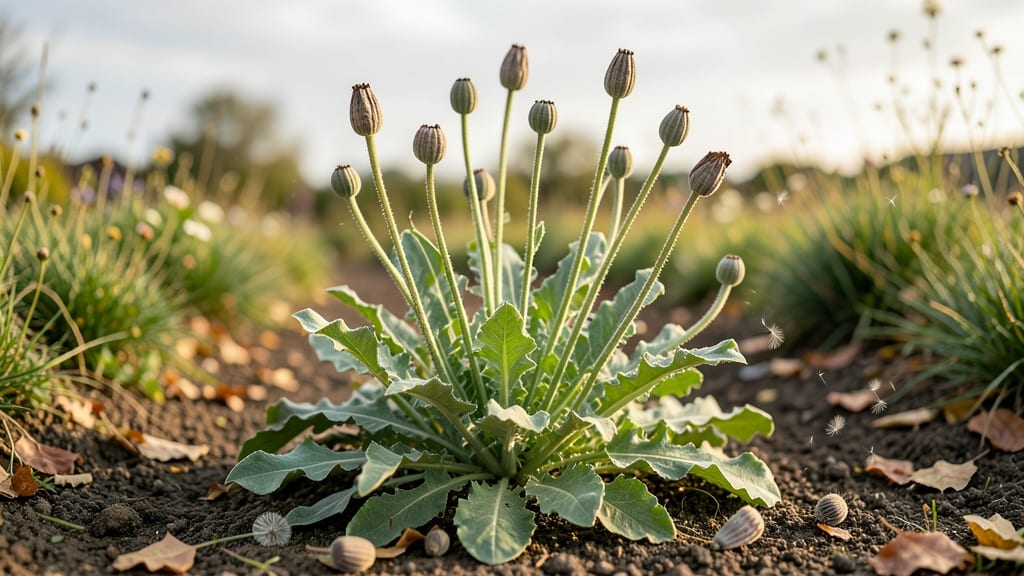
Those dramatic black lace blooms of oriental poppies transform gardens into living art—if you master their quirky seed pods. 🌿 I’ve grown them for years, and the secret to keeping those striking pods intact (instead of dropping prematurely) lies in timing, soil, and a little patience.
Most gardeners give up after the first year, but with the right approach, you’ll have show-stopping pods that last from summer into winter.
The key starts with well-draining soil—poppies hate soggy roots—and planting seeds too early (they need cold stratification). I’ve learned that sowing in late fall or early spring gives the best results, and a sunny spot with 6+ hours of light keeps those dark, papery blooms popping.
The pods themselves are the star: they’re perfect for dried arrangements, seed collection, or even rustic holiday decor.
By midsummer, your plants will reward you with bold, velvety blooms that fade into those iconic seed pods. The challenge? Keeping them on the plant long enough to enjoy. A light pruning after flowering extends their life, and a thin layer of mulch prevents them from toppling in wind.
Once dried, the pods add texture to winter bouquets or become seed sources for next year’s garden.
This isn’t just a one-season plant—oriental poppies self-seed reliably, creating natural drifts of black lace over time. The trade-off? They’re biennials, so you’ll need to plan for their lifecycle. But the payoff—those dramatic, almost sculptural pods—makes every effort worth it. Let’s get those seeds in the ground!
📚 In This Guide
- What you need
- Instructions
- Tips and common mistakes
- Wrapping up and next steps
What you need
- ● Oriental poppy seeds: Choose Papaver orientale varieties (e.g., 'Black Prince' or 'Beauty of Livermere'). Buy from a reputable supplier for freshness—aim for 1–2 seed packets (50–100 seeds each).
- ● Well-draining soil: Mix 1 part garden soil with 1 part coarse sand or perlite (oriental poppies hate soggy roots!).
- ● Sunlight: A full-sun spot (6+ hours of direct sunlight daily)—no compromises here!
- ● Watering can or hose: With a gentle spray nozzle to avoid disturbing seeds.
- ● Garden fork or trowel: For loosening soil (avoid over-tilling—poppies prefer lightly disturbed earth).
- ○ Compost or slow-release fertilizer: Low-phosphorus (5-10-10 NPK ratio) to prevent leggy growth. Optional: Bone meal at planting for extra vigor.
- ● Row markers or stakes: To label beds and track growth (poppies pop up unpredictably!).
- ● Pruners: For deadheading spent blooms (encourages more pods!).
- ● Patience: Oriental poppies are biennials—first-year foliage, second-year blooms!
- ● 🌡️ Timing: Sow seeds outdoors in fall (8–12 weeks before first frost) or indoors 6–8 weeks before last frost—they need cold stratification to germinate!
- ● ✨ Soil pH: Test your soil—ideal pH is 6.5–7.5. Amend with lime if too acidic.
- ● 🚫 Avoid: Overcrowding (space seeds 12–18 inches apart for mature plants).
Step-by-step instructions for cultivating oriental poppy seed pods
Here's how I grow these striking black-lace blooms—each step ensures bold, healthy plants that reward you with dramatic seed pods.
🌱 Step 1: Select the Perfect Planting Site
Oriental poppies thrive in full sun, needing at least 6-8 hours daily. I choose a spot with well-draining soil—they hate soggy roots—and avoid areas where water pools after rain. The ideal location gets morning sun and afternoon shade in hot climates to prevent wilting.
Test your soil's drainage by digging a 6-inch hole, filling it with water, and timing how long it takes to drain. If it takes longer than 2 hours, amend with 20% perlite or coarse sand to improve airflow. Poppies also prefer slightly alkaline soil (pH 7.0-8.0), so test your soil and adjust with lime if needed.
🌱 Step 2: Plant Seeds at the Right Depth and Spacing
Sow seeds ¼ inch deep in early spring, about 12-18 inches apart—they need room to grow their striking, sprawling habit. I plant them in clusters of 3-5 for a dramatic display, spacing rows 2 feet apart. Oriental poppy seeds germinate best at 60-70°F, so avoid planting in cold soil.
Don't cover seeds with more than a light dusting of soil—they need darkness to germinate but won't tolerate deep burial. Water gently after planting, keeping the soil evenly moist but not soggy until germination, which takes 10-21 days. Thin seedlings to the strongest plants, cutting weaker ones at the base to avoid disturbing roots.
☀️ Step 3: Provide Minimal Care for Bold Blooms
Once established, Oriental poppies are drought-tolerant but produce their best blooms with 1 inch of water weekly during dry spells. I water at the base in the morning to reduce fungal risks, avoiding wetting the foliage. Fertilize lightly in early spring with a balanced 10-10-10 fertilizer—too much nitrogen results in lush leaves but fewer flowers.
Deadhead spent blooms by snipping the stem 1 inch below the flower head to encourage more blooms. Leave some seed pods if you want next year's plants—they self-seed readily in well-drained soil. Mulch lightly with 2 inches of straw in winter to protect roots but avoid piling mulch against stems.
✂️ Step 4: Harvest and Preserve Seed Pods
Seed pods mature in late summer to early fall, turning from green to dry and papery. Harvest them when they're fully dry but before they split open—this usually happens when they turn tan or light brown. Cut the entire stem and hang it upside down in a dry, well-ventilated area for 2-3 weeks to finish drying.
Once completely dry, gently rub the pods between your hands to release the seeds. Store them in a paper envelope in a cool, dark place for up to 2 years. The dramatic black-lace blooms fade quickly after cutting, so enjoy them in the garden or preserve their unique shape by pressing dried flowers between heavy books.
Tips & tricks for growing striking oriental poppy seed pods
Took me years to perfect these techniques—here's how I ensure my Oriental poppies grow into those showstopping seed pods every time.
Site Selection Secrets: I look for spots with that perfect morning sun and afternoon shade combo, especially in hotter climates. The 6-8 hours of sun is non-negotiable, but I've found that afternoon shade prevents wilting while still giving those pods their signature dark lace texture. For the drainage test, I actually use a clear plastic cup instead of digging—just fill the 6-inch hole with water and time how long it takes to disappear completely.
Germination Game-Changer: The 10-21 day germination window can feel like forever, but I've learned to create a mini greenhouse effect. After planting those seeds just ¼ inch deep, I cover the area with clear plastic wrap secured with rocks until sprouts appear. This keeps the soil consistently moist at that ideal 60-70°F range without overwatering. Just remember to remove the plastic once those first green shoots appear—too much humidity can cause damping off.
Watering Wisdom: Those 1 inch weekly measurements might seem simple, but timing matters. I water at the base in the morning using a soaker hose to deliver water slowly at the roots. This prevents fungal issues from wet foliage and ensures the plants develop strong root systems. During heatwaves, I increase to twice weekly but always check the top inch of soil—if it's dry, that's your cue.
Harvesting Head Start: For those dramatic seed pods, I start monitoring color changes in late summer. When the pods turn that signature tan or light brown, I cut stems at a 45-degree angle just above a leaf node. The 2-3 week drying time is crucial—hang them in a dark place with good airflow (like a garage with open windows) to prevent mold. I've found that using brown paper bags instead of plastic helps maintain that perfect dryness without trapping moisture.
Pro Tips for Oriental Poppy Seed Pods
- Took me years to perfect these techniques—here's how I ensure my Oriental poppies grow into those showstopping seed pods every time.
- Site Selection Secrets: I look for spots with that perfect morning sun and afternoon shade combo, especially in hotter climates.
- Germination Game-Changer: The 10-21 day germination window can feel like forever, but I've learned to create a mini greenhouse effect.
Frequently asked questions
Got questions about growing oriental poppy seed pods? You’re not alone!
Here are answers to the most common queries—from timing and care to troubleshooting—so you can cultivate those stunning black lace blooms with confidence.
When is the best time to plant oriental poppy seeds?
Plant seeds in early spring (as soon as the soil is workable) or late summer for fall blooms. Oriental poppies thrive in cool weather and dislike heat, so avoid planting in summer. Direct sowing is best—they hate transplanting! Lightly press seeds into soil (they need light to germinate) and water gently.
How long does it take for oriental poppy seed pods to grow and bloom?
From seed to bloom, expect 8–12 weeks under ideal conditions. Seedlings may take 10–20 days to sprout, followed by rapid growth. Blooms appear in early to mid-spring (or fall, if planted late). Patience pays off—these dramatic flowers are worth the wait!
What do I do if my oriental poppy seeds don’t germinate?
If seeds aren’t sprouting after 3 weeks, try these fixes:
- Check moisture: Soil should stay consistently damp (not soggy). Water lightly daily.
- Light exposure: Poppies need sunlight to germinate—ensure seeds aren’t buried too deep (max ¼ inch).
- Temperature: Ideal soil temps are 50–70°F. If your climate is too hot, plant in partial shade temporarily.
- Fresh seeds: Poppy seeds lose viability quickly. Use seeds from the current year for best results.
Can I grow oriental poppies in containers, or do they need a garden bed?
Yes! Oriental poppies adapt well to containers (at least 12 inches deep) as long as they have:
- Well-draining soil (mix in perlite or sand).
- Full sun (6+ hours daily).
- Space to spread (they can reach 2–3 feet wide).
Use large pots or window boxes for urban gardens. Just avoid overcrowding—they resent root competition.
What happens after the flowers fade? Should I deadhead or leave the seed pods?
Leave the dramatic seed pods! They add winter interest and self-seed for next year’s blooms. If you prefer tidiness, deadhead after pods form (cut stems 2 inches above the base). Avoid deadheading before pods develop—this removes the plant’s energy source. Bonus: Dried pods make stunning dried floristry or craft projects!
Are oriental poppies deer-resistant? What pests should I watch for?
Deer usually avoid them, but hungry herds may nibble seedlings. Protect young plants with row covers or repellents. Watch for:
- Aphids: Spray with water or neem oil if they cluster on buds.
- Slugs/snails: Use beer traps or diatomaceous earth near seedlings.
- Powdery mildew: Improve airflow and avoid overhead watering.
Healthy plants resist pests—ensure full sun and well-draining soil!
Wrapping up and next steps
Growing oriental poppy seed pods is a rewarding journey that brings striking black lace blooms and unique texture to your garden. With the right soil, sunlight, and patience, you can transform your outdoor space into a captivating display of nature’s artistry.
Whether you’re a seasoned gardener or just starting, these dramatic pods offer a low-maintenance yet high-impact addition to any landscape.
Ready to dive in? Start by gathering your supplies—soil, seeds, and a sunny spot—and take the first step toward creating your own garden masterpiece! 🌱✨