
Planting
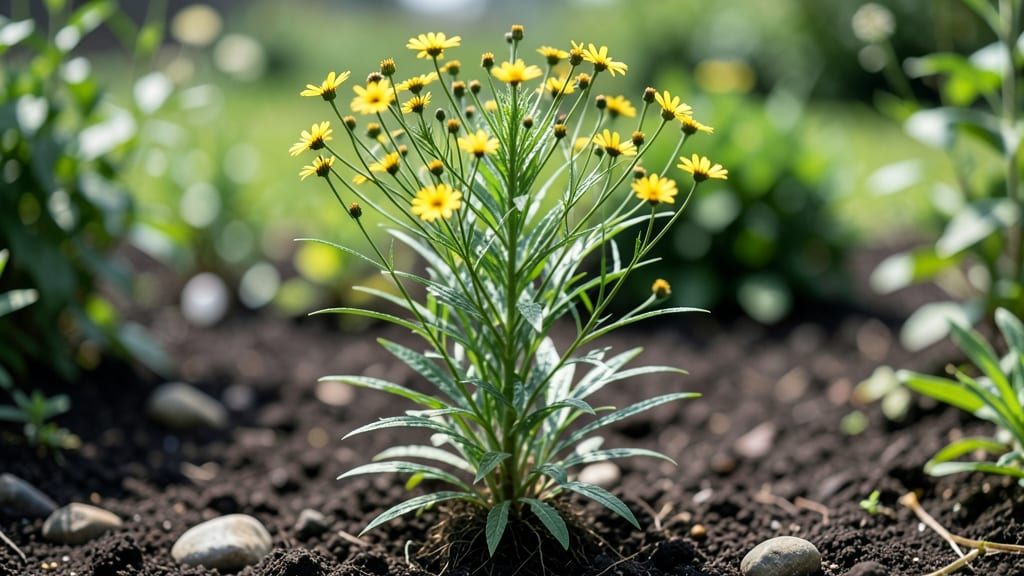
Growing nyjer seed plants transforms your garden into a buzzing haven for pollinators. 🌿 These delicate annuals pack a punch with their tiny yellow flowers that attract finches, bees, and butterflies year-round—if you get the timing right.
My first attempt nearly failed when I planted too late, but once I mastered the schedule, my backyard became a magnet for wildlife. The key is mimicking their native African climate: warm soil, full sun, and consistent moisture.
You’ll need well-draining soil mixed with compost (they hate soggy roots) and a spot that gets at least 6 hours of sunlight daily. Start seeds indoors 8-10 weeks before your last frost—they germinate fast but need warmth to thrive.
By midsummer, you’ll have 3-4 foot tall plants covered in tiny daisy-like blooms that keep birds visiting until frost. The secret to longevity? Deadhead spent flowers to encourage more blooms and fertilize lightly every 4 weeks. Even experienced gardeners underestimate how much these plants give back to the ecosystem.
Works in containers or garden beds, and the seeds double as bird food—just leave some for wildlife. Here’s how to keep them flourishing all season.
📚 In This Guide
- What you need
- Instructions
- Tips and common mistakes
- Wrapping up and next steps
What you need
- ● Nyjer seed packets: 1–2 packets (contains ~1,000–2,000 seeds per packet). Opt for Guizotia abyssinica seeds labeled for bird feeders or pollinator gardens.
- ● Well-draining potting mix: 1–2 gallons (look for a blend labeled "seed starting mix" or "cactus/succulent mix" for optimal drainage).
- ● Containers: Small seed trays or biodegradable pots (for starting seeds indoors).
- ● Larger pots (6+ inches deep) or garden beds (for transplanting).
- ● Slow-release fertilizer: A 10-10-10 or 5-5-5 blend (1 tbsp per gallon of soil).
- ● Watering can or spray bottle: With a fine mist nozzle for gentle watering.
- ● Hand trowel or small shovel: For planting and soil prep.
- ○ Glove (optional): Nyjer seeds can be super fine—a light glove helps avoid losing them to the wind! 🌬️
- ● Grow lights or sunny windowsill: If starting indoors (12–16 hours of light/day).
- ○ Mulch (optional): Straw or shredded leaves to retain moisture in garden beds.
- ○ Pruning shears (optional): For shaping mature plants.
How to create a thriving nyjer seed plant pollinator haven
Here's my foolproof method for growing nyjer seed plants that keep hummingbirds and finches visiting all year.
🌱 Step 1: Select the Right Location and Plant Type
Nyjer seed plants thrive in full sun—at least 6 hours daily. I always choose a south-facing spot where they'll get maximum exposure. The plant itself is an annual, but it self-seeds prolifically, so you'll get free replanting year after year.
For best results, plant 4-6 seeds per location—this ensures dense growth and continuous blooming. The seeds are tiny, so I mix them with sand first to make spacing easier. You'll see the first sprouts in 10-14 days if kept consistently moist during germination.
☀️ Step 2: Prepare Well-Draining Soil and Plant
Nyjer plants hate soggy roots, so amend your soil with compost and perlite to improve drainage. I dig a hole about twice as wide as the root ball but only as deep—these plants prefer to sit just below soil level. The tiny seeds should be planted ¼ inch deep—any deeper and they won't germinate.
After planting, water gently but thoroughly until you see moisture reach 3 inches deep. The soil should stay evenly damp but never waterlogged. You'll know you've got the right moisture balance when the surface feels slightly damp but not glistening.
💧 Step 3: Maintain Consistent Watering and Fertilization
Once established, nyjer plants are drought-tolerant but produce best with 1 inch of water weekly. I water deeply every morning to encourage deep root growth. During blooming season, I add a balanced liquid fertilizer every 4-6 weeks—this keeps the flowers vibrant and attracts more pollinators.
Here's the thing—nyjer plants bloom continuously if deadheaded regularly. I snip spent flowers with clean pruners, which encourages new blooms to form. You'll notice a steady stream of hummingbirds and finches within 6-8 weeks of planting if everything's right.
✂️ Step 4: Prune for Bushier Growth and Seed Production
Pinch back the tips of young plants when they reach 6 inches tall—this triggers bushier growth. I use my fingers to gently remove the top set of leaves, which signals the plant to branch out. This step is crucial for creating the dense, flower-filled shrubs that pollinators love.
When flowers fade, leave some seed heads on the plant—these will self-seed for next year's crop. I let about 20% of flowers go to seed while removing the rest. The remaining seed heads will provide winter food for finches, extending your plant's value through all seasons.
🌿 Step 5: Overwintering and Year-Round Care
Nyjer plants are tender perennials in warm climates but die back in frost. In colder areas, they'll self-seed prolifically, so you'll have new plants popping up each spring. I always leave some seed heads standing through winter—they provide essential food for finches when natural sources are scarce.
In spring, remove any dead growth but leave the base intact. New growth will emerge from the roots, and you'll have fresh blooms within 6-8 weeks. The key to year-round success is maintaining good soil health—add a layer of compost annually to keep nutrients available.
Tips & tricks for perfect nyjer seed plant growth
Took me years to figure out these pro strategies for keeping nyjer plants blooming like crazy all season.
Lighting Secret: The 6 hours of daily sun is non-negotiable, but I've found that adding a small grow light for 2-3 hours in early morning or evening during cloudy periods keeps your plants thriving. Nyjer plants are sun-worshippers—the more light they get, the more vigorously they'll bloom. I place mine near a south-facing window with supplemental light during winter months when daylight is limited.
Germination Hack: Those tiny seeds need consistent moisture during the critical 10-14 day germination window. I use a spray bottle to mist the soil daily rather than watering from above, which prevents seeds from washing away. Cover the area with clear plastic wrap to create a mini greenhouse effect—just remove it once sprouts appear to prevent mold. The key is keeping that soil evenly damp without becoming soggy.
Pruning Strategy: When you're pinching back those 6-inch plants, don't just snip the tips—remove the top set of leaves as well. This signals the plant to branch out more aggressively. I like to do this when the plant has at least 3 sets of true leaves to ensure it has enough energy to recover. The result? A bushier plant with more flower clusters that hummingbirds will adore.
Seasonal Transition: In fall, I leave about 20% of the seed heads standing for winter finch food, but I also collect the remaining seeds to store in a cool, dry place. These can be planted next spring for a head start. The plants that self-seed naturally often produce even more vibrant blooms the following year because they've adapted to your specific growing conditions.
Pro Tips for Nyjer Seed Plant
- Took me years to figure out these pro strategies for keeping nyjer plants blooming like crazy all season.
- Lighting Secret: The 6 hours of daily sun is non-negotiable, but I've found that adding a small grow light for 2-3 hours in early morning or evening during cloudy periods keeps your plants thriving.
- Germination Hack: Those tiny seeds need consistent moisture during the critical 10-14 day germination window.
Frequently asked questions
Got questions about growing Nyjer seed plants? Here are some of the most common ones—plus quick answers to help you get started!
What’s the best time of year to plant Nyjer seed?
For most climates, spring (after the last frost) is ideal—plant when soil temps hit 60°F (15°C). In warmer zones, fall planting (6-8 weeks before frost) also works. Nyjer thrives in warm conditions, so avoid planting when nights are still chilly. Pro tip: Use a soil thermometer to check!
How long does it take for Nyjer seed to germinate?
Germination usually takes 7–14 days in warm soil (70–80°F / 21–27°C). Keep seeds moist but not soggy and in bright, indirect light until sprouts appear. If nothing emerges after 3 weeks, replant—seeds may have expired or faced poor conditions.
Why aren’t bees visiting my Nyjer seed plant?
Bees love Nyjer, but a few factors might deter them: overwatering (damp flowers repel pollinators), lack of sun (they prefer full sun), or pesticide use. Try deadheading spent blooms and placing plants near native wildflowers to attract more visitors. Bonus: Plant in clusters for a stronger scent signal!
Can I grow Nyjer seed in containers?
Nyjer thrives in 5–7 gallon pots with drainage holes. Use a lightweight, well-draining mix (like 60% potting soil + 40% perlite). Place containers in full sun and fertilize lightly every 4–6 weeks. Just avoid overcrowding—space plants 12–18 inches apart for airflow.
What can I do if my Nyjer plant gets leggy or floppy?
Leggy growth usually means too little light or over-fertilizing. Move the plant to bright, indirect sunlight (or supplement with a grow light) and reduce fertilizer to half-strength. Prune back leggy stems to encourage bushier growth. Quick fix: Pinch back tips when young to promote compact growth!
Wrapping up and next steps
Growing a nyjer seed plant is a rewarding way to attract pollinators and add vibrant color to your garden—no matter the season! 🌸 With minimal effort, you’ll enjoy low-maintenance beauty while supporting bees, finches, and other wildlife.
Whether you’re a beginner or seasoned gardener, this hardy annual is a fantastic addition to any outdoor space.
Ready to take the next step? Start with just a few seeds—plant them in well-draining soil, keep them sunny, and watch your garden transform into a buzzing, colorful haven. Happy planting! 🌱