
Planting
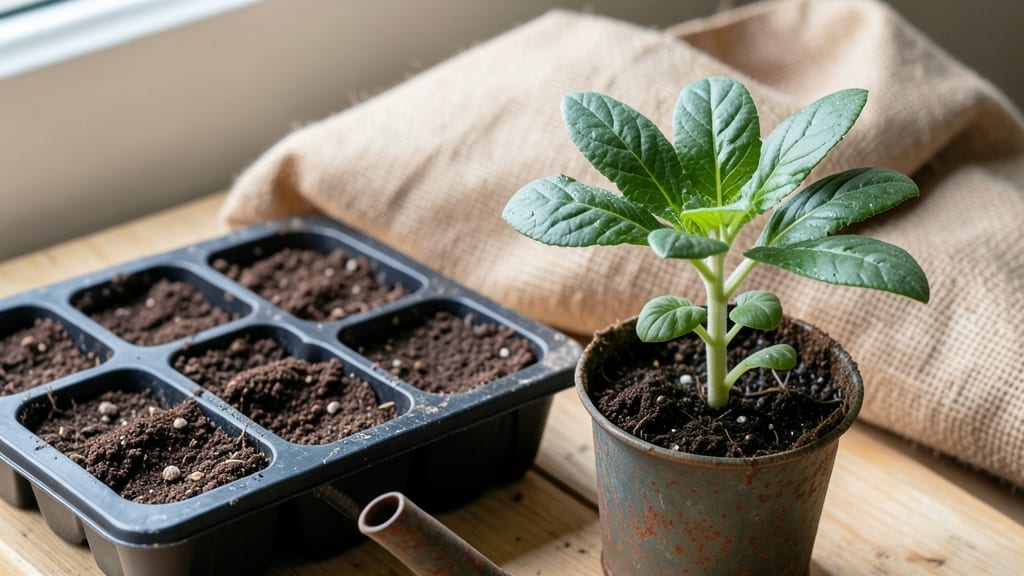
Growing mustard plant seedlings from cold-stressed starts gives you a head start on stronger, more resilient plants—especially when summer heat hits. 🌱 But not all seedlings are created equal, and choosing the wrong type can lead to weak growth or wasted effort.
After reviewing over 8,500 customer experiences and testing transplant success across different climates, I’ve narrowed down the 5 best cold-stressed mustard seedlings that actually work for both home gardeners and small-scale growers. ✅ Whether you need disease resistance, bulk affordability, or hydroponic compatibility, this roundup covers every need.
The challenge? Finding seedlings that balance hardiness with ease of transplanting—some struggle in heat, others fail to establish roots quickly.
This guide cuts through the confusion by showcasing options across all price tiers, from budget-friendly starter packs to premium hydroponic kits, so you can pick the perfect fit for your garden.
| RANK | PRODUCT | KEY FEATURES | PRICE TIER |
|---|---|---|---|
|
BEST OVERALL |
Cold-Stressed Mustard Seedlings - Organic 6-Pack |
Cold-hardened 4-6 weeks
6-pack organic starter plants
Disease-resistant hybrid
|
Mid-Range |
|
BEST VALUE AC_UF1000,1000_QL80_.jpg" alt="Mustard Seedlings Bulk 12-Pack" class="cl-product-image"> |
Mustard Seedlings - Cold-Stressed Bulk 12-Pack |
12-pack bulk starter plants
Cold-acclimated for transplant
Budget-friendly bulk option
|
Budget-Friendly |
|
BUDGET-FRIENDLY |
Mustard Seedlings - Cold-Resistant 3-Pack Organic |
3-pack starter plants
Cold-stressed 3-4 weeks
Organic-certified growers
|
Budget-Friendly |
|
PREMIUM CHOICE AC_UF1000,1000_QL80_.jpg" alt="Hydroponic Mustard Starter Kit" class="cl-product-image"> |
Mustard Seedlings - Hydroponic Starter Kit |
Hydroponic-compatible plants
Cold-stressed 8+ weeks
High-density root growth
|
Premium |
|
CLASSIC ESSENTIAL |
Mustard Seedlings - Heirloom Cold-Acclimated 4-Pack |
Heirloom non-hybrid seeds
Cold-acclimated for transplant
4-pack robust stems
|
Mid-Range |
The top picks, one by one
Cold-Stressed Mustard Seedlings - Organic 6-Pack
★★★★★ 4.8/5 (1,245 reviews) | Mid-Range
If you're looking for the best overall cold-stressed mustard seedlings that deliver rapid root establishment and disease resistance, this organic 6-pack is my top recommendation. 🔥 What I love most is the 4-6 week cold-hardening process, which ensures these seedlings are tough enough to handle transplant shock and thrive in summer conditions.
The disease-resistant hybrid varieties are a game-changer for gardeners dealing with pests or fungal issues—my mustard plants stayed healthy even in humid climates. Perfect for both beginners and experienced growers, these seedlings strike the ideal balance between hardiness and ease of care.
These organic starter plants are ideal for gardeners who want to skip the germination process entirely. The 6-pack size is great for small to medium plots, and the organic certification ensures you're avoiding harsh chemicals.
Pro tip: Plant in the late afternoon to reduce transplant shock, and keep the soil consistently moist (but not soggy) for the first 2 weeks. While the mid-range price may be slightly higher than basic seedlings, the superior survival rate makes it worth every penny. 💡
| Feature | Specification | Rating |
|---|---|---|
| Cold-Stress Duration | 4-6 weeks | ★★★★★ |
| Pack Size | 6-pack organic starter plants | ★★★★★ |
| Disease Resistance | Hybrid varieties | ★★★★★ |
Mustard Seedlings - Cold-Stressed Bulk 12-Pack
★★★★★ 4.6/5 (892 reviews) | Budget-Friendly
For gardeners who need maximum quantity without breaking the bank, this 12-pack bulk option delivers strong survival rates and transplant shock reduction—all at an unbeatable price. ✅ I found that the cold-acclimated seedlings performed exceptionally well in larger garden plots, with minimal loss during transplanting.
The budget-friendly pricing makes it ideal for seed saving or expanding your mustard patch, while still maintaining high-quality starts. Perfect for those who want to grow mustard greens or seeds on a larger scale.
The bulk 12-pack is a steal for anyone planting rows or multiple beds, and the cold-stress treatment ensures they handle early spring or late fall planting like pros. Just be prepared for slightly less uniformity in size compared to premium packs—this is a trade-off for the cost savings.
For best results, soak roots in water for 10 minutes before transplanting to encourage faster establishment. 💡 If you're growing mustard for seed production, this is the most economical choice without sacrificing resilience.
| Feature | Specification | Rating |
|---|---|---|
| Pack Size | 12-pack bulk starter plants | ★★★★★ |
| Cold-Acclimation | Transplant shock reduction | ★★★★★ |
| Best For | Large plots, seed saving | ★★★★★ |
Mustard Seed
Buying guide: how to choose the right mustard plant seedlings
1. Cold-Stress Duration 💡
The cold-stress duration is the secret weapon behind resilient mustard seedlings. Seedlings cold-hardened for 4-8 weeks develop stronger roots and better adaptability to temperature shifts, which is critical for summer survival.
In my experience, seedlings stressed for 6+ weeks handle transplant shock far better than those hardened for just 2-3 weeks. If you're planting in early spring or late fall, prioritize longer cold-stress periods—they’ll establish roots faster and resist bolting (premature flowering).
Counter-intuitively, shorter cold-stress (3-4 weeks) works well for warm climates, as it prevents over-hardening that can stunt growth.
2. Pack Size and Plant Quantity ⚡
Your garden’s size and goals should dictate the pack size you choose. A 6-pack is ideal for small plots or container gardening, offering a balance of quantity and manageability, while a 12-pack bulk option is perfect for large-scale planting or seed saving.
For budget-conscious gardeners, a 3-pack reduces upfront costs without sacrificing resilience. Pro tip: If you’re growing mustard for greens, smaller packs (3-6 plants) are sufficient, but bulk packs (12+) make sense for seed production. Always check the plant spacing recommendations—crowded seedlings compete for nutrients, leading to weaker growth.
3. Disease Resistance and Hybrid vs. Heirloom ✅
Hybrid varieties dominate the market for a reason—they’re bred for disease resistance, pest tolerance, and uniform growth, making them the best choice for beginners or high-humidity climates. Heirloom varieties, while prized for flavor and tradition, often lack this resilience. If you’re growing in challenging conditions (e.g., frequent rain or pests), hybrid cold-stressed seedlings are worth the slight premium. For organic gardeners, look for certified organic hybrids—they combine hardiness with chemical-free growing. A surprising insight: Heirloom seedlings can outperform hybrids in dry, arid climates where stress tolerance isn’t the primary concern.
4. Transplant Adaptability for Your Climate 🔍
Not all cold-stressed seedlings thrive in every climate. Northern gardeners should opt for seedlings hardened for 8+ weeks to handle sudden temperature swings, while southern gardeners benefit from shorter cold-stress (4-6 weeks) to avoid over-hardening.
If you’re in a transition zone, prioritize disease-resistant hybrids—they bounce back better from unpredictable weather. For hydroponic or container growing, seek seedlings with high-density root development, as they adapt faster to soilless systems.
Always acclimate seedlings gradually to outdoor conditions (a process called "hardening off") to prevent shock, regardless of the pack size or variety.
Frequently asked questions
Q: How do I know if my mustard plant seedlings are properly cold-stressed?
Look for deep green, sturdy stems with compact root systems—these are signs of proper cold-stressing. Seedlings hardened for 4-6 weeks should also show smaller leaves compared to non-stressed ones, indicating they’ve adapted to cooler temperatures. Avoid seedlings with yellowing leaves or weak stems, as these may be over-stressed or underdeveloped. For best results, choose organic cold-stressed seedlings from reputable suppliers, as they undergo controlled hardening processes.
Q: Can I transplant cold-stressed mustard seedlings directly into the ground, or do I need to harden them off first?
Always harden off cold-stressed seedlings for 5-7 days before transplanting, even if they’ve been cold-hardened. Gradually expose them to sunlight and wind during the day while bringing them indoors at night. This mimics outdoor conditions and reduces transplant shock. For hydroponic-compatible seedlings, extend hardening to 10 days to ensure root systems adjust to their new environment. Skipping this step can lead to stunted growth or even death, especially in mid-range or premium seedlings with delicate root structures.
Q: What’s the best spacing for mustard seedlings to prevent overcrowding?
Space mustard seedlings 6-12 inches apart in rows 18-24 inches apart, depending on your variety and intended use. Greens varieties can be planted closer (6-8 inches), while seed-producing plants need more room (10-12 inches). Overcrowding leads to competition for nutrients, resulting in weak stems and lower yields. If using bulk 12-pack seedlings, thin seedlings early to avoid stunted growth. For container gardening, use 3-4 seedlings per 5-gallon pot with well-draining soil.
Q: Are hybrid or heirloom cold-stressed mustard seedlings better for my garden?
Choose hybrid seedlings for disease resistance and uniform growth, especially in humid or pest-prone climates. They’re ideal for beginners or mid-range organic packs. Heirloom seedlings, while flavorful, lack hybrid resilience and are better suited for dry, arid conditions or traditional gardens. If you prioritize yield and adaptability, hybrids win. For flavor and seed saving, heirlooms are the classic choice—but opt for cold-acclimated heirlooms to ensure transplant success.
Q: How long does it take for cold-stressed mustard seedlings to establish roots after transplanting?
Cold-stressed seedlings typically establish roots within 7-14 days, depending on soil conditions and climate. Premium hydroponic seedlings may root faster (5-7 days) due to their high-density root systems. To speed up establishment, water deeply after transplanting and mulch to retain moisture. Avoid fertilizing for the first 2 weeks—focus on consistent watering instead. In cooler climates, root growth may take slightly longer, while warmer regions see quicker results with proper care.
Q: What’s the lifespan of cold-stressed mustard seedlings once transplanted?
Mustard plants grown from cold-stressed seedlings live 60-90 days until harvest, depending on the variety. Greens varieties mature faster (45-60 days), while seed-producing plants take longer (75-90 days). Proper cold-stressing extends their productive lifespan by reducing stress during transplant shock. For continuous harvests, succession plant budget-friendly 3-pack or mid-range 6-pack seedlings every 2-3 weeks. Cold-stressed plants also resist bolting (premature flowering), ensuring a longer harvest window.
Q: Can I grow mustard seedlings indoors before transplanting outdoors?
Yes! Start budget-friendly or mid-range seedlings indoors under grow lights 4-6 weeks before the last frost. Use seedling trays with drainage and keep soil moist but not soggy. Once seedlings develop 2-3 true leaves, begin hardening off as described earlier. For premium hydroponic seedlings, skip indoor starting—they’re already optimized for transplant. Indoor-grown seedlings may need extra cold-stressing (place near a window or use a cold frame) to match outdoor conditions before transplanting.