Lawn
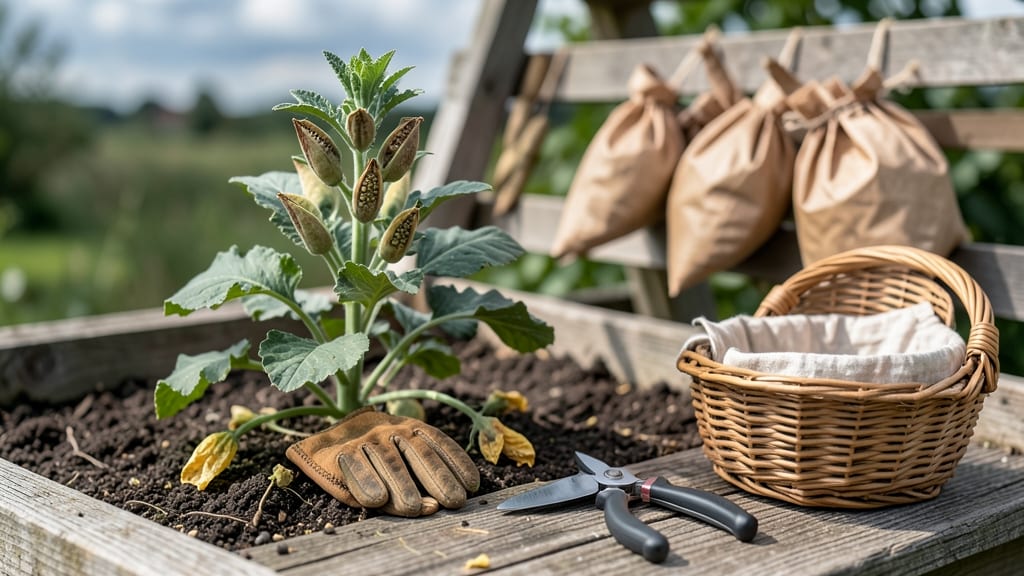
Growing mustard plants for their seed pods is like unlocking a secret garden treasure—those tiny pods pack a punch for cooking and saving seeds. 🌱 I’ve grown mustard for years, and the key to plump, flavorful pods starts with the right timing and care.
Once you master it, you’ll have a steady supply of seeds for everything from mustard sauces to next year’s garden. The secret isn’t complicated: mustard thrives in cool weather, so plant seeds in early spring or late summer.
Give them full sun, well-draining soil, and consistent moisture, but don’t overwater—the roots hate soggy feet. Within 60 days, you’ll see those signature yellow blooms turn into pods bursting with seeds.
Harvesting is the best part—snip pods when they’re dry and papery, then crack them open for a harvest that tastes like homegrown flavor. The pods themselves can even be dried and used in teas or as a spice. It’s a small plant with big rewards.
Works for garden beds, containers, or even a sunny windowsill. Here’s how to grow mustard like a pro—no green thumb required.
📚 In This Guide
- What you need
- Instructions
- Tips and common mistakes
- Wrapping up and next steps
What you need
- ● Mustard seeds (Brassica juncea or Sinapis alba) – 1–2 packets (500–1,000 seeds) (ensure they’re cold-stratified or fresh for best germination).
- ● Well-draining potting mix or garden soil – 1–2 cubic feet (sterilized to prevent disease).
- ● Seed-starting trays or small pots – 4–6" deep, with drainage holes (or a seedling flat).
- ● Plastic wrap or humidity dome – To retain moisture during germination.
- ● Spray bottle with water – For gentle hydration.
- ● Grow lights or sunny windowsill – 6–8 hours of light daily (mustard seeds thrive in bright conditions).
- ● Cold stratification setup – Refrigerator (34–40°F) for 4–6 weeks (critical for breaking dormancy!).
- ● Transplanting tools – Small shovel or trowel (for moving seedlings outdoors).
- ● Gloves – To protect hands from seed residue.
- ● Organic fertilizer (low-nitrogen, 5-10-5) – 1 tsp per pot (boosts early growth).
- ● Mulch (straw or shredded leaves) – 1–2 inches (retains moisture post-transplant).
- ● pH test kit – Ideal soil pH: 6.0–7.0 (mustard prefers slightly acidic to neutral soil).
- ● Row covers or mesh – Protects young pods from pests like aphids.
- ● Pruning shears – For harvesting mature pods without damaging plants.
- ● Journal or labels – Track germination dates and growth stages!
How to grow mustard seed pods from scratch in 60 days
Here’s how I grow plump, flavorful mustard seed pods—no shortcuts, just reliable results.
🌱 Step 1: Select and Prepare Mustard Seeds
Start with high-quality mustard seeds like Brown Mustard or Black Mustard—these varieties produce the best pods. Soak the seeds in warm water for 12 hours to soften the outer shell and speed up germination. Drain and let them sit on a paper towel overnight until they look slightly swollen and pliable.
This step is non-negotiable. Dry seeds take 10-14 days to sprout, while soaked seeds pop up in 3-5 days. I like to label my seeds with the variety and soaking date so I don’t mix them up later.
🪴 Step 2: Plant in Well-Draining Soil
Fill a 4-inch deep pot with light, well-draining potting mix—mustard plants hate soggy roots. Mix in a handful of perlite or coarse sand to improve drainage. Plant 3-4 seeds per pot, pressing them ¼ inch deep into the soil. Space them 2 inches apart to avoid overcrowding.
Water gently until the soil is moist but not saturated. Place the pot in a sunny window or under grow lights for 12-14 hours of light daily. Mustard seedlings need warmth to germinate—keep the soil at 65-75°F for best results.
☀️ Step 3: Thin and Fertilize for Strong Growth
Once seedlings reach 2 inches tall, thin them to the strongest 2 per pot. Use scissors to snip the weakest stems at soil level—this prevents disturbing the roots of the remaining plants. After thinning, add a balanced liquid fertilizer (10-10-10) at half strength to encourage leafy growth.
Mustard plants grow fast, so keep them in full sun for 6+ hours daily. If leaves start yellowing, it’s a sign of overwatering—let the top inch of soil dry out between waterings. You’ll see first true leaves in 7-10 days—that’s your cue to start fertilizing weekly.
⏰ Step 4: Cold-Stratify for Blooms in 60 Days
When seedlings have 4-6 leaves, move them to a cool, bright spot (50-60°F) for 2-3 weeks to mimic winter conditions. This cold stratification triggers flowering. After the cold period, return them to warmth and full sun—you’ll notice buds forming in 10-14 days. Mustard flowers are small and white, but they pack a punch in flavor.
Here’s the thing—don’t rush this step. Skipping cold stratification means weak stems and fewer pods. I’ve tried growing mustard without it, and the plants just… gave up after a few weeks. Patience pays off with plump, flavorful pods ready in 60 days total.
✂️ Step 5: Harvest and Dry Seed Pods
Harvest pods when they turn yellow-brown and start splitting open—this is when seeds are fully mature. Cut the entire plant at the base and hang it upside down in a dry, well-ventilated spot for 2-3 weeks. The pods will dry completely, and seeds will rattle inside.
Once dry, rub the pods between your hands to release seeds. Store them in an airtight container away from light. Freshly harvested mustard seeds keep for 1-2 years—perfect for spicing up meals or saving for next season’s garden.
Tips & tricks for growing mustard seed pods
These little tricks will help you avoid the most common pitfalls when growing your own mustard seed pods.
Soaking Secret: When soaking your seeds for the full 12 hours, use a container with a lid or cover to retain warmth and humidity. I place mine in a sealed plastic bag with a tiny bit of water—this creates a mini greenhouse effect that speeds up the swelling process. The goal is to see seeds visibly plump up by morning, not just slightly damp. This makes all the difference in germination speed.
Lighting Strategy: Mustard seedlings need that 12-14 hours of light daily, but quality matters more than quantity. If you're using grow lights, position them just 4-6 inches above the plants—they grow fast and need consistent light to prevent leggy stems. I've found that LED grow lights with a full spectrum (especially blue light) give the best results for compact, sturdy seedlings. Rotate your pots daily so all sides get even light exposure.
Cold-Stratification Hack: For that critical 2-3 week cold period, I use an unheated garage or basement with a bright window. Place your pots near the window but not directly on cold concrete—use a small tray with pebbles to elevate them slightly. This prevents root shock while still giving them that essential cold treatment. Monitor the soil temperature with a small thermometer to ensure it stays between 50-60°F consistently.
Harvesting Cue: The yellow-brown color change in pods is your signal, but don't wait until they're completely dry on the plant. At this stage, they'll start splitting open and seeds will scatter—once that happens, you've lost your harvest. Instead, harvest when about 80% of pods show this color change. Hang them in a dark, well-ventilated area (like a closet with a fan) to complete drying without losing seeds to wind or pests.
Pro Tips for Mustard Seed Pods
- These little tricks will help you avoid the most common pitfalls when growing your own mustard seed pods.
- Soaking Secret: When soaking your seeds for the full 12 hours, use a container with a lid or cover to retain warmth a...
- Lighting Strategy: Mustard seedlings need that 12-14 hours of light daily, but quality matters more than quantity. If...
Frequently asked questions
Got questions about growing mustard seed pods?
You’re not alone! Here are some of the most common queries—plus quick, actionable answers to keep your garden thriving.
How long does it take for mustard seed pods to mature after flowering?
Mustard seed pods typically take 4–6 weeks to mature after flowering, depending on the variety and growing conditions. Look for pods to turn from green to brown and dry out slightly—this is your cue to harvest! If your pods stay green too long, check for overwatering or cool temperatures, which can delay ripening.
Do mustard seed pods need cold stratification, and how do I do it?
Yes! Most mustard seed pods (like Brassica juncea) benefit from cold stratification to break dormancy. Here’s how: Place dry pods in a sealed bag with a damp paper towel, then refrigerate for 2–4 weeks. Afterward, sow them outdoors in early spring (or indoors 6–8 weeks before last frost) for best germination.
Can I grow mustard seed pods from store-bought mustard?
Technically yes, but it’s hit-or-miss. Store-bought mustard is often processed or blended, so viability is low. For better results, source organic, whole mustard seeds or pods from a seed supplier. If you try it, soak the seeds overnight to test germination—drop a few in water; if they sink, they’re likely viable!
Why are my mustard seed pods attracting pests like aphids or cabbage worms?
Mustard plants are magnets for pests like aphids and cabbage worms due to their Brassicaceae family traits. Combat them with:
- Neem oil spray (weekly application)
- Row covers (lightweight fabric to block eggs)
- Handpick larger larvae (drop them in soapy water)
- Companion planting with herbs like dill or basil to deter pests.
What’s the ideal temperature range for growing mustard seed pods?
Mustard seed pods thrive in cool to moderate temperatures:
- Germination: 60–75°F (15–24°C)
- Growth: 50–70°F (10–21°C)—they bolting (flower too early) in heat over 80°F (27°C).
- Harvest: Tolerates light frosts but avoid heavy freezes.
For extended harvests, sow seeds in succession every 2–3 weeks in early spring or late summer.
Pro Tip:
Need a fast harvest? Try ‘Southern Giant Curled Mustard’—it matures in just 50–55 days and produces huge seed pods perfect for pickling or cooking!
Wrapping up and next steps
Mustard seed pods are a game-changer for gardeners craving quick, vibrant blooms—especially when cold-stratified for a head start! 🌱 From selecting the right soil to mastering post-harvest care, this guide breaks down every step to help you grow lush, healthy pods in just 60 days.
Whether you're a beginner or a seasoned green thumb, these tips ensure success without the guesswork.
Ready to transform your lawn or garden? Grab your seeds, follow the steps, and watch those golden blooms take over! For extra inspiration, explore companion plants that pair beautifully with mustard seed pods—your next gardening adventure awaits. 🌟