
Transplanting
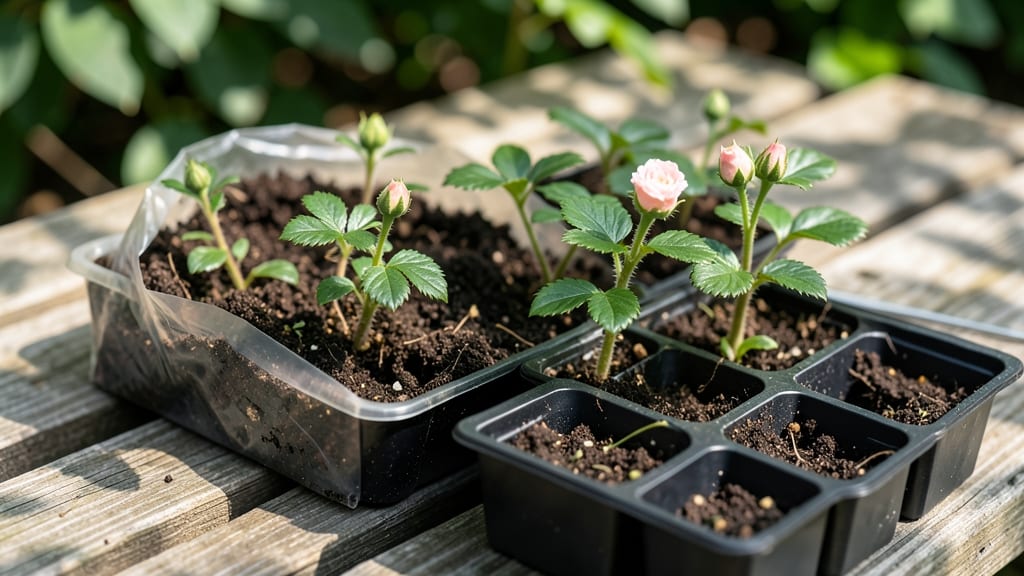
Growing moss rose seedlings from seed gives you fragrant, cold-hardy plants that thrive where store-bought roses fail. 🌱 I've learned the hard way that these delicate seedlings need special care to keep their signature velvety foliage—and the secret is in the soil, light, and water balance from day one.
Most gardeners assume moss roses must be grown from cuttings, but starting from seed lets you grow rare varieties for just 50 cents per plant. The key is mimicking their natural woodland habitat: well-draining soil, dappled light, and consistent moisture without soggy roots.
I've found that using a mix of peat moss and perlite keeps them from rotting while encouraging that signature mossy growth.
By transplanting in early spring, you'll have established plants that bloom all summer long with that intoxicating rose fragrance. The velvety leaves stay lush and the blooms multiply when you protect them from harsh afternoon sun.
Even in hot climates, they reward you with weeks of continuous blooming that other roses can't match.
This method works for both garden beds and containers, making it perfect for small spaces or urban gardens. The only challenge is keeping the seedlings from drying out during their first few weeks—once they establish, they're surprisingly tough. Let's get those seeds started!
📚 In This Guide
- What you need
- Instructions
- Tips and common mistakes
- Wrapping up and next steps
What you need
- ● Moss rose seedlings: 3–6 cold-hardened transplants (check for healthy stems and vibrant green leaves).
- ● Well-draining potting mix: 10–15 gallons (or enough to fill your chosen containers). Opt for a blend with perlite or sand for aeration.
- ● Containers or garden bed: Containers: 5–7-inch pots (1 per seedling) or a raised bed (12–18 inches deep). Ensure drainage holes are present!
- ● Garden bed: A sunny, well-amended spot with loose, fertile soil (amend with compost if needed).
- ● Slow-release fertilizer: 1–2 cups of 10-10-10 or a rose-specific formula (follow package rates).
- ● Mulch: 2–3 inches of organic mulch (straw, pine needles, or shredded bark) to retain moisture and regulate soil temp.
- ● Watering can or hose with a gentle nozzle: For even, thorough hydration without damaging seedlings.
- ● Gloves: A pair of gardening gloves to protect your hands from thorns and soil.
- ● Trowel or hand shovel: For transplanting and amending soil.
- ● Pruning shears: To trim any damaged leaves or stems during transplanting.
- ○ pH testing kit (optional but helpful): Moss roses thrive in slightly acidic soil (pH 6.0–6.5).
- ● Gradually expose seedlings to outdoor conditions for 7–10 days (start with 1–2 hours/day).
- ● Avoid planting until nighttime temps stay above 40°F (4°C)—frost can damage tender new growth.
- ● Epsom salt: 1 tablespoon dissolved in water (monthly) for a magnesium boost.
- ● Coffee grounds: Sprinkle lightly around the base for extra nutrients (and to deter pests!).
- ● Plant supports: If growing climbing varieties, install trellises or stakes early.
- ● Shade cloth: For the first week post-transplant if your seedlings are stressed by intense sun.
Step-by-step guide for cold-hardening moss rose seedlings
Turn delicate seedlings into resilient plants ready for outdoor planting—here’s how I do it reliably.
🌱 Step 1: Acclimate Seedlings to Cooler Temperatures
Start hardening off 7-10 days before your last frost date when nighttime temperatures drop to 45-50°F. Move seedlings to a sheltered outdoor spot—like a covered porch or under a tree—where they’ll experience natural temperature shifts but stay protected from wind and direct sun. I like to place them in their original containers so I can easily adjust their position if needed.
Leave them outside for 2-3 hours the first day, then gradually increase exposure by 1 hour daily. Watch for wilted leaves—this is normal during the first few days as they adjust. If leaves stay limp past the second day, they’re not ready yet. Moss roses are delicate, so don’t rush this step; slow acclimation prevents shock.
☀️ Step 2: Introduce Gradual Sun Exposure
After 3-4 days of cooler acclimation, begin exposing seedlings to morning sun for 1-2 hours. Moss roses thrive in full sun, but their leaves aren’t used to intense afternoon rays yet. I position mine on the east side of the porch or patio where they get gentle morning light without the harsh afternoon heat.
You’ll notice leaves turning slightly darker green as they toughen up—that’s a good sign. If you see yellowing or curling, they’re getting too much sun too soon. After 5-7 days of morning sun, you can gradually introduce 1 hour of afternoon sun, increasing by 30 minutes daily until they’re getting full sun for the entire day.
💧 Step 3: Adjust Watering for Outdoor Conditions
Seedlings hardened off outdoors need less frequent but deeper watering. Water early in the morning when temperatures are cooler to reduce evaporation. Stick your finger 1 inch into the soil—if it feels dry, it’s time to water. Overwatering now can lead to root rot, especially if nights stay cool and damp.
I like to soak the soil until water runs out the drainage holes, then let it dry slightly before watering again. This mimics natural rainfall patterns and encourages stronger root growth. Avoid wetting the leaves—damp foliage invites fungal diseases like powdery mildew, which moss roses are particularly susceptible to.
⏰ Step 4: Prepare for Final Transplanting
When nighttime temperatures consistently stay above 50°F and seedlings show new growth after their last hardening session, they’re ready for the garden. Choose a cloudy day or plant in the late afternoon to reduce transplant shock. Dig holes twice as wide as the root ball but only as deep as the container’s drainage holes.
Gently remove seedlings from their containers, tease apart any circling roots, and place them in the hole. Fill with soil, firm gently, and water deeply to settle the roots. Mulch around the base with 2-3 inches of organic mulch to retain moisture and regulate soil temperature. This final step ensures your moss roses establish quickly and bloom beautifully all summer.
Tips & tricks for cold-hardening moss rose seedlings
Here's what nobody tells you about turning fragile seedlings into tough outdoor survivors.
Timing Secret: The 7-10 day window before your last frost date is your golden opportunity—don't rush it! I've seen beginners try to speed this up, but moss roses need time to adjust their cellular structure. Start with just 2-3 hours on day one, then increase by 1 hour daily. This gradual exposure mimics natural seasonal changes and prevents shock that could kill your seedlings. Think of it like training for a marathon rather than sprinting.
Sunlight Strategy: Those first 1-2 hours of morning sun in Step 2 are crucial for photosynthesis without scorching. I position my seedlings on the east side because morning light is gentler and contains less UV radiation. Watch for leaves turning darker green—that's your plant's way of saying "I'm ready for more!" If you notice yellowing or curling, they're getting too much sun too soon. Remember, moss roses are sun-lovers, but they need to build up tolerance gradually.
Watering Wisdom: The key to outdoor watering is "less often, more deeply." Stick your finger 1 inch into the soil—if it feels dry, that's your cue. I've learned the hard way that overwatering leads to root rot, especially when nights stay cool and damp. Soak until water runs out the drainage holes, then let it dry slightly before watering again. This mimics natural rainfall patterns and builds stronger roots that can handle outdoor conditions.
Transplanting Technique: When you're ready to plant, dig holes twice as wide but only as deep as the container's drainage holes—that gives roots room to spread without being buried too deep. Tease apart any circling roots gently with your fingers—this encourages outward growth. The 2-3 inches of organic mulch isn't just decoration; it regulates soil temperature and retains moisture, which is especially important during those first critical weeks after transplanting.
Pro Tips for Moss Rose Seedlings
- Here's what nobody tells you about turning fragile seedlings into tough outdoor survivors.
- Timing Secret: The 7-10 day window before your last frost date is your golden opportunity—don't rush it!
- Sunlight Strategy: Those first 1-2 hours of morning sun in Step 2 are crucial for photosynthesis without scorching.
Frequently asked questions
Got questions about growing moss rose seedlings? You’re not alone! Whether you're a first-time gardener or a seasoned pro, these cold-hardened transplants can raise a few curiosities. Below, we’ve answered the most common questions to help you get started with confidence.
When is the best time to transplant moss rose seedlings outdoors?
The ideal time to transplant moss rose seedlings is after the last frost when soil temperatures reach at least 55°F (13°C). In most regions, this falls between late spring and early summer. Planting too early risks frost damage, while waiting too long may stress the seedlings. For cold-hardy varieties, a light frost won’t harm them, but avoid extreme cold snaps.
Can moss rose seedlings survive winter if planted in fall?
Yes! Moss rose seedlings are cold-hardy and can often survive mild winters if planted in early fall (6-8 weeks before the first frost). However, in colder climates, mulch heavily with straw or leaves to protect roots. If your area experiences harsh winters (below 10°F/-12°C), wait until spring for best results.
What’s the best way to revive a leggy or weak moss rose seedling?
Leggy or weak seedlings often suffer from overcrowding or poor light. To revive them:
- Prune leggy stems back by 1/3 to encourage bushier growth.
- Transplant into larger pots or directly into the ground with well-draining soil.
- Move to brighter light (6+ hours of sunlight daily) to prevent stretching.
- Water deeply but infrequently—overwatering causes root rot.
Are there alternatives to growing moss rose seedlings from seed?
If starting from seed feels daunting, consider:
- Buying established seedlings from nurseries (look for Portulaca grandiflora varieties).
- Propagating from cuttings—snip healthy stems, let them callus for a day, then plant in sandy soil.
- Grafting (advanced method) onto hardy rootstock for hybrid vigor.
Why are my moss rose seedlings wilting even with regular watering?
Wilting in moss roses usually signals root stress, often from:
- Overwatering (they prefer dry soil—water only when the top inch is dry).
- Heat stress—provide afternoon shade in scorching climates.
- Pests (aphids, spider mites)—spray with neem oil if you spot them.
- Transplant shock—let newly planted seedlings recover for 1-2 weeks before heavy watering.
Wrapping up and next steps
Growing moss rose seedlings into cold-hardened transplants is a rewarding journey that sets the stage for a fragrant, vibrant summer.
By following the right steps—from selecting healthy seedlings to gradual acclimation—you’ll give your plants the best chance to thrive. Now’s the time to roll up your sleeves and enjoy the process!
Ready to watch your garden bloom with beauty? Start your transplants today and prepare for a season of stunning, fragrant moss roses. 🌸🌿