
Lawn
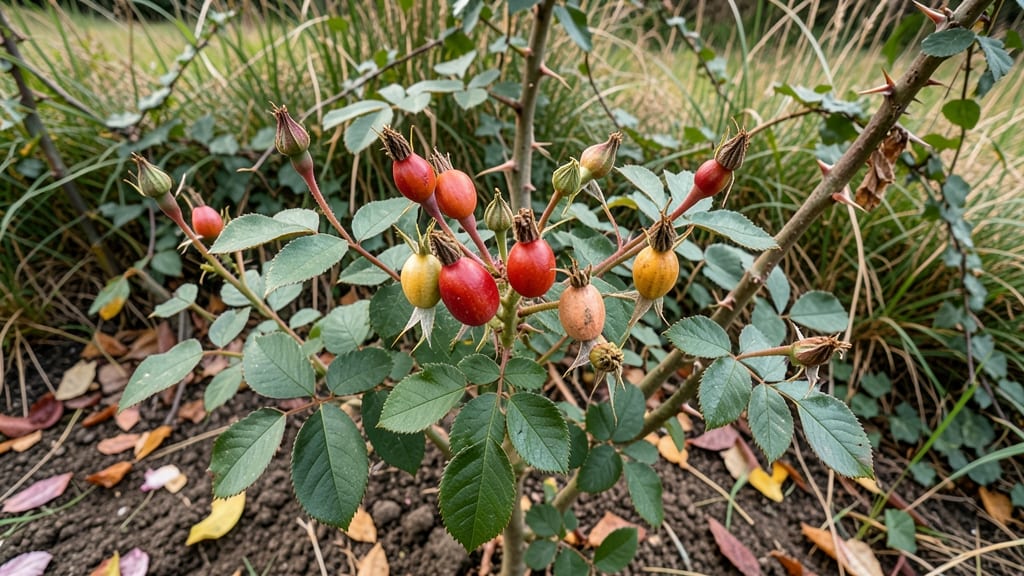
Those dried rose bush seed pods hold more than just seeds—they’re nature’s way of starting a new generation of roses. 🌱 The pods form after blooms fade, and while they’re not the fastest route to new plants, they’re a fascinating (and free) experiment for patient gardeners who love surprises.
The key to success lies in moisture triggers: soak the seeds for 24 hours before planting to break dormancy, then keep the soil consistently damp (not soggy) as they germinate. True-to-type roses? Rarely—most seeds grow into seedlings that won’t match the parent plant, but that’s part of the fun.
You’ll see sprouts in 3-6 weeks with proper care, though some may take months. The real reward isn’t the plants themselves but the process of watching tiny seeds transform into potential roses—even if they’re not the varieties you expected. For reliable results, pair this method with grafting or layering.
Here’s how to make the most of those seed pods while setting yourself up for success.
📚 In This Guide
- What you need
- Instructions
- Tips and common mistakes
- Wrapping up and next steps
What you need
- ● Rose seed pods: Fresh, mature pods from hybrid tea, floribunda, or shrub roses (collect from healthy, disease-free plants). Aim for 10–20 pods for a small batch.
- ● Well-draining potting mix: A seed-starting blend (e.g., 50% peat moss, 30% perlite, 20% vermiculite) or coconut coir. 1–2 gallons per batch.
- ● Seed trays or small pots: 2–4 inch deep with drainage holes. 12–24 cell trays work well for 10–20 seeds.
- ● Plastic wrap or humidity dome: To maintain moisture during germination.
- ● Spray bottle: For gentle watering (avoid over-saturating seeds).
- ● Grow lights or sunny windowsill: Provide 6–8 hours of indirect light daily.
- ○ Heat mat (optional but helpful): Keeps soil at 70–75°F to speed up germination.
- ● Scissors or pruners: For carefully opening seed pods.
- ● Labels & markers: To track seed varieties and planting dates.
- ● Stratification supplies: If seeds need cold treatment, use a refrigerator (set to 40°F) or a stratification chamber with moist sand/peat moss.
- ● Fungicide (e.g., hydrogen peroxide or cinnamon): Prevents mold in damp conditions.
- ● Compost or worm castings: Boosts nutrient-rich soil for seedlings.
- ● Transplanting pots (3–4 inch): For moving seedlings once they sprout.
- ● pH testing kit: Ensures soil pH is 6.0–6.5 (ideal for roses).
How to germinate rose bush seeds from pods
Here's the method I've perfected to coax rose seeds from pods into thriving seedlings—no shortcuts, just reliable moisture triggers.
🌱 Step 1: Extract and Prepare the Seeds
Harvest rose seed pods when they turn brown and dry in late fall or early winter. Split them open carefully with a knife—you'll find flat, oval seeds inside. Don't wash them; the outer coating contains natural inhibitors that need time to break down.
Place the seeds in a bowl and cover them with lukewarm water for 12-24 hours. This softens the hard outer shell and kickstarts germination. I like to use a clear bowl so I can monitor the seeds—they'll swell slightly and feel plumper to the touch when ready.
💧 Step 2: Stratify for Cold Treatment
Roses require cold stratification to break dormancy. Mix the soaked seeds with a moistened peat moss or coconut coir (keep it damp but not soggy). Place the mixture in a sealed plastic bag and refrigerate for 8-12 weeks at 35-45°F.
Check the bag weekly—if the mix feels dry, mist it lightly. You'll know stratification is working when the seeds begin to sprout tiny roots. This cold period mimics winter conditions and ensures strong, healthy seedlings. Don't rush it; patience here prevents weak, leggy growth later.
☀️ Step 3: Sow in Germination Medium
After stratification, fill small pots with a sterile seed-starting mix (not garden soil). Plant the seeds ¼ inch deep, spacing them 1 inch apart. I use 2-inch biodegradable pots because they're easy to transplant later without disturbing roots.
Cover the pots with plastic wrap or a humidity dome to retain moisture. Place them in a warm, bright spot (65-75°F) but avoid direct sunlight—young seedlings burn easily. Keep the soil consistently moist; the surface should feel damp but not wet. You'll see sprouts in 4-8 weeks, depending on the rose variety.
🌿 Step 4: Transition to Light and Air
The moment you see first true leaves (not the initial seed leaves), remove the plastic cover. This hardens the seedlings and prevents fungal issues. Move them to a south-facing window or under grow lights for 14-16 hours of light daily.
Watch for leggy growth—a sign of insufficient light. If stems stretch toward the window, adjust the light source within 2-3 inches of the seedlings. Strong seedlings have deep green leaves and sturdy stems. Thin weaker seedlings to leave the healthiest 2-3 per pot.
⏰ Step 5: Acclimate and Transplant
When seedlings reach 3-4 inches tall (usually 8-12 weeks after sowing), start hardening them off. Place them outdoors in partial shade for 1-2 hours the first day, gradually increasing time over 10-14 days. This prepares them for outdoor conditions.
Transplant to the garden after the last frost, spacing them 3-4 feet apart in well-draining soil. Roses need full sun and consistent moisture—water deeply once a week (or more in dry climates) and mulch to retain moisture. The first year focuses on root growth, so avoid heavy pruning until established.
Tips & tricks for germinating rose bush seed pods
These moisture-sensitive steps make all the difference between weak seedlings and thriving rose bushes.
Seed Selection: Only use seeds from fully mature, brown pods—green or partially dried pods won't germinate properly. I've learned the hard way that harvesting too early means wasted time and effort. Look for pods that open easily when dry and contain plump, oval seeds inside. The natural inhibitors in the seed coating are what trigger proper germination, so never wash them before soaking.
Stratification Temperature: The 8-12 week cold treatment at 35-45°F is non-negotiable for roses. I keep my seeds in the crisper drawer of my refrigerator where temps stay steady. If your fridge runs warmer, move them to a garage or unheated basement. You'll know it's working when you see tiny white roots sprouting—this is your cue that dormancy is broken and germination is imminent.
Light Management: During the 4-8 week sprouting phase, avoid direct sunlight—it burns delicate seedlings. Instead, use a south-facing window with sheer curtains or grow lights 2-3 inches above the pots. I've seen seedlings scorch within hours when exposed to harsh light. The goal is bright, indirect light that encourages strong stems without stressing the plants.
Transplant Timing: Wait until seedlings reach 3-4 inches tall before transplanting—this ensures they have strong enough roots to handle the shock. I've made the mistake of moving them too soon, which led to stunted growth. Harden them off gradually over 10-14 days by increasing outdoor exposure time daily. This mimics natural conditions and prevents transplant shock.
Pro Tips for Rose Bush Seed Pods
- These moisture-sensitive steps make all the difference between weak seedlings and thriving rose bushes.
- Seed Selection: Only use seeds from fully mature, brown pods—green or partially dried pods won't germinate properly.
- Stratification Temperature: The 8-12 week cold treatment at 35-45°F is non-negotiable for roses.
Frequently asked questions
Got questions about rose bush seed pods? You’re not alone! Here are some of the most common queries—plus clear, actionable answers to help you navigate germination, care, and troubleshooting like a pro.
What do rose bush seed pods look like, and how do I identify them?
Rose seed pods (also called hips) are small, oval-shaped, and typically turn bright red, orange, or deep purple when ripe. They’re fuzzy on the outside and contain the seeds inside. Look for them clustered at the base of rose blooms after flowers fade—just don’t confuse them with berries (which are toxic)!
How long does it take for rose bush seed pods to germinate?
Germination can take 3 weeks to 6 months, depending on moisture, temperature, and seed freshness. Cold stratification (chilling seeds for 4–8 weeks) mimics winter and often speeds up the process. Pro tip: Plant pods in fall for natural stratification or refrigerate them in a damp paper towel for 6–8 weeks before sowing.
Do rose seed pods need water to germinate, and how much?
Yes! Keep the soil consistently moist (not soggy) during germination. Water lightly every 2–3 days, ensuring the top inch of soil stays damp. Overwatering can cause rot, while underwatering halts growth. A spray bottle works well for delicate seedlings. Watch for wilting—it’s your cue to hydrate!
Can I grow roses from seed pods, or should I buy seeds?
Seed pods are free and fun to grow, but expect variable results—seedlings may not match the parent plant’s traits (color, fragrance, etc.). For hybrid roses, buying seeds guarantees consistency. If experimenting, collect pods from heirloom or wild roses for more predictable blooms.
Why aren’t my rose seed pods sprouting? Troubleshooting tips
Try these fixes if germination stalls:
- Lack of cold treatment: Stratify seeds (see above) to break dormancy.
- Poor soil: Use a light, well-draining mix (50% potting soil + 50% perlite).
- Low humidity: Cover seeds with plastic wrap or a humidity dome.
- Old seeds: Fresh pods germinate best—discard shriveled or moldy ones.
Patience is key—some seeds take months! If all else fails, try a new batch.
Wrapping up and next steps
Understanding the germination timeline of rose bush seed pods—and how moisture triggers play a role—can transform your gardening success! 🌱 With patience, the right conditions, and a little know-how, those tiny pods can grow into stunning, fragrant roses.
Now that you’re armed with insights, it’s time to put them into action.
Start by collecting seed pods from healthy roses, preparing them carefully, and giving them the moisture they crave. Keep a garden journal to track progress and adjust as needed. Your green thumb is closer than you think—just plant that first seed and watch nature work its magic!
Next steps:
- 🌱 Plant your prepped pods in well-draining soil and monitor moisture levels.
- 📅 Mark your calendar for follow-ups in 4–6 weeks (or longer, depending on conditions).
- 💬 Share your journey—tag us or join gardening communities for tips and encouragement!