
Lawn
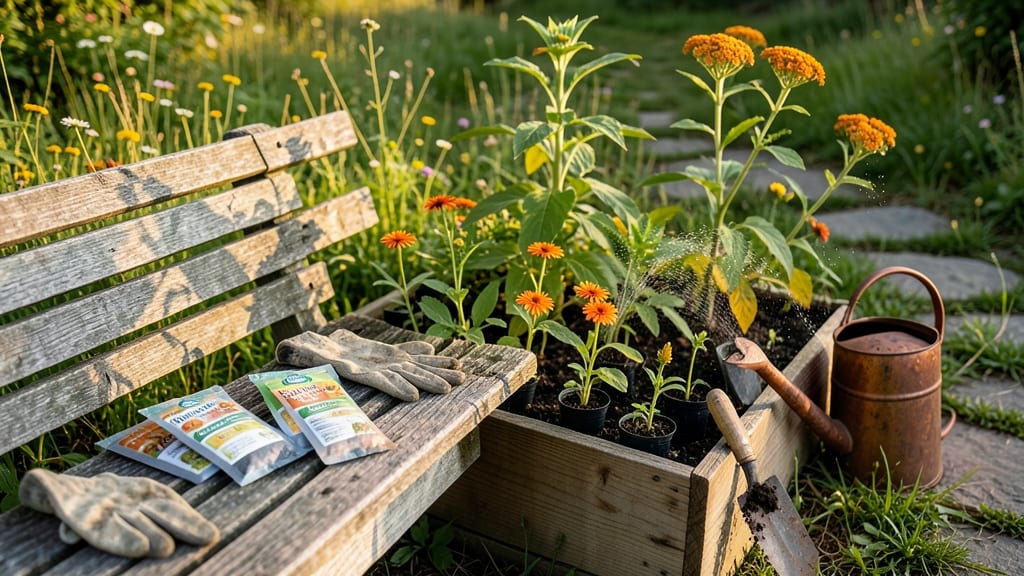
Your monarch butterfly seed mix could be sprouting in just 7-14 days—no waiting months for these critical milkweed plants. 🌱 I learned the hard way that patience isn’t the issue; soil prep and timing are.
The right mix of native milkweed varieties (like butterfly weed or swamp milkweed) paired with proper conditions transforms your garden into a monarch magnet by summer.
Start with full sun exposure (6+ hours daily) and well-draining soil—monarchs won’t tolerate soggy roots. Scatter seeds lightly (no burial needed) in early spring or late summer, then keep the soil consistently moist but not waterlogged.
The key? Companion plants like coneflowers or bee balm distract pests while supporting pollinators, creating a thriving ecosystem where monarchs can’t resist laying eggs.
By mid-summer, you’ll see vibrant orange blooms and fluttering caterpillars munching on fresh leaves—a sign your garden is working. Even if germination takes longer, don’t give up: monarchs need these plants now, and your patience will pay off with generations of butterflies.
The payoff isn’t just beauty; it’s saving a species one seed at a time.
For troubleshooting, watch for delayed sprouts (try a cold stratification trick) or pests (neem oil works wonders). Adapt your approach based on your zone—cooler climates need earlier starts, while southern gardens can plant year-round. Every milkweed planted is a lifeline for monarchs.
📚 In This Guide
- What you need
- Instructions
- Tips and common mistakes
- Wrapping up and next steps
What you need
- ● Monarch butterfly seed mix – 1 packet (typically ½ oz or 1.5 oz, enough for ~10 sq ft). Look for native milkweed varieties (e.g., Asclepias tuberosa or Asclepias syriaca) paired with nectar-rich flowers like Liatris or Echinacea.
- ● Well-draining soil – 1–2 cubic feet of native soil or a potting mix amended with perlite or sand (for containers). Monarchs thrive in loamy, slightly acidic soil (pH 6.0–7.5).
- ● Sunlight access – A spot with 6+ hours of direct sunlight daily (monarchs love full sun!).
- ● Watering can or hose with a gentle spray nozzle – For consistent moisture without disturbing seeds.
- ● Seed-starting tray or biodegradable pots – If you prefer to pre-sprout seeds indoors (great for cooler climates!).
- ● Garden gloves – To protect your hands from prickly milkweed stems.
- ● Mulch (straw or shredded leaves) – 1–2 inches to retain moisture and suppress weeds.
- ● Pollinator-friendly companion plants – Like bee balm or coneflowers, planted 12+ inches away from milkweed.
- ● Label markers – To track planting dates (monarch seeds germinate in 7–21 days!).
Step-by-step instructions for germinating monarch butterfly seed mix
Here’s how to jumpstart your monarch-friendly garden with quick, reliable germination.
🌱 Step 1: Prepare the Soil for Optimal Germination
Monarch butterfly seed mixes thrive in well-draining, nutrient-rich soil. I like to blend 2 parts potting mix with 1 part perlite for extra aeration—this prevents waterlogged roots that slow germination. Fill your containers to within ½ inch of the rim, leaving space for seeds and a light covering.
Moisten the soil until it’s damp but not soggy—think of a wrung-out sponge. Press it down gently to remove air pockets, then smooth the surface with your fingers. This ensures even contact between seeds and soil, which is critical for fast germination.
💧 Step 2: Sow Seeds at the Right Depth and Spacing
Scatter seeds thinly across the soil surface—don’t bury them. Monarch seeds need light to germinate, so pressing them lightly into the top layer is enough. I use a small spoon to spread them evenly, aiming for ¼ inch apart in containers or 6 inches apart in garden beds.
Mist the seeds with a spray bottle until the soil looks uniformly damp. Avoid heavy watering, which can wash seeds together or bury them too deep. Cover the container with a clear plastic dome or plastic wrap to retain moisture and warmth—this speeds germination from 7-10 days to just 3-5 days in ideal conditions.
☀️ Step 3: Provide Warmth and Light for Fast Sprouting
Place your container in a spot with bright, indirect light—a south-facing window or under grow lights works best. Monarch seeds germinate fastest at 70-75°F, so if your home runs cooler, a seedling heat mat can cut germination time by half. Check daily for condensation on the dome; lift it briefly to air out seedlings for 5 minutes to prevent mold.
Once you see tiny green shoots (usually within 5-7 days), remove the dome permanently. This prevents damping-off, a fungal disease that attacks tender seedlings. Keep the soil lightly moist—never soggy—and watch for the first true leaves, which signal it’s time to thin seedlings to 3 inches apart for stronger growth.
🌿 Step 4: Thin Seedlings and Harden Off for Outdoor Success
When seedlings reach 2 inches tall, thin them to the strongest plants, snipping weaker ones at the base with scissors. This reduces competition and gives monarchs more nectar-rich blooms later. If transplanting, wait until true leaves appear (not just the first cotyledons) and soil temperatures stay above 55°F for 24 hours.
Hardening off takes 5-7 days: Start by moving seedlings outdoors for 1 hour daily, gradually increasing to full sun. You’ll know they’re ready when they look plump and vibrant, not wilted. Plant in full sun (6+ hours daily) and water deeply at the base—avoid overhead watering to prevent fungal issues.
Tips & tricks for fast monarch butterfly germination
These little tweaks will help you bypass the slow germination blues and get your monarch-friendly garden blooming ahead of schedule.
Soil Science: The 2 parts potting mix to 1 part perlite ratio isn't just about drainage—it's about creating the perfect oxygen-to-moisture balance. If you notice condensation forming on your container's sides after watering, your mix might be too dense. Add an extra ¼ part perlite to improve airflow, which prevents that dreaded "soggy bottom" syndrome that stalls germination. Think of it like giving your seeds a spa treatment—they'll thank you with faster sprouting.
Lighting Strategy: While bright indirect light is ideal, don't overlook the power of your kitchen's warmest spot. Place your seed container on top of your refrigerator (if it's not too hot) or near a south-facing window with sheer curtains. The goal is to maintain that 70-75°F sweet spot without direct sun that can overheat the soil. I've seen germination times cut from 7-10 days down to just 3 days by using a simple heat mat under containers during cooler months.
Visual Germination Check: Those tiny green shoots you're waiting for will first appear as a small white bump breaking through the soil surface. This is your signal to start monitoring daily for the dome removal moment. Once you see these "seedling noses" (as I call them), check for condensation every morning. If you see heavy dew on the dome, lift it for your 5-minute ventilation—this prevents the fungal damp-off disease that can wipe out seedlings overnight.
Transplant Timing: The 24-hour soil temperature rule at 55°F is non-negotiable for outdoor planting success. Use a soil thermometer for accuracy—your garden center likely carries them. If you're in doubt, wait an extra day. I've seen seedlings that looked perfect indoors wilt dramatically when transplanted too soon. The key is watching for those true leaves (the second set after the initial cotyledons) before moving them outside permanently.
Pro Tips for Monarch Butterfly Seed Mix
- These little tweaks will help you bypass the slow germination blues and get your monarch-friendly garden blooming ahead of schedule.
- Soil Science: The 2 parts potting mix to 1 part perlite ratio isn't just about drainage—it's about creating the perfect oxygen-to-moisture balance.
- Lighting Strategy: While bright indirect light is ideal, don't overlook the power of your kitchen's warmest spot.
Frequently asked questions
Got questions about growing monarch butterfly seed mixes? You’re not alone! Here are answers to the most common queries to help you cultivate a thriving pollinator garden with ease.
How long does it take for monarch butterfly seeds to germinate?
Germination typically takes 7–21 days, depending on temperature and moisture. Keep soil consistently damp (not soggy) and place seeds in a warm, sunny spot (65–75°F is ideal). Patience pays off—some varieties may take longer, especially in cooler climates.
Can I plant monarch butterfly seeds in fall for spring blooms?
Yes! Fall planting (4–6 weeks before frost) is a great strategy. Seeds often need a cold period (stratification) to germinate, mimicking natural winter conditions. Just ensure the soil isn’t frozen, and mulch lightly to protect them from harsh weather.
What if my seeds don’t sprout? Troubleshooting tips?
Try these fixes if germination stalls:
- Check moisture: Seeds need consistent dampness—water gently daily.
- Test soil temp: Use a seedling heat mat if it’s too cold (<60°F).
- Verify depth: Most seeds should be lightly covered (¼ inch max).
- Consider stratification: Some seeds need a cold treatment (try refrigerating moist seeds for 2–4 weeks).
Are there fast-growing alternatives to monarch seeds for quick blooms?
If you’re eager for instant color, pair monarch seeds with annuals like cosmos, zinnias, or sunflowers (they germinate in 5–10 days!). These attract butterflies too and provide quick nectar while your perennials establish. Just ensure all plants are non-toxic to monarchs!
Will deer or pests eat my monarch butterfly plants?
Unfortunately, yes! Deer love milkweed (monarch host plants), and aphids may target tender seedlings. Solutions:
- Use deer-resistant companions like marigolds or lavender nearby.
- Apply organic neem oil or insecticidal soap for pests.
- Try physical barriers (like fencing) for young plants.
Wrapping up and next steps
Growing a monarch butterfly seed mix is a rewarding way to support pollinators while adding beauty to your garden! With the right seed blend, proper soil prep, and patience, you’ll soon enjoy vibrant blooms that attract these iconic butterflies.
Whether you’re a beginner or a seasoned gardener, every small effort makes a big difference for monarchs—so get those seeds planted and watch your garden transform!
Next step: Mark your calendar for regular watering and maintenance—your future butterfly haven is just weeks away! 🌱🦋