
Pests and Diseases
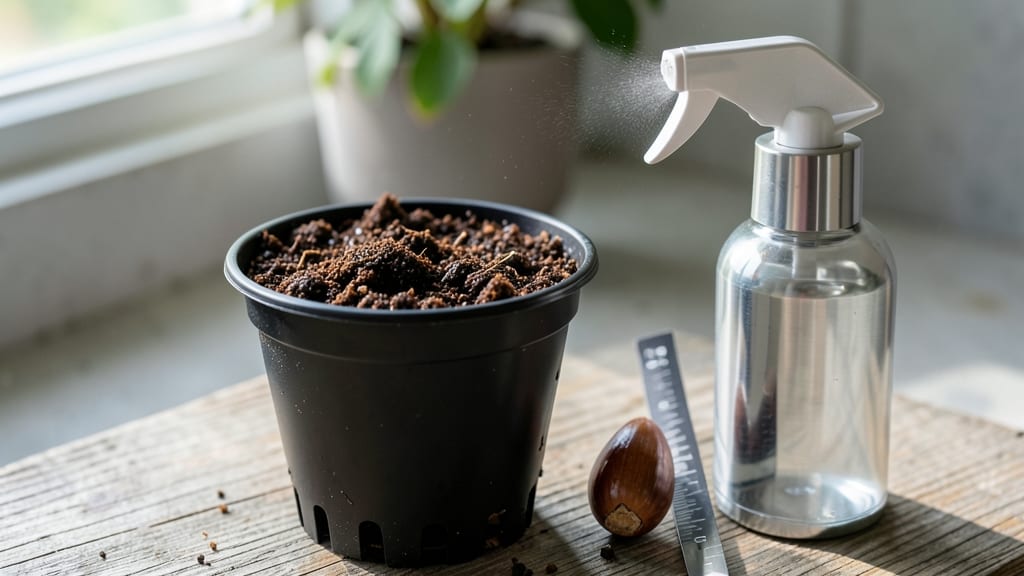
Planting a mango seed with the pointed side up is the single most important step for fast germination and healthy roots 🥭—skip it, and you risk weeks of waiting or even rot.
Picture this: you’ve just cracked open a juicy mango, cleaned the seed, and are ready to plant. But which way goes up? The answer isn’t just about luck—it’s about how water and oxygen reach the seed’s tiny root. Get it wrong, and your seedling might never break through the soil.
Most gardeners overlook this detail, but the pointed end holds the key to success. It’s where the root will emerge, and planting it down ensures the seed absorbs moisture efficiently.
Below, I’ll walk you through the exact steps—from seed prep to soil care—to give your mango tree the best start possible.
You’ll also learn what happens if you plant it upside down (spoiler: it’s fixable) and how to spot the first signs of life in just 2-4 weeks. Let’s get growing!


Mango seed germination: why the pointed end must face up (science explained)
When you crack open a mango seed, you’ll notice one end is naturally pointed while the other is flatter. This isn’t random—it’s your seed’s built-in germination guide. The pointed end contains the radicle (future root), while the flatter side holds the cotyledons (seed leaves).
Planting the pointed end upward ensures roots grow downward toward moisture and nutrients, just as nature intended.
The pointed end isn’t just a visual cue—it’s a biological advantage. When planted correctly, the radicle can absorb water and oxygen efficiently, triggering faster germination. This orientation also prevents the seed from rotting by keeping the micropyle (a tiny pore) positioned to breathe properly.
Think of it like a self-watering system designed by evolution.
Here’s the seed anatomy breakdown that explains why orientation matters:
| Seed Feature | Function | Why Orientation Matters |
|---|---|---|
| Pointed End (Radicle) | Future roots and water absorption zone | Must face down to grow toward moisture and nutrients. |
| Flatter End (Cotyledons) | Seed leaves for early photosynthesis | Must face up to access light once sprouted. |
| Micropyle (Tiny Pore) | Controls water and oxygen intake | Needs to stay above soil to prevent rot. |
| Seed Coat | Protects embryo from drying | Must remain intact until germination begins. |
The germination process begins when the radicle breaks through the seed coat, seeking water and oxygen in the soil. If planted upside down, the radicle grows upward, which is unnatural and weakens the seedling. This misalignment can cause delayed sprouting or even seed rot if the micropyle stays submerged.
Mango seeds, like many tropical seeds, rely on gravitropism—their ability to sense gravity and grow roots downward. The pointed end acts as a gravity sensor, ensuring roots develop correctly.
Without this orientation, the seedling may wilt or fail to establish a strong root system, setting it up for failure.
Even after germination, the cotyledons (the flatter end) will push upward toward light, while the roots dig deeper. This polarity is critical for the seedling’s survival.
If you’ve ever seen a crooked mango sapling, it’s likely because the seed was planted upside down, forcing the plant to grow against its natural instincts.
For best results, plant your mango seed in a well-draining mix of sandy soil and perlite, keeping the pointed end down and the flatter side upward. Place it in a warm, humid environment (like a propagator or clear plastic bag) to mimic tropical conditions.
Within 2-4 weeks, you should see the first signs of root growth.
If you’re still unsure which end is which, here’s a quick trick: the pointed end is often slightly softer and may have a tiny dent where the radicle will emerge.
This natural indentation is your cue to plant it downward. Ignoring this detail can turn a simple germination into a week-long wait—or worse, a failed attempt.
Understanding this seed science isn’t just for mangoes—it applies to many tropical seeds, including avocado and citrus. The pointed end is your secret weapon for faster, healthier germination. Now that you know the why, you’re ready for the how—and your mango seedling will thank you for it.
🌱
Step-by-step guide: how to plant a mango seed with perfect orientation
Planting a mango seed with the pointed end up is critical for successful germination. Unlike many seeds, mango seeds have a natural radicle (root) side that must face downward for roots to develop properly. Skipping this step can lead to rot or delayed sprouting, even if your seed is healthy.
Before planting, clean your mango seed thoroughly by removing any remaining fruit flesh. Let it dry for 24-48 hours to prevent fungal growth. This step ensures your seed starts with a clean slate and maximizes its chances of sprouting within 2-4 weeks.
Examine your mango seed closely. The pointed end is where the radicle (root) will emerge. This is typically the narrower, tapered side of the seed.
Use a well-draining potting mix (50% peat moss, 30% perlite, 20% coconut coir). Fill a small pot (4-6 inches deep) with the mix and moisten it lightly—it should feel like a damp sponge, not soggy.
Place the seed pointed end down into the soil. Bury it 1 inch deep—any deeper risks suffocation, while shallower planting may expose it to drying out.
Water the soil until it’s consistently moist but not waterlogged. Use a spray bottle for the top layer to avoid displacing the seed. Aim for 60-70% humidity around the pot.
Mango seeds thrive in warmth (75-85°F). Place the pot in a bright, indirect light spot, like a south-facing window, or use a seedling heat mat if temperatures drop below 65°F.
Check soil moisture daily. Let the top ½ inch dry out between waterings to prevent rot. Overwatering is the #1 killer of germinating mango seeds.
Once your seed sprouts (usually in 2-4 weeks), move it to a larger pot with full sun exposure. If you notice yellowing leaves or slow growth, adjust your watering or check for root rot—a common issue with overwatered seeds.
Pro tip: Cover the pot with a clear plastic dome or plastic wrap to retain humidity during germination. Remove it once sprouts appear to prevent mold. Patience is key—your mango seedling may take 3-6 years to bear fruit, but correct planting ensures a strong start.