
Propagation
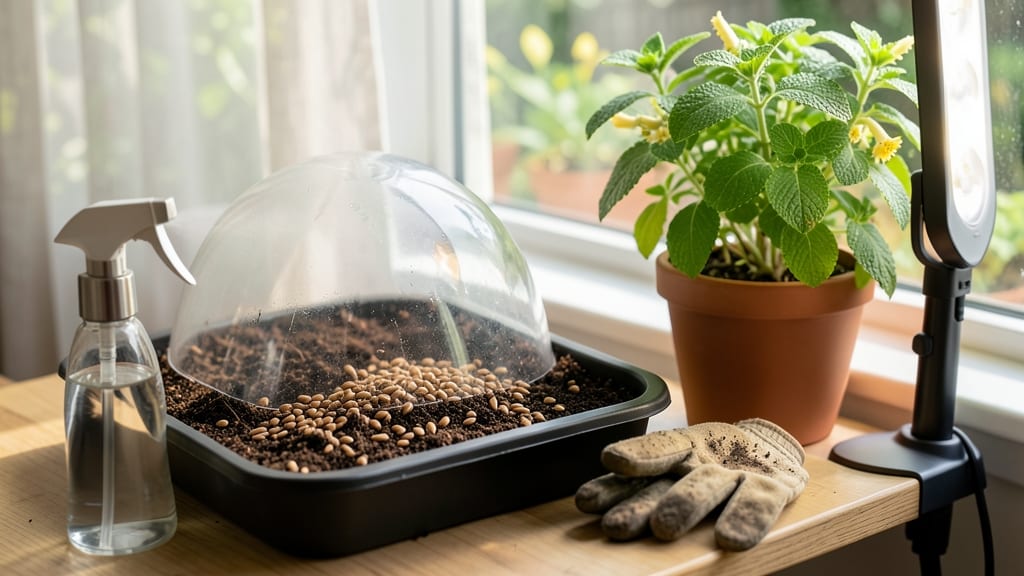
The secret to lemon balm seed germination isn't patience—it's cold stratification. 🌱 I've struggled with slow, spotty sprouts until I discovered this method that turns stubborn seeds into vigorous seedlings in just 2-3 weeks. The key? Mimicking winter's chill period before spring warmth kicks in.
You'll need a simple setup: damp paper towels, a sealed bag, and your fridge. No fancy equipment, just a little science. The process takes about 4 weeks total, but the payoff is worth it—thick, fast-growing seedlings that outpace store-bought plants.
I've had my first true leaves within 10 days of planting the stratified seeds. Once those sprouts appear, they grow shockingly fast.
You'll be pinching back leggy stems by week 5, and by summer, your lemon balm will spread like wildfire—perfect for borders, containers, or even pest control in the veggie patch. The scent alone makes it worth growing. For best results, keep soil consistently moist but not soggy.
Overwatering is the #1 killer of young lemon balm. If seeds take longer than 3 weeks, try a second batch—they're notoriously slow starters when not properly stratified.
📚 In This Guide
- What you need
- Instructions
- Tips and common mistakes
- Wrapping up and next steps
What you need
- ● Lemon balm seeds: 1–2 packets (50–100 seeds total) – fresh seeds (current year) germinate best!
- ● Cold stratification setup: 1 resealable plastic bag (quart-size or larger)
- ● 1 paper towel or coffee filter (cut to fit seeds)
- ● 1 spray bottle (with water) for moisture control
- ● Refrigeration: Fridge with a crispier drawer (ideal temp: 34–40°F / 1–4°C)
- ● Germination containers: 1 seed tray or shallow container (with drainage holes)
- ● 1–2 inches of well-draining potting mix (peat-free or coco coir blend recommended)
- ○ Heat mat (optional but helpful): Germination mat (set to 70–75°F / 21–24°C) for post-stratification warmth.
- ● Misting spray bottle or fine-mist watering can for gentle hydration.
- ● Humidity dome or clear plastic wrap to retain moisture during early sprouting.
- ● Grow lights: LED or fluorescent (12–16 hrs/day) if natural light is weak.
- ● pH meter (ideal soil pH: 6.0–7.0 for lemon balm).
- ● Label markers to track stratification dates and seed varieties.
Step-by-Step instructions for germinating lemon balm seeds
Cold stratification is the secret weapon for breaking lemon balm's stubborn seed coat and unlocking fast, vigorous germination.
🌱 Step 1: Soak Seeds for 24 Hours
Place your lemon balm seeds in a small bowl and cover them with lukewarm water for 24 hours. This softens the tough outer shell and kickstarts hydration before stratification. I like to use a shallow dish so seeds don't sink to the bottom—just enough water to fully submerge them while still being able to see them clearly.
After 24 hours, drain the water and let the seeds sit uncovered for 10-15 minutes to prevent mold. You'll notice the seed coats may look slightly plump or even crack open—this is your first sign they're ready for the next step. If they stay hard after soaking, give them another 12 hours in fresh water before proceeding.
❄️ Step 2: Cold Stratify for 4-6 Weeks
Line a resealable plastic bag with a damp paper towel—just enough moisture to keep it damp but not dripping. Sprinkle the soaked seeds evenly across the towel, spacing them 1 inch apart to prevent crowding. Seal the bag and place it in your refrigerator's crisping drawer, where temperatures hover around 35-40°F.
Check the seeds every 7-10 days to ensure the paper towel stays moist but not soggy. You'll see tiny white roots emerge first—this is the signal you've cracked the stratification code. Some seeds may sprout during this phase, but don't rush them out of the fridge. The cold treatment ensures uniform germination, so patience here pays off with stronger seedlings.
☀️ Step 3: Prepare Germination Trays
While seeds stratify, fill a seed-starting tray with well-draining potting mix (I use a blend of 50% peat moss and 50% perlite for lemon balm). Moisten the mix until it's damp to the touch but not saturated—think of a wrung-out sponge. Press down lightly to create a firm surface, then make small ¼-inch-deep indentations with your finger, spacing them 1 inch apart.
Place the tray in a warm spot (70-75°F) where it will stay consistently warm after planting. A seedling heat mat under the tray helps maintain this temperature, especially if your home runs cooler. Keep the tray covered with a clear plastic dome or plastic wrap to retain humidity—this mimics the moist conditions seeds prefer for germination.
🌱 Step 4: Plant Stratified Seeds
After 4-6 weeks of stratification, remove the seeds from the fridge and gently plant them in the prepared indentations. Cover them with a thin layer of soil—just enough to hold them in place without burying them too deep. Lemon balm seeds are tiny, so I use a small spoon or my fingertip to avoid disturbing them.
Mist the soil surface lightly with water to settle it around the seeds, then replace the plastic dome. Place the tray in bright, indirect light (12-14 hours daily)—avoid direct sun, which can overheat the soil and dry out the seeds. You'll see the first sprouts emerge in 7-14 days, though some seeds may take up to 3 weeks to break through.
💧 Step 5: Care for Germinated Seedlings
Once seedlings appear, remove the plastic dome immediately to prevent damping-off disease. Keep the soil consistently moist but never soggy—water from the bottom by placing the tray in a shallow dish of water for 10-15 minutes, then drain excess. You'll know moisture is right when the soil surface looks slightly damp but not glistening.
When seedlings develop 2-3 sets of true leaves (about 4-6 weeks after planting), they're ready to transplant. Harden them off by placing them outside in a shaded spot for 1-2 hours daily over 5-7 days before moving to their permanent location. Lemon balm thrives in partial shade to full sun, but young plants appreciate gradual sun exposure.
Tips & tricks for perfect lemon balm germination
These expert strategies will help you bypass common pitfalls and achieve those fast, reliable sprouts lemon balm deserves.
Soaking Success: For the 24-hour soak in Step 1, use a mesh strainer or fine sieve instead of a bowl to prevent seeds from sinking completely. This keeps them visible and ensures even hydration. After draining, I place the seeds on a clean paper towel to dry for those critical 10-15 minutes—this prevents mold while maintaining moisture balance. If seeds remain hard after the initial 24 hours, the extra 12 hours in fresh water works wonders, but don't exceed 36 hours total or risk weakening the seed viability.
Stratification Strategy: The 4-6 week cold treatment in Step 2 is non-negotiable for lemon balm's stubborn seed coat. I store my seeds in the fridge's crisper drawer where temperatures consistently stay between 35-40°F—this mimics natural winter conditions. For extra security, place a small thermometer in the bag to monitor temps. Some seeds may sprout during stratification, but resist the urge to plant them early. The cold period ensures uniform germination and stronger root development.
Lighting Logic: During the germination phase in Step 4, bright indirect light is crucial. I position my seed trays near a north-facing window or under grow lights set to 12-14 hours daily. Direct sunlight can overheat the soil and dry out the seeds, while too little light leads to leggy, weak seedlings. A simple trick: if your seedlings start stretching toward the light, they're not getting enough intensity—adjust your light source immediately.
Transplant Timing: When your seedlings develop 2-3 sets of true leaves (about 4-6 weeks after planting), they're ready for transplanting. I harden them off gradually by placing them outside in shade for just 1-2 hours daily over 5-7 days. This prevents shock while preparing them for their permanent location. Lemon balm thrives in partial shade to full sun, but young plants appreciate this gradual introduction to outdoor conditions.
Pro Tips for Lemon Balm Seed Germination
- These expert strategies will help you bypass common pitfalls and achieve those fast, reliable sprouts lemon balm deserves.
- Soaking Success: For the 24-hour soak in Step 1, use a mesh strainer or fine sieve instead of a bowl to prevent seeds from sinking completely.
- Stratification Strategy: The 4-6 week cold treatment in Step 2 is non-negotiable for lemon balm's stubborn seed coat.
Frequently asked questions
Got questions about germinating lemon balm seeds? You’re not alone!
Here are answers to the most common queries—from timing tricks to troubleshooting tips—so you can grow lush, thriving plants with confidence.
How long does cold stratification take for lemon balm seeds?
Cold stratification typically lasts 4–6 weeks in the fridge (35–40°F). Place moist seeds in a sealed bag with damp peat moss or paper towels, then check weekly for mold. Pro tip: If seeds sprout earlier, don’t panic—just transfer them to soil immediately!
Can I skip cold stratification and still get germination?
While possible, success rates drop dramatically. Lemon balm seeds are dormant and often need this step to break dormancy. If you’re impatient, try soaking seeds in warm water for 24 hours before stratifying—it can speed up the process slightly. Still, stratification is your best bet for reliable sprouts.
What’s the best soil mix for germinating lemon balm seeds?
Use a light, well-draining mix like:
- 50% peat moss or coco coir
- 30% perlite or vermiculite
- 20% compost or worm castings
Why aren’t my lemon balm seeds sprouting after stratification?
Common culprits:
- Too cold/warm: Ideal germination temp is 65–75°F. Use a seedling heat mat if needed.
- Dry soil: Seeds need consistent moisture—mist lightly daily.
- Old seeds: Lemon balm seeds lose viability after 1–2 years.
How deep should I plant lemon balm seeds?
Plant seeds ¼ inch deep—just enough to cover them lightly. Lemon balm seeds need light to germinate, so avoid burying them. After sowing, gently press soil over them and mist with water. A clear plastic dome or bag can help retain humidity until sprouts appear.
Wrapping up and next steps
Growing lemon balm from seed is a rewarding journey—especially when you harness the power of cold stratification to unlock faster, more reliable germination! 🌱 With the right materials, patience, and a few simple steps, you’ll soon be enjoying lush, fragrant plants for tea, cooking, or pollinator gardens.
Now that you’re armed with the know-how, there’s no better time to start your seeds and watch your garden thrive.
🌿 Next Steps:
- Plant your stratified seeds in well-draining soil and keep them cozy under grow lights or in a sunny window.
- Monitor moisture levels and thin seedlings as needed for stronger growth.
- Share your progress! Tag us or fellow gardeners—your success might inspire others to try lemon balm too!