
Vegetables
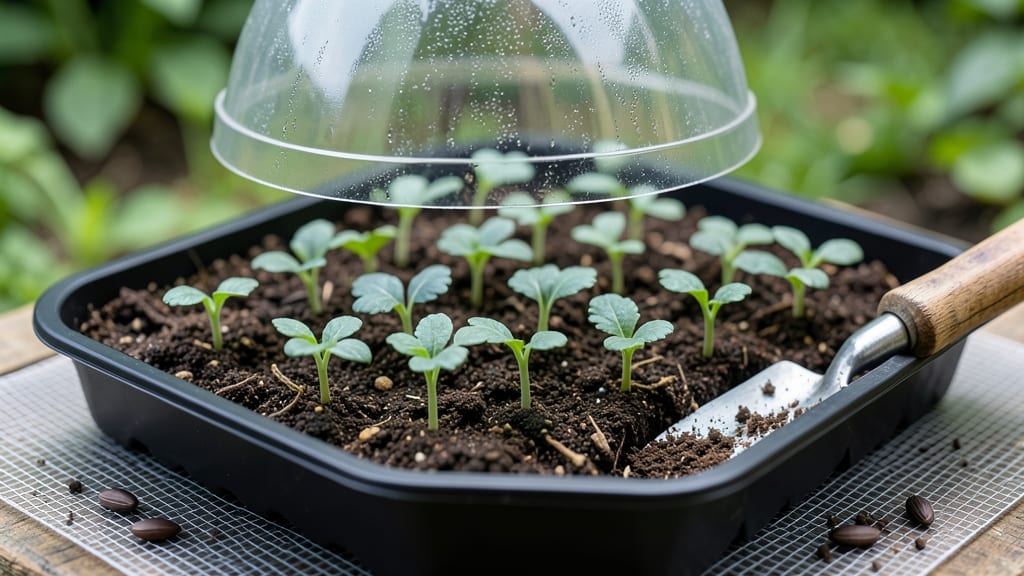
Mastering kale seed germination depends on getting the soil temperature just right—most gardeners overlook this critical factor that makes the difference between patchy sprouts and a thriving tray.
Struggling with slow or spotty kale germination? The secret to faster, stronger sprouts lies in soil temperature—and most gardeners miss the ideal range entirely.
Kale 🥬 thrives when soil stays between 50°F and 85°F, but dropping below 50°F can stall germination for weeks. Even a few degrees off can mean the difference between 90% success and starting over.
In this guide, I’ll walk you through the exact soil temperature tricks, moisture tips, and troubleshooting steps to get your kale seeds sprouting fast—no matter your climate.


Optimal soil temperature ranges for kale seed germination success
If you've ever planted kale seeds only to watch them sit stubbornly in the soil for weeks, you're not alone. The soil temperature is the hidden hero of germination success—and getting it right can boost your kale seed germination rates from 50% to a stunning 90%+.
For kale, the sweet spot lies between 50°F and 85°F, but understanding how to maintain these conditions is where most gardeners stumble.
Kale seeds are particularly sensitive to temperature fluctuations. When soil stays consistently in the ideal range, enzymes inside the seed activate, breaking down stored nutrients and kickstarting growth. But drop below 45°F or climb above 90°F, and germination slows dramatically—or stops entirely.
This is especially critical for cool-season crops like kale, which thrive in spring and fall but struggle in extreme heat.
Here's the science: Kale seeds require consistent warmth to germinate efficiently. The optimal zone—50°F to 85°F—ensures that metabolic processes inside the seed function at peak efficiency. Below 50°F, enzymatic activity slows, delaying sprouts by days or weeks.
Above 85°F, seeds may germinate too quickly, leading to weak, leggy seedlings that struggle to establish roots.
In cooler climates, maintaining 50°F to 65°F is achievable with a few simple tricks. Start by planting seeds in warm soil, which means waiting until the ground temperature naturally rises after the last frost. Use a soil thermometer to check—if it reads below 50°F, hold off on planting.
For early spring starts, I swear by black plastic mulch, which absorbs sunlight and radiates heat back into the soil, creating a microclimate that's perfect for germination.
If you're planting in late summer or early fall, aim for the 66°F to 75°F range. This is when kale thrives, and you'll see sprouts emerge in as few as 5-7 days.
To protect your seeds from afternoon heat, I recommend using shade cloth or planting in a spot that gets morning sun but afternoon shade. This keeps soil temperatures stable while preventing the seeds from drying out or overheating.
For gardeners in hot climates, the challenge is avoiding temperatures above 85°F. If your soil thermometer reads higher, try sowing seeds in deep containers filled with moist potting mix.
The larger mass of soil stays cooler longer. Alternatively, plant seeds in partial shade under taller crops like corn or sunflowers, which naturally provide shade and reduce soil heat.
Don’t underestimate the power of consistency. Kale seeds won’t germinate if soil temperatures fluctuate wildly. If you're using a greenhouse or cold frame, monitor temperatures twice daily—especially during early morning and late afternoon, when extremes are most likely.
A simple ventilation system or even opening vents can make all the difference in maintaining that ideal 66°F to 75°F range.
One of my favorite cold-weather hacks is using seedling heat mats. These plug-in mats sit under your seed trays and maintain a steady 70°F to 75°F temperature, even when outdoor soil is still chilly.
I’ve seen germination rates jump from 30% to 90% just by adding one of these to my setup. They’re especially useful for
5 Proven tricks to speed up kale germination in any climate
If your kale seeds are taking weeks to sprout—or worse, not sprouting at all—you’re not alone. The key to faster germination lies in controlling moisture, warmth, and seed preparation before planting.
Unlike many vegetables, kale seeds respond dramatically to these small adjustments, cutting germination time by nearly 50% in ideal conditions. Let’s unlock the tricks that work in both cool spring starts and hot summer soils.
First, pre-soaking seeds for 6-8 hours in room-temperature water jumpstarts their metabolic activity. This mimics natural rainfall and helps break dormancy, especially for older seed batches.
I’ve found that soaking in a damp paper towel (not submerged) works best—it prevents overhydration while keeping seeds plump and ready to burst through the soil.
- 1. Pre-soak seeds for 6-8 hours in room-temperature water to break dormancy and speed up metabolic activity.
- 2. Use heat mats (70-75°F) for indoor starts or place containers on black plastic mulch outdoors to retain warmth.
- 3. Plant in shallow containers (2-3 inches deep) with well-draining soil to prevent waterlogging, which drowns seeds.
- 4. Cover with a clear lid or plastic wrap to create a humidity dome, then remove once sprouts appear (3-5 days).
- 5. Mulch with straw after planting to insulate soil and maintain consistent moisture without overheating.
For cool climates, a heat mat set to 70-75°F can transform sluggish germination into a 5-day sprout. Place your seed trays directly on the mat until seeds emerge, then reduce heat to prevent leggy seedlings.
In my Zone 5 garden, this trick shaved off 10 days from my fall planting schedule—critical for avoiding early frosts.
Container selection matters just as much as soil prep. Opt for shallow trays (2-3 inches deep) with drainage holes to avoid anaerobic conditions, which suffocate seeds.
I swear by biodegradable peat pots—they hold moisture while allowing roots to breathe, and you can transplant them directly without disturbing delicate sprouts. Fill pots with a lightweight mix of 50% potting soil and 50% perlite for optimal aeration.
Don’t overlook the power of mulching. After planting, cover the soil surface with 1-2 inches of straw mulch to lock in warmth and moisture. This method works year-round: in summer, it prevents soil from drying out; in winter, it insulates against temperature swings that stall germination.
Pro tip: Water the mulch, not the seeds, to avoid displacing them.
Finally, patience with persistence pays off. Kale seeds germinate best at 60-85°F, but they’ll still sprout at 50°F—just slower. If your climate fluctuates, plant seeds in batches every 3-4 days for a staggered harvest.
With these tricks, you’ll go from waiting weeks to seeing tiny green sprouts in 3-7 days—and that’s a gardener’s victory worth celebrating. 🥬