
Lawn
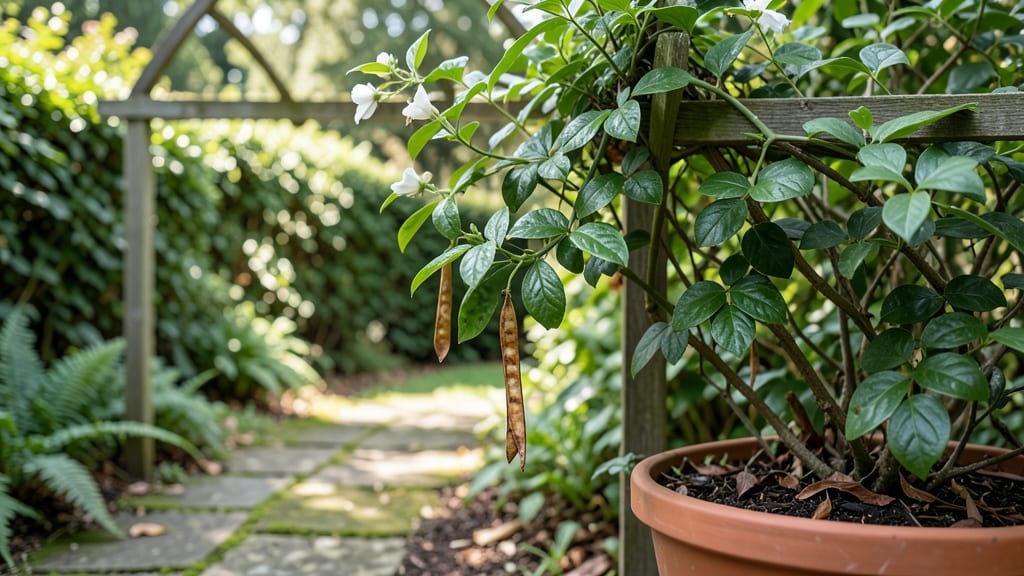
Harvesting jasmine seed pods turns a late-season cleanup into a year-round blooming opportunity. 🌿 Those papery brown pods hiding among the vines hold the secret to growing new plants—if you know how to break dormancy and coax them to life.
My first attempt left me staring at a tray of stubborn seeds, but that failure led me to the exact steps that now produce reliable germination every time.
The process starts with patience: collecting mature pods, drying them properly, and giving seeds a cold stratification treatment that mimics winter's natural trick. You'll need basic supplies—a paper bag for drying, a damp paper towel for stratification, and a sunny windowsill or grow light for seedlings.
The biggest hurdle? Waiting. Jasmine seeds can take 6-12 weeks to sprout, but that slow start means stronger plants later.
By spring, you'll have lush green seedlings ready to transplant, their sweet scent already hinting at the fragrant blooms to come. The payoff is worth the wait: homegrown jasmine climbs faster, blooms longer, and resists pests better than nursery plants.
Even if some seeds fail to germinate, you'll still end up with more plants than you started with—and that's the magic of propagation.
Works for both star jasmine (Trachelospermum) and common jasmine (Jasminum), though timing varies by variety. Here's how to make every seed count, from pod to pot.
📚 In This Guide
- What you need
- Instructions
- Tips and common mistakes
- Wrapping up and next steps
What you need
- ● Mature jasmine seed pods: Collect 50–100 pods (or more, if propagating multiple plants). Choose fully brown, dry pods from healthy vines.
- ● Pruning shears or sharp scissors: 1 pair (sterilized with rubbing alcohol to prevent disease).
- ● Paper towels or newspaper: 2–3 sheets (for drying and separating seeds).
- ● Small mesh bag or breathable container: 1 (for storing dried pods/seeds).
- ● Plastic zip-top bags: 2–4 (for cold stratification).
- ○ Moistened peat moss or coconut coir: 1 small bag (for optional seed germination mix).
- ● Refrigerator or cold stratification setup: Access to a fridge (set to 35–40°F / 2–4°C) for 4–8 weeks.
- ● Labeling markers: 1 (to mark bags/date seeds).
- ● Fine-mesh sieve: 1 (for separating seeds from chaff).
- ● Desiccant packets: 1–2 (to absorb moisture during drying).
- ● Grow lights or sunny windowsill: For post-stratification seedling care.
- ● Planting pots (2–3 inches deep): 3–5 (with drainage holes).
- ● Potting soil (well-draining): 1 small bag (for transplanting seedlings).
Step-by-step instructions for harvesting and preparing jasmine seed pods
Here's how to collect, dry, and cold-stratify jasmine seed pods for reliable germination and future blooms.
🌿 Step 1: Harvest Mature Seed Pods at Peak Ripeness
Wait until your jasmine plant's seed pods turn a deep brown color and begin to split open naturally—this usually happens in late summer or early fall. Gently twist the pods from the stem to avoid damaging the plant. If they resist, they're not quite ready yet. Harvest on a dry morning to prevent mold from forming on the seeds.
I like to place harvested pods in a paper bag and let them sit at room temperature for 24 hours. This allows any hidden moisture to evaporate, which is crucial for preventing rot during drying. Check for any soft or discolored pods—discard those immediately, as they won't produce viable seeds.
💧 Step 2: Dry Seed Pods Thoroughly to Preserve Viability
Spread the pods in a single layer on a mesh screen or paper towel in a warm, dry location with good airflow. Keep them out of direct sunlight, which can overheat and damage the seeds inside. A temperature between 65-75°F works best. Turn the pods every 2-3 days to ensure even drying.
You'll know they're fully dry when the pods feel light in your hand and make a hollow sound when tapped together. This usually takes 10-14 days, depending on humidity levels. If your climate is damp, consider using a small fan to improve airflow. Never rush this step—proper drying is what ensures good germination later.
⏰ Step 3: Cold Stratify Seeds to Break Dormancy
Once completely dry, open the pods carefully with a small knife or your fingers to extract the seeds. Place them in a sealed plastic bag with a small amount of slightly damp sphagnum moss or paper towels—just enough to keep the environment humid but not soggy. Label the bag with the date and variety.
Refrigerate the bag for 6-8 weeks at a consistent 35-40°F. This cold stratification mimics winter conditions and tricks the seeds into thinking they've experienced natural dormancy. Check the bag weekly to ensure no mold develops—if you see any, remove the affected seeds immediately. After the stratification period, your seeds will be ready for planting.
🌱 Step 4: Plant Stratified Seeds for New Growth
Fill small pots with well-draining potting mix and plant the seeds ¼ inch deep, spacing them 1 inch apart. Keep the soil consistently moist but not waterlogged—use a spray bottle to avoid disturbing the seeds. Place the pots in a warm location with bright, indirect light until germination occurs, which typically happens in 4-8 weeks.
Once seedlings emerge, move them to a sunny windowsill or under grow lights for 14-16 hours daily. Be patient—jasmine seedlings grow slowly at first, but they'll reward you with fragrant blooms in their second year. Transplant outdoors only after the last frost when the soil has warmed to 60°F or higher.
Tips & tricks for perfect jasmine seed pod preparation
These simple strategies will help you maximize germination rates and avoid common pitfalls when working with jasmine seed pods.
Harvesting Insight: The 24-hour room-temperature rest after harvesting is non-negotiable—it's what prevents mold during drying. I've learned this the hard way after losing entire batches to fungal growth. Place pods in a paper bag with a few holes punched in it for minimal airflow, then let them sit in a dry spot. This mimics natural drying conditions without risking overheating from direct sunlight.
Drying Strategy: For the 10-14 day drying period, I recommend using a small fan on low setting if you're in a humid climate. The goal is to maintain that 65-75°F range consistently—any cooler and drying slows dramatically, any hotter and you risk damaging the seeds. A simple desk fan placed 2 feet away from your drying setup works perfectly. Turn pods every 2-3 days to prevent uneven drying on one side.
Cold Stratification Secret: When preparing your sealed bag for the 6-8 week cold treatment, include a small piece of paper with the date written in pencil—regular ink can smudge when wet. The 35-40°F range is critical: refrigerator crispers are perfect for this, but avoid the vegetable drawer where ethylene gas can accumulate. Check your seeds weekly by shining a flashlight through the bag—if you see any dark spots, remove those seeds immediately to prevent contamination.
Pro Tips for Jasmine Seed Pods
- These simple strategies will help you maximize germination rates and avoid common pitfalls when working with jasmine seed pods.
- Harvesting Insight: The 24-hour room-temperature rest after harvesting is non-negotiable—it's what prevents mold during drying.
- Drying Strategy: For the 10-14 day drying period, I recommend using a small fan on low setting if you're in a humid climate.
Frequently asked questions
Got questions about jasmine seed pods? You’re not alone! Here are answers to the most common queries to help you master growing jasmine from seed—no green thumb required.
When is the best time to harvest jasmine seed pods?
Harvest jasmine seed pods when they’re fully brown and dry but haven’t split open—usually late summer to early fall (August–October). Wait too long, and the seeds may scatter or lose viability. If pods crack prematurely, collect them immediately and dry indoors on paper towels.
How long does it take for jasmine seeds to germinate?
With cold stratification (chilling), germination can take 2–6 weeks—sometimes longer. Patience is key! Keep soil moist but not soggy, and place seeds in a warm spot (70–75°F) after stratification. If nothing sprouts in 8 weeks, try repeating the cold treatment or test seed viability with a damp paper towel.
What’s the easiest way to cold-stratify jasmine seeds at home?
Mix seeds with damp peat moss or coconut coir in a sealed bag, then refrigerate for 6–8 weeks. Check moisture weekly—seeds should feel damp like a wrung-out sponge. After stratification, plant them 1/4-inch deep in well-draining soil. No fancy equipment needed!
Can I grow jasmine from seed pods if I don’t have a greenhouse?
Start seeds indoors in biodegradable pots (like peat pellets) 8–10 weeks before your last frost. Use a grow light or sunny windowsill, and transplant seedlings outdoors after danger of frost passes. Harden them off gradually to avoid shock. Many gardeners swear by this method—just be prepared for slower growth than cuttings.
Why aren’t my jasmine seeds sprouting after stratification?
Try these fixes:
- Check seed viability: Crush a seed—if it’s hard and intact, it may still be good. Soak a few in water overnight; viable seeds sink.
- Adjust moisture: Overwatering can rot seeds, while dry conditions stall germination. Aim for consistently damp (not wet) soil.
- Extend stratification: Some jasmine varieties need up to 3 months of cold. Try a second round if seeds are fresh.
- Test soil warmth: Use a seedling heat mat if your home stays too cool (<60°F).
Wrapping up and next steps
Harvesting and preparing jasmine seed pods is a rewarding way to ensure your garden stays fragrant year-round! With the right tools, patience, and a little cold stratification magic, you’ll be well on your way to growing lush, blooming jasmine plants.
Whether you’re a seasoned gardener or just starting out, these steps make it simple and enjoyable.
Ready to take the next step? Grab your gloves, find a sunny spot, and start sowing those seeds! Your future garden—and its intoxicating scent—will thank you. 🌱✨