
Vegetables
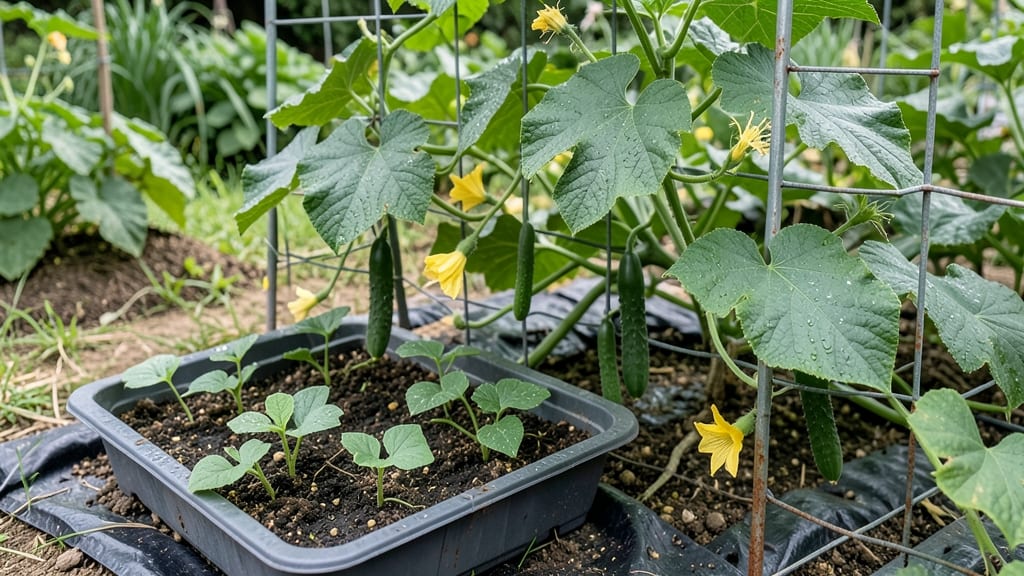
Growing Japanese burpless cucumber seeds yields sweet, seedless cucumbers free of bitterness when planted in warm soil (70°F+), sown 1 inch deep, and spaced 12-24 inches apart. Vigorous pruning boosts production and prevents overcrowding, while consistent moisture and partial shade in hot weather keep flavors perfect.
These seeds are specifically bred to eliminate bitterness by reducing cucurbitacin compounds, which develop when plants stress from heat or drought. 🌱 The seedless trait comes from parthenocarpy—a genetic quirk that lets fruits form without pollination.
For best results, I start seeds indoors 3-4 weeks before the last frost, then transplant after soil warms to avoid early stress. A trellis system not only saves space but also improves airflow, reducing disease risks that can trigger bitterness.
The key is balancing sun exposure—too much direct heat stresses plants, while partial shade in peak afternoon hours keeps them thriving.
Harvesting at the right stage is critical: pick fruits when they're 6-8 inches long for maximum sweetness. Overripe cucumbers develop bitter compounds, so I check plants daily during peak growing season.
For extra yield, I pinch off early flowers to redirect energy to the main vines, a technique that works wonders for burpless varieties.
💡 In This Article
- Why Japanese Burpless Cucumbers Stay Sweet and Seedless
- Step-by-Step Planting and Care Guide for Burpless Varieties
Why japanese burpless cucumbers stay sweet and seedless
The secret behind these cucumbers' signature sweetness lies in their genetic modification to suppress cucurbitacin compounds—bitter-tasting chemicals plants produce as a natural defense against pests. Japanese breeders developed varieties with 90% lower cucurbitacin levels than traditional cucumbers, making them naturally palatable even when stressed.
This genetic tweak works because the plants prioritize growth over defense mechanisms, resulting in that signature mild, refreshing flavor we all love.
For seedlessness, these cucumbers use a process called parthenocarpy, where fruits develop without fertilization. This happens when the plant's hormones trigger fruit formation in response to environmental cues like temperature and light, rather than pollination.
The result? Crisp, hollow fruits perfect for slicing without the fibrous seeds found in heirloom varieties. 🌿 What's fascinating is that this trait is temperature-sensitive—ideal growth occurs between 70-85°F, where parthenocarpy functions most efficiently.
The soil temperature plays a crucial role in maintaining this sweet profile. When soil stays below 65°F, cucurbitacin production ramps up as a stress response, while temperatures above 90°F can cause the fruits to become hollow or develop a slightly bitter aftertaste.
This is why gardeners in hot climates often use shade cloth during peak afternoon hours—it keeps soil temps stable and prevents the vines from overheating, which would trigger those unwanted defense compounds.
Vine management also impacts flavor and yield. Aggressive pruning of side shoots (a technique called topping) redirects the plant's energy toward fewer, larger fruits rather than spreading energy thin across many small ones.
I've found that maintaining 12-24 inches between plants improves airflow, reducing humidity-related diseases that can introduce bitterness. The key is balancing sunlight—these cucumbers need 6-8 hours of direct sun daily but benefit from afternoon shade in regions where temperatures exceed 85°F.
Here's what happens when conditions go wrong: Drought stress or inconsistent watering causes the plant to produce cucurbitacin E, the most bitter compound in cucumbers. That's why I recommend using 1-1.5 inches of water weekly, delivered at soil level rather than overhead to prevent fungal diseases.
The roots of burpless varieties are particularly sensitive to moisture fluctuations, so mulching with straw helps maintain even soil moisture levels.
For those growing in containers, choose pots at least 12 inches deep with drainage holes—root-bound plants develop stress responses that trigger bitterness. The science here is clear: healthy roots equal happy plants, and happy plants produce those perfectly sweet, seedless cucumbers we all crave. 🌱