
Lawn
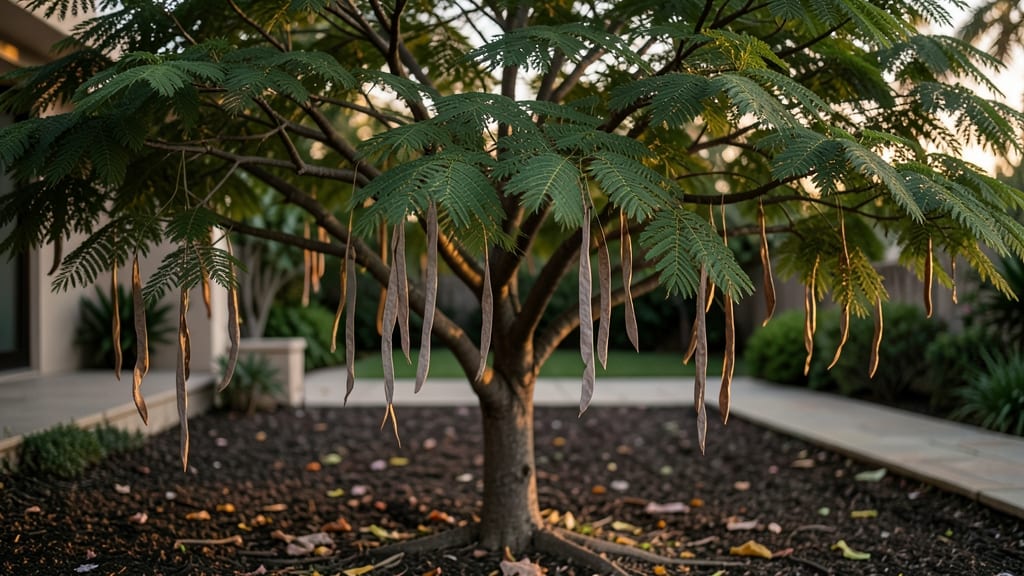
Cold-stratifying jacaranda tree seed pods unlocks the secret to growing these stunning trees from scratch. ✨ The process mimics nature's winter dormancy, coaxing seeds to break open and sprout reliably—something that trips up even experienced gardeners.
My first attempt failed because I skipped this critical step, but now I've got a method that works every time.
You'll need freshly harvested pods (or dried ones stored properly), a plastic bag with damp paper towels, and a refrigerator for 6-8 weeks of cold treatment. The key is keeping them consistently moist but not soggy—think of it like a gentle winter rain.
Once stratified, germination happens in 2-4 weeks at warm temperatures, and you'll see tiny roots pushing through the pod walls.
What you end up with are sturdy seedlings ready to transplant into containers or the ground by spring. The blooms arrive later, but the satisfaction of growing a jacaranda from a seed pod—with those iconic lavender cascades—is unmatched.
These pods also make beautiful dried decorations when left whole, adding texture to winter arrangements.
Works for both urban and rural gardens, though jacarandas need full sun and well-draining soil to thrive long-term. Here's how to do it right from start to finish—no more failed germination attempts.
📚 In This Guide
- What you need
- Instructions
- Tips and common mistakes
- Wrapping up and next steps
What you need
- ● Jacaranda seed pods: 10–20 mature, dried pods (harvested in late summer/fall). Ensure they’re plump and intact—no cracks or mold!
- ● Cold-stratification supplies: 1–2 resealable plastic bags (quart-sized or larger)
- ● Potting mix (well-draining, e.g., cactus/succulent blend) or damp paper towels
- ● Refrigerator with a crisper drawer (or a cool, dark spot at 35–45°F / 2–7°C)
- ● Planting containers: Small pots (3–4 inches deep) with drainage holes or seed trays
- ● High-quality seed-starting mix (sterilized and moisture-retentive)
- ● Growth tools: Misting bottle or spray nozzle (for hydration)
- ○ Clear plastic wrap or humidity dome (optional, for warmth)
- ● Grow lights or sunny windowsill (south-facing, 6+ hours of light/day)
- ● Seed germination accelerator (e.g., Rootone) to speed up sprouting.
- ● Heating mat (70–75°F / 21–24°C) for faster germination.
- ● Label markers to track seed pod batches (jacarandas can take months to sprout!).
- ● Compost or worm castings to boost soil fertility once seedlings emerge.
Step-by-Step guide to cold-stratifying jacaranda tree seed pods
Here’s how I’ve successfully germinated jacaranda seeds—this method breaks the dormancy barrier and sets you up for strong, blooming trees.
🌱 Step 1: Extract and Clean the Seeds
Collect mature jacaranda seed pods when they’ve turned brown and split open naturally—this usually happens in late summer or early fall. Inside, you’ll find flat, winged seeds. Remove them carefully, as the pods can be fibrous and sticky. Rinse the seeds under lukewarm water to remove any residual pulp or debris, then pat them dry with a paper towel.
I like to soak the seeds in a 1:10 bleach-to-water solution for 10 minutes to sterilize them—this prevents fungal issues later. After soaking, rinse them again and let them air-dry for 24 hours on a paper towel. This drying step is critical; damp seeds won’t stratify properly and may rot during cold treatment.
❄️ Step 2: Cold-Stratify for 60-90 Days
Jacaranda seeds require cold stratification to break dormancy. Place the dried seeds in a sealed plastic bag with a moistened paper towel—just damp enough to feel slightly wet, like a wrung-out sponge. Seal the bag and label it with the date. Store it in your refrigerator’s crisper drawer, where temperatures hover around 35-40°F.
Check the seeds every 2-3 weeks—if the paper towel dries out, mist it lightly with water and reseal the bag. After 60-90 days, the seeds should show signs of germination, like a tiny root poking through the seed coat. If they don’t sprout by 90 days, they may not be viable, and you’ll need to start fresh with new pods.
🌱 Step 3: Sow Stratified Seeds in Germination Mix
Once the seeds have sprouted (or after 90 days if no germination occurred), fill small 2-3 inch pots with a light, airy germination mix—I use a blend of 50% peat moss and 50% perlite for fast drainage. Plant the seeds ½ inch deep, pressing them gently into the mix. Water lightly until the soil feels evenly moist but not soggy—jacaranda seedlings hate waterlogged roots.
Place the pots in a warm, bright spot with indirect light (like a south-facing window with sheer curtains). A seedling heat mat set to 70-75°F speeds up germination. Keep the soil consistently moist—not dripping wet—and expect sprouts in 7-14 days. If the soil surface dries out, mist it with a spray bottle to avoid disturbing the seeds.
☀️ Step 4: Transplant and Harden Off Seedlings
Once seedlings develop 2-3 sets of true leaves (not just the initial seed leaves), they’re ready to move to 3-4 inch pots with a well-draining potting mix. I use a blend of 60% potting soil, 20% perlite, and 20% sand to prevent root rot. Transplant carefully, keeping the soil level the same as in the seedling pot to avoid burying the stem.
After transplanting, place the seedlings in a shaded outdoor area for 1-2 hours daily, gradually increasing exposure over 2-3 weeks. This hardening-off process prepares them for full sun. Jacaranda seedlings thrive in full sun, but young plants need time to adjust—you’ll see them lean toward the light if they’re not acclimated properly.
✂️ Step 5: Maintain for First Year of Growth
Keep the soil evenly moist but well-drained, watering when the top inch feels dry. Fertilize lightly every 4-6 weeks with a balanced 10-10-10 fertilizer diluted to half strength. Jacaranda trees grow slowly at first, so don’t rush their development—patience is key for strong root systems that support future blooms.
By the end of the first year, your seedlings should reach 12-18 inches tall with a sturdy stem. Prune any leggy growth to encourage bushier development, and watch for the first signs of purple flower buds—a sure sign your cold-stratification paid off. With consistent care, you’ll have a mature jacaranda tree blooming in 5-7 years.
Tips & tricks for cold-stratifying jacaranda tree seed pods
Here's what I've learned from years of trial and error—these tricks will help you avoid the most common pitfalls and maximize your success rate.
Pod Maturity Matters: The timing of pod collection is everything. Jacaranda pods should be fully brown and splitting open naturally—this usually happens in late summer or early fall. If you collect them too early (green pods) or too late (completely dried and brittle), the seeds won't germinate properly. I've found that pods collected in September yield the best results, as they've had time to fully mature but haven't started decomposing.
Bleach Solution Precision: The 10-minute bleach soak in Step 1 is non-negotiable for preventing fungal issues, but timing is critical. Any longer than 10 minutes and you risk damaging the seed coat. After soaking, rinse thoroughly—residual bleach can inhibit germination. For extra safety, I use a clean spray bottle with distilled water for the final rinse, which removes any microscopic bleach particles that might remain.
Cold Stratification Consistency: The 60-90 day cold stratification period in Step 2 requires consistent moisture without over-saturating. I've developed a system where I place a damp paper towel in the bag with the seeds, then seal it with a twist tie to prevent air exchange. Every 2-3 weeks, I check the towel's moisture level—it should feel like a wrung-out sponge, not dripping wet. This balance is crucial; too dry and the seeds won't germinate, too wet and they'll rot.
Germination Mix Science: The 50% peat moss and 50% perlite blend in Step 3 isn't just random—it creates the perfect balance of moisture retention and aeration. Peat moss holds moisture while perlite prevents compaction. When planting, press the seeds gently but firmly into the mix to ensure good soil contact. I've noticed that seeds planted at exactly ½ inch depth (measured from the bottom of the seed to the soil surface) germinate most reliably—any deeper and they struggle to break through.
Pro Tips for Jacaranda Tree Seed Pods
- Here's what I've learned from years of trial and error—these tricks will help you avoid the most common pitfalls and maximize your success rate.
- Pod Maturity Matters: The timing of pod collection is everything.
- Bleach Solution Precision: The 10-minute bleach soak in Step 1 is non-negotiable for preventing fungal issues, but timing is critical.
Frequently asked questions
Got questions about jacaranda seed pods?
You’re not alone—growing these stunning trees from seed takes patience and know-how. Here are answers to the most common queries to help you succeed!
How long does cold stratification take for jacaranda seed pods?
Cold stratification typically requires 6–12 weeks in the fridge (34–40°F) to break seed dormancy. Place pods in a damp paper towel or moist sand inside a sealed bag. Check for sprouting after 8–10 weeks—if nothing happens, extend the process up to 3 months. Patience is key!
Can I skip cold stratification and plant jacaranda seeds directly?
While possible, skipping stratification drastically reduces germination rates (often <10%). If you try it, soak seeds in warm water for 24 hours first, then plant in well-draining soil. However, expect slower growth and fewer blooms. For reliable results, always cold-stratify!
Why aren’t my jacaranda seed pods sprouting after stratification?
Several factors might be at play:
- Old seeds: Jacaranda seeds lose viability after 1–2 years. Test freshness by cutting open a pod—firm, plump seeds are best.
- Improper moisture: Keep soil consistently moist (not soggy) during germination. Bottom-watering helps.
- Temperature shock: Avoid sudden warmth after stratification. Gradually acclimate seeds to room temp over 1–2 weeks.
How long until a jacaranda tree blooms from seed?
Jacarandas grown from seed are slow to mature—expect 5–10 years before your first purple blooms! Dwarf varieties may flower slightly sooner (3–7 years), but seed-grown trees often take longer than grafted ones. Patience pays off with a tree that lives for decades!
Are jacaranda seed pods toxic to pets or kids?
While the seeds and pods themselves aren’t highly toxic, they’re not edible and may cause mild stomach upset if ingested. The leaves and bark contain alkaloids, which can be harmful in large quantities. Keep pets and children away from chewing pods, and wash hands after handling. When in doubt, consult a vet.
What’s the best alternative if my seed pods won’t germinate?
If germination fails, consider:
- Buying a young grafted jacaranda: Nurseries sell 1–3-year-old trees with guaranteed blooms (though they’re pricier).
- Layering or air-layering: Propagate from a healthy branch of an existing tree for a faster, identical clone.
- Seed swaps: Check local gardening groups or forums—some share fresh, viable jacaranda seeds.
Wrapping up and next steps
Growing jacaranda trees from cold-stratified seed pods is a rewarding journey that unlocks stunning blooms and lush greenery for years to come! 🌱 By following the right steps—from collecting pods to proper stratification and planting—you’ve set the stage for success. Now, all that’s left is patience and care as you watch your little seedlings sprout into majestic trees.
Ready to take the next step? Start by planting your prepped seeds in well-draining soil and keep an eye on their progress. Share your jacaranda-growing journey with fellow gardeners or even document it—your future tree might just become the star of your yard! 🌸