
Lawn
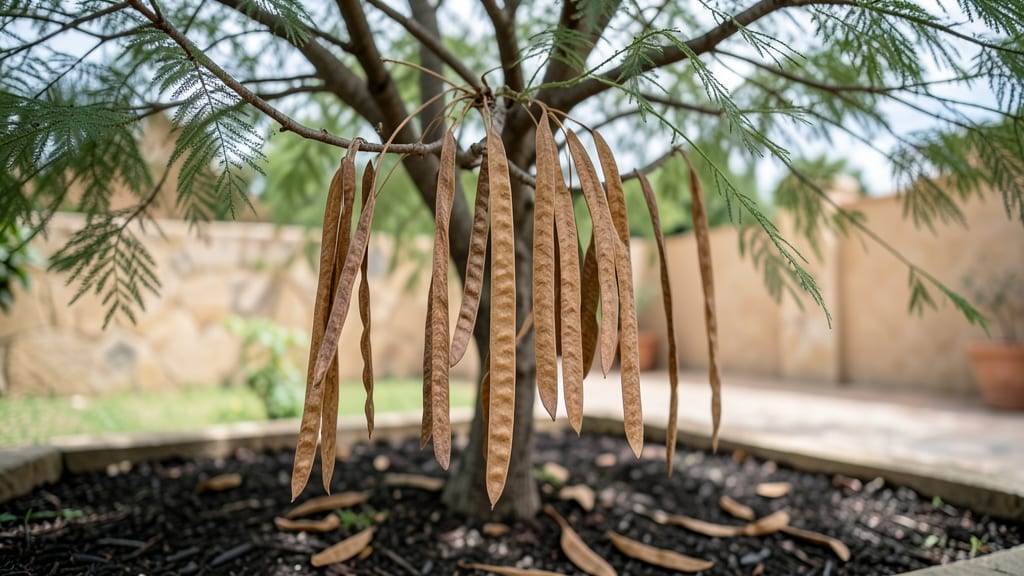
Jacaranda seed pods hold the promise of next year's lavender-blue canopy—if you handle them right. 🌿 I've learned the hard way that rushing the harvest or skipping stratification means months of waiting for seeds that may never sprout.
The key is patience: let pods mature fully on the tree, then dry them properly before extracting the seeds.
Start by identifying fully brown, papery pods—these are ripe and ready. Harvest them in late summer or early fall when they've opened slightly, then spread them in a dry, shaded area for 2-3 weeks to complete drying.
Once brittle, gently crack them open to reveal the winged seeds inside; avoid crushing them, as they're delicate. Store the clean seeds in a cool, dry place until stratification.
Stratification mimics winter's chilling effect, breaking seed dormancy for reliable germination. Place seeds between damp paper towels in a sealed bag and refrigerate for 6-8 weeks. Check weekly—they're ready when small roots emerge. Plant them ¼-inch deep in well-draining soil, keeping it consistently moist but never soggy.
Young seedlings need bright, indirect light and protection from strong winds. Transplant them outdoors only after the last frost when they've developed 2-3 sets of true leaves.
With proper care, your jacaranda will reward you with years of stunning spring blooms—but the journey starts with those tiny, winged seeds. Here's how to make it work.
📚 In This Guide
- What you need
- Instructions
- Tips and common mistakes
- Wrapping up and next steps
What you need
- ● Fresh jacaranda seed pods: Harvest only fully mature, brown pods (typically 3–6 inches long) from healthy trees. Aim for 10–20 pods depending on your planting goals.
- ● Pruning shears or sharp scissors: Sterilized tools to avoid damaging the tree or spreading disease.
- ● Newspaper or paper towels: 2–3 sheets for drying and separating seeds.
- ● Brown paper bags or breathable mesh bags: 2–3 bags (12x18 inches) for storing pods during drying.
- ● Fine-mesh strainer or sieve: To sift out debris and empty pods after drying.
- ● Plastic container with lid: 1 quart-sized for seed stratification (e.g., a sealed Tupperware).
- ● Moistened paper towels or coconut coir: To maintain humidity during stratification.
- ● Permanent marker: For labeling containers with the harvest date.
- ○ Gloves (optional but recommended): Jacaranda pods can stain hands and may cause mild irritation.
- ● Desiccant packets: Place 1–2 in drying bags to absorb excess moisture and speed up the process.
- ● Humidity monitor: Ensures your stratification setup stays at 30–50% humidity.
- ● Planting trays or seed-starting mix: For germinating seeds after stratification (if skipping direct outdoor planting).
- ● Spray bottle with water: For lightly misting pods if your climate is very dry.
- ● Notebook: To log pod maturity, drying dates, and stratification progress.
Step-by-step guide to harvesting, drying, and stratifying jacaranda seed pods
Here’s how to turn those stunning purple pods into next year’s showstopping jacaranda trees.
🌿 Step 1: Harvest Mature Seed Pods at Peak Ripeness
Wait until the pods turn a deep brown and begin splitting open naturally—this usually happens in late summer or early fall. I like to harvest them just as they start cracking, when the seeds inside are plump and firm. Use pruning shears to snip the pods directly from the tree, cutting the stem cleanly about ½ inch below the pod to avoid damaging the branch.
Collect the pods in a breathable paper bag or mesh sack to prevent moisture buildup. If you miss the window and pods fall to the ground, still use them—just clean off any dirt or debris before processing. The key is to work with fresh, dry pods; if they’re moldy or soft, they won’t yield viable seeds.
💧 Step 2: Dry the Pods Thoroughly in a Controlled Environment
Spread the pods in a single layer on a screen or paper towel in a well-ventilated, dry area with indirect sunlight. A shaded porch or garage works well, as direct sun can overheat and crack the pods. I’ve found that 1-2 weeks of drying at 65-75°F is ideal—turn them occasionally to ensure even drying.
You’ll know they’re ready when the pods feel light, brittle, and open easily with gentle pressure. If they’re still pliable or sticky, keep drying them for another few days. Once fully dry, store them in a paper envelope (not plastic) in a cool, dark place until stratification. Proper drying prevents mold and ensures the seeds stay viable for months.
⏰ Step 3: Stratify Seeds for Consistent Germination
Jacaranda seeds require stratification to break dormancy. Place the dried seeds in a sealed plastic bag with a moistened paper towel—just damp, not soggy. Add a few ice cubes to the bag to lower the temperature, then refrigerate for 8-12 weeks. Check the towel weekly; if it dries out, mist it lightly and reseal the bag.
Stratification mimics winter conditions, tricking the seeds into thinking they’ve survived a cold season. After the 8-12 weeks, the seeds should look plump and slightly softened. Plant them ¼ inch deep in well-draining potting mix in 4-inch pots, keeping the soil consistently moist but not waterlogged. Germination can take 4-8 weeks, so patience is key.
☀️ Step 4: Transplant Seedlings for Outdoor Growth
Once seedlings develop 2-3 sets of true leaves (not just the initial cotyledons), they’re ready for transplanting. Harden them off by placing them outdoors in partial shade for 1-2 hours daily, gradually increasing exposure over 10-14 days. Jacarandas thrive in full sun, but young plants need time to adjust to avoid shock.
Choose a well-draining location with at least 6 hours of sunlight and protected roots from strong winds. Plant in early spring after the last frost, spacing seedlings 10-15 feet apart to allow for their mature spread. Mulch around the base to retain moisture and suppress weeds, but keep mulch 2 inches away from the trunk to prevent rot.
Tips & tricks for perfect jacaranda seed pod processing
Here's what I learned after years of trial and error with these delicate pods.
Pod Selection: The timing for harvesting can't be stressed enough—wait until the pods are fully brown and just beginning to crack open. If you harvest too early, the seeds won't be fully mature; too late, and they'll scatter on the ground. I've found that checking pods every 2-3 days during late summer gives me the perfect window. The seeds should feel firm when squeezed gently, like a ripe avocado pit.
Drying Environment: While the 1-2 week drying time at 65-75°F is ideal, your actual drying conditions matter more than the clock. I've ruined batches by drying in direct sun, which created hot spots that cracked the pods. Instead, I use a mesh screen over a cooling rack in my garage with a small fan circulating air. This creates consistent airflow without overheating. Check pods daily—if they're still pliable after 2 weeks, extend drying another 2-3 days until they're completely brittle.
Stratification Hack: The 8-12 week cold treatment is crucial, but you can speed up the process slightly by using a commercial seed stratification mix instead of just a damp paper towel. These mixes contain perlite and vermiculite that maintain perfect moisture levels without risking mold. I place the seeds in a small container with the mix, seal it, and refrigerate. The mix also helps prevent the seeds from sticking together, making the planting process much cleaner.
Transplanting Timing: The 10-14 day hardening off period is non-negotiable for jacarandas, but I've found a little trick to make it easier. Instead of moving plants from indoors to outdoors gradually, I place them in a shaded area of my patio with a small fan blowing gently. This mimics wind exposure while protecting from direct sun. After 3-4 days, I'll move them to their final outdoor location for the remaining days. This method reduces transplant shock significantly.
Pro Tips for Jacaranda Seed Pods
- Here's what I learned after years of trial and error with these delicate pods.
- Pod Selection: The timing for harvesting can't be stressed enough—wait until the pods are fully brown and just beginning to crack open.
- Drying Environment: While the 1-2 week drying time at 65-75°F is ideal, your actual drying conditions matter more than the clock.
Frequently asked questions
Got questions about jacaranda seed pods? You’re not alone! Here are some of the most common queries—plus straightforward answers to help you master the process from harvest to germination.
When is the best time to harvest jacaranda seed pods?
Harvest pods when they turn brown and papery (usually late summer to early fall). Avoid harvesting if pods are still green—the seeds won’t be fully mature. Wait until they pop open easily when squeezed, signaling peak ripeness.
How do I dry jacaranda seed pods properly?
Spread pods in a single layer on a mesh screen or paper towels in a warm, dry, well-ventilated area (like a garage or shed). Avoid direct sunlight—it can scorch them. Stir them occasionally for 1–2 weeks until completely dry and brittle.
What’s the best way to stratify jacaranda seeds?
Jacaranda seeds need cold stratification to break dormancy. Mix seeds with damp sand or peat moss, place in a sealed bag, and refrigerate for 6–8 weeks. Check moisture weekly—seeds should stay damp but not soggy.
Can I grow jacaranda from seed pods if I don’t have a fridge?
Yes! Try the outdoor method: Plant pods in well-draining soil in fall, cover lightly with mulch, and let winter’s cold do the work. Germination may take longer (3–6 months), but it’s a low-effort option.
Why aren’t my jacaranda seeds germinating?
Check these common issues:
- Improper drying: Seeds must be fully dry before storage.
- Skipped stratification: Jacarandas require cold—skip this step, and germination fails.
- Poor soil moisture: Keep soil consistently moist (not waterlogged) during germination.
- Old seeds: Viability drops after 1–2 years—use fresh pods.
Still stumped? Try soaking seeds in lukewarm water for 24 hours before planting—sometimes a quick warm bath kickstarts reluctant seeds!
Wrapping up and next steps
Jacaranda seed pods may seem simple, but mastering their harvest, drying, and stratification can unlock next year’s stunning blooms with ease! 🌸 Whether you’re a gardening pro or just starting, these steps ensure high germination rates and healthy growth.
Now that you’re equipped with the know-how, why not take the next step?
🌱 Your Action Plan:
- Collect pods after they turn brown and split open—don’t miss the window!
- Dry and store them properly to preserve viability.
- Stratify seeds for 6–8 weeks to break dormancy.
- Plant in well-draining soil and watch your jacaranda thrive!
Ready to grow your own jacaranda tree? Grab your supplies and get planting—your future purple canopy awaits! 🌿