
Lawn
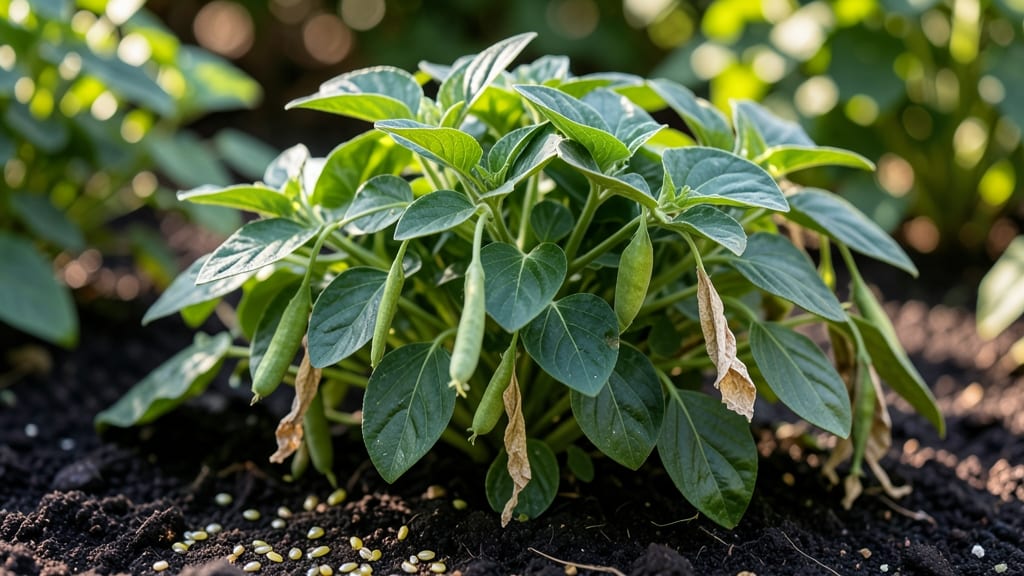
Those plump, papery impatiens seed pods are nature's way of creating next year's shade-loving stars—if you know how to handle them. 🌱 I've learned the hard way that rushing the drying process or storing seeds too soon means waking up to wilted seedlings instead of thriving plants.
The key? Timing your harvest with the right moisture and temperature conditions for your zone.
First, you'll need to identify mature pods—they turn from green to a papery brown and start splitting open on their own. Gather them on a dry day when humidity is low, then spread them out in a single layer on paper towels or a mesh screen.
Keep them in a warm, dry spot (around 70°F) for 1-2 weeks, gently shaking them every few days to release any seeds that might still be clinging inside.
Once fully dry, store the seeds in an airtight container with a moisture absorber like silica gel or uncooked rice. Properly stored, these seeds can last 3-4 years, though germination rates drop after the first year.
When ready to plant, scatter them on the soil surface—they need light to germinate, so don't bury them.
Here's the trick I wish I'd known sooner: impatiens seeds germinate fastest in 70-75°F soil, which means starting them indoors 8-10 weeks before your last frost. Too cool, and they'll sulk; too hot, and they'll rot.
The payoff? A sea of colorful blooms that'll make your neighbors jealous—and all from those little pods you might've tossed away.
📚 In This Guide
- What you need
- Instructions
- Tips and common mistakes
- Wrapping up and next steps
What you need
- ● Impatiens seed pods: 1–5 pods (fresh or dried, depending on availability). Pro tip: 💡 Collect pods from healthy, mature plants for best results!
- ● Seed-starting mix: 1–2 cups of sterile, well-draining potting soil (avoid garden soil—it can harbor pathogens). Look for labels like "seed starter" or "cactus/succulent mix" for extra airflow.
- ● Containers: Small seed trays (4–6 inches deep) or
- ● Biodegradable peat pots (2–3 inches in diameter) or
- ● Plastic nursery pots with drainage holes (3–4 inches wide).
- ● Spray bottle: 1 (with a fine mist setting for gentle watering). Avoid over-saturating the soil!
- ○ Clear plastic dome or plastic wrap: 1 sheet (to create a humidity tent). Optional but highly recommended for tropical climates or dry conditions.
- ○ Heat mat (optional but helpful): 1 (set to 70–75°F for faster germination in cooler zones).
- ● Grow lights or sunny windowsill: Access to indirect light (6–8 hours daily). South-facing windows or LED grow lights work best.
- ● Fungicide: 1 bottle (e.g., neem oil or a mild fungicide) to prevent damping-off disease in humid conditions.
- ● Humidity tray: A shallow tray filled with pebbles and water (to place containers on for extra moisture).
- ● Thermometer/hygrometer: 1 (to monitor temperature and humidity levels, especially in controlled environments).
- ● Labeling tags: 5–10 (to track planting dates and moisture zones).
Germinating impatiens seeds: the right conditions for success
Here's how to coax those delicate impatiens seeds to sprout reliably—no guesswork, just science-backed timing.
🌱 Step 1: Prepare the Germination Medium
Fill a shallow tray or small pots with a sterile seed-starting mix—never garden soil. Impatiens seeds need loose, airy conditions to prevent damping-off. I like to mix 50% peat moss with 50% perlite for extra drainage. Moisten the mix until it feels like a damp sponge, not soggy.
Press the surface lightly to create a firm but not compacted seedbed. This helps tiny seeds stay in place without being buried too deep. A flat tray works best because you'll want to keep everything consistently moist during germination.
💧 Step 2: Sow Seeds and Maintain Ideal Moisture
Sprinkle seeds on the surface—don't cover them. Impatiens seeds need light to germinate, so pressing them gently into the top layer is all you need. I use a fine mist spray bottle to dampen the surface lightly, ensuring seeds stay moist but not waterlogged.
Place the tray in a clear plastic bag or under a humidity dome to trap moisture. Check daily and mist again if the surface feels dry. You'll see condensation on the inside—this is your signal the environment is right. Keep it at 70-75°F for fastest germination.
☀️ Step 3: Provide Warmth and Indirect Light
Impatiens seeds germinate best in warmth without direct sun. A heat mat set to 75-80°F speeds up germination, which typically takes 14-21 days. Place the tray under a grow light or in a bright, indirect window—avoid harsh midday sun, which can dry out the delicate seeds.
Watch for tiny sprouts emerging from the soil surface. Once they appear, remove the humidity cover immediately to prevent fungal issues. You'll notice the seedlings have round cotyledons first, followed by true leaves in about 7-10 days after sprouting.
🌿 Step 4: Thin Seedlings for Strong Growth
When seedlings reach 1-2 inches tall, thin them to 2-3 inches apart to prevent overcrowding. Use small scissors to snip unwanted seedlings at the soil line—don't pull them, which can disturb roots. This step ensures stronger plants with better airflow.
After thinning, water gently at the base to avoid disturbing the remaining seedlings. Keep them in bright, indirect light until they develop 4-6 true leaves, then gradually introduce morning sun to harden them off for outdoor planting.
Tips & tricks for perfect impatiens germination
These simple strategies will help you create the ideal environment for your impatiens seeds to sprout reliably every time.
Medium Consistency: The sterile seed-starting mix should feel like a damp sponge—not soggy, not dry. I press it gently to create a firm but not compacted surface. This helps tiny seeds stay in place while allowing just enough airflow to prevent damping-off. Think of it like a soft mattress that holds seeds gently without crushing them.
Moisture Management: After sowing seeds in Step 2, I place the tray in a clear plastic bag to create a greenhouse effect. Check daily for condensation—this is your signal the moisture level is perfect. If you see dry spots, mist lightly again. Too much water causes rot, while too little causes seeds to dry out and fail to sprout.
Light Source Strategy: In Step 3, position your tray under a grow light about 2-3 inches away from the surface. If using natural light, place it in a bright, indirect window—avoid southern exposures that can dry out seeds. I rotate the tray daily to ensure even light exposure, which prevents leggy seedlings.
Temperature Troubleshooting: If your kitchen stays below 70°F, use a heat mat set to 75-80°F to maintain optimal germination temperatures. Most homes naturally fall in this range, but basements or winter kitchens often run cooler. A simple thermometer placed near the tray helps monitor conditions without guesswork.
Pro Tips for Impatiens Seed Pods
- These simple strategies will help you create the ideal environment for your impatiens seeds to sprout reliably every time.
- Medium Consistency: The sterile seed-starting mix should feel like a damp sponge—not soggy, not dry.
- Moisture Management: After sowing seeds in Step 2, I place the tray in a clear plastic bag to create a greenhouse effect.
Frequently asked questions
Got questions about impatiens seed pods?
You’re not alone! Here are some of the most common queries gardeners have—plus quick, actionable answers to keep your impatiens thriving.
How long do impatiens seed pods take to germinate?
Impatiens seeds typically germinate in 7–21 days under ideal conditions (warmth, consistent moisture, and indirect light). Cooler temps or dry soil can delay germination—keep soil evenly moist (not soggy) and use a humidity dome or plastic wrap to speed things up. Patience is key!
Do impatiens seed pods need light to germinate?
Nope! In fact, light can hinder germination—impatiens seeds need darkness to sprout. Plant them just below the soil surface (¼ inch deep) and avoid exposing them to sunlight until you see tiny sprouts. Once they emerge, move them to a bright, indirect spot to prevent leggy seedlings.
What’s the best temperature for germinating impatiens seed pods?
Impatiens love warmth! Aim for 70–75°F (21–24°C) for optimal germination. If your home is cooler, use a seedling heat mat or place the tray on top of your fridge. Avoid drafts or sudden temp swings—consistency is critical for those tiny seeds to wake up and grow!
Can I save impatiens seed pods from my garden for next year?
Collect mature pods (they’ll pop open when ripe) and let the seeds dry on a paper towel for a week. Store them in a cool, dry place (like a sealed envelope) for up to a year. Just note: hybrid varieties may not true-to-type, so expect surprises in color or size!
Why aren’t my impatiens seed pods germinating?
Try these fixes if your seeds are playing hard to grow:
Too dry? Mist the soil daily or use a spray bottle to keep it damp.
Too cold? Move the tray to a warmer spot (like near a sunny window).
Old seeds? Impatiens seeds lose viability after 1–2 years—test a few to see if they’re still good.
Fungal issues? If mold appears, repot with fresh, sterile soil and reduce moisture.
Wrapping up and next steps
Understanding the germination timeline of impatiens seed pods helps you nurture vibrant, blooming plants tailored to your climate! Whether you’re in a hot, humid zone or a cooler, drier region, adjusting moisture and temperature ensures faster, healthier growth.
With the right setup, you’ll soon be enjoying those cheerful New Guinea impatiens or classic busy Lizzie blooms in no time!
Ready to grow your own impatiens? Start by testing small batches of seeds in different conditions—track progress and refine your approach. Happy gardening! 🌱✨