
Succulent
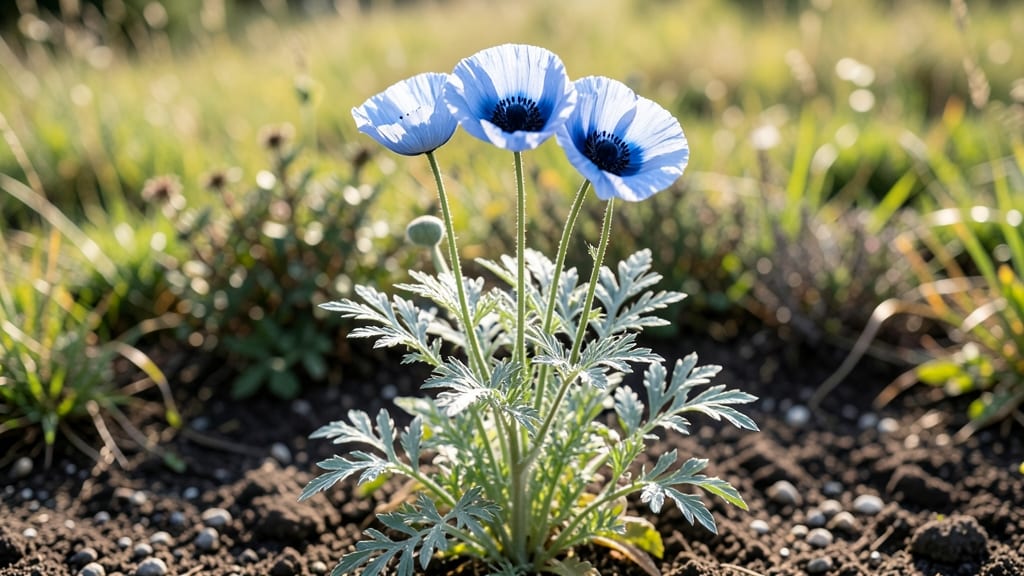
Hungarian blue breadseed poppies bloom faster than you’d expect—45 days from seed with cold stratification. 🌱 I’ve grown them for years, and the secret lies in mimicking their natural winter chill.
These poppies aren’t just stunning in the garden; their seeds are edible, too, adding a nutty crunch to salads or baked goods. The trick starts with soil: well-draining, slightly sandy mix with compost. Plant seeds ¼-inch deep, spacing them 12 inches apart—they’ll spread but stay delicate.
Bright sunlight is non-negotiable; these poppies wilt in shade. Water lightly after planting, then let the soil dry between waterings. By early summer, you’ll see vibrant blue blooms that last just a day but pack a punch.
Harvest seeds when pods turn brown and papery—crush them for flour or sprinkle whole on dishes. The trade-off? They’re annuals, but one packet yields thousands of seeds for next year’s garden. Perfect for cottage gardens, pollinator patches, or even container growing. Just avoid overwatering—their roots hate soggy soil.
Here’s how to get them thriving from seed to harvest.
📚 In This Guide
- What you need
- Instructions
- Tips and common mistakes
- Wrapping up and next steps
What you need
- ● Seeds: 1 packet of Hungarian Blue Breadseed Poppy seeds (about 50-100 seeds, depending on desired density).
- ● Growing Containers: Seed trays with drainage holes (or small pots, 2-3 inches deep).
- ○ Optional: Biodegradable peat pots for transplanting.
- ● Growing Medium: Seed-starting mix (lightweight, sterile, and well-draining).
- ● Alternative: Cactus/succulent mix blended with perlite (for faster drainage).
- ● Cold Stratification Supplies: Plastic bag or sealed container (to mimic winter conditions).
- ● Refrigerator (set to 35–40°F / 2–4°C for stratification).
- ● Watering Tools: Spray bottle (for gentle moisture during stratification).
- ● Small watering can (for post-stratification care).
- ● Sunlight Access: South-facing window (for early growth) or a grow light (12–16 hours/day).
- ● Fertilizer: Balanced liquid fertilizer (5-5-5 or 10-10-10, diluted to half-strength).
- ● Plant Labels: To track varieties and planting dates.
- ● Tweezers: For precise seed placement (especially in small pots).
- ○ Heat Mat (Optional): To speed up germination after stratification (70–75°F / 21–24°C).
- ● Outdoor Garden Space: Well-draining soil in full sun (after last frost, if transplanting).
- ● Pest Control: Neem oil or insecticidal soap (for aphids or spider mites).
Step-by-step instructions for growing Hungarian blue breadseed poppies
Here's how to coax those striking blue blooms from seed in just 45 days using cold stratification.
🌱 Step 1: Prepare Seeds with Cold Stratification
Hungarian Blue Poppies need this crucial cold treatment to break dormancy. Place your seeds in a ziplock bag with a damp paper towel—just enough moisture so the towel feels like a wrung-out sponge. Seal the bag and refrigerate for 4-6 weeks.
Check weekly to ensure the towel stays moist but not soggy. You'll see tiny cracks in the seed coats around 3 weeks—that's your signal the stratification is working. This mimics winter's natural chilling period and ensures strong germination.
🪴 Step 2: Sow in Well-Draining Soil Mix
Fill small pots or seed trays with a blend of 50% potting mix and 50% perlite or coarse sand—this prevents the delicate seedlings from rotting. Poppy seeds are tiny, so I use a toothpick or pencil to make individual 1/4-inch deep holes.
Sprinkle just 1-2 seeds per hole and cover lightly with additional mix. Press gently so the soil touches the seeds but doesn't bury them deeper. Poppies hate being disturbed, so planting directly into their final spot is ideal if you're not transplanting.
☀️ Step 3: Provide Light and Controlled Moisture
Poppies need bright light from day one—a south-facing window or grow light works best. Keep the soil surface dry after planting; poppy seeds rot easily if overwatered. I use a spray bottle to mist the surface until you see the first green shoots in 10-14 days.
Once sprouted, water only when the top inch of soil feels dry. You'll see the first true leaves appear in 3-4 weeks—these are your cue to start fertilizing lightly with a balanced liquid fertilizer every 2 weeks. Too much nitrogen makes poppies leggy and weak.
✂️ Step 4: Thin and Support for Strong Blooms
When seedlings reach 2 inches tall, thin to leave the strongest plant per pot. Poppies grow best with space—6-8 inches apart for full blooms. I pinch off the first flower buds that appear to encourage bushier growth with more blooms later.
As plants reach 12 inches tall, they'll need support. I use small stakes or tomato cages tied loosely to the stem—poppies grow too tall to flop over without help. The blue blooms appear 45 days after sowing, but they're worth the wait.
💧 Step 5: Maintain Through Bloom and Seed Production
Water at the base during flowering to keep blooms clean and prevent mildew. Deadhead spent flowers to encourage more blooms, but leave some seed pods if you want next year's crop. The breadseed pods are edible and add a nutty flavor to baked goods.
Poppies thrive in cool weather—they'll bolt and fade in summer heat. Plant in early spring or late summer for best results. With proper care, you'll have striking blue blooms and edible seeds in just 45 days!
Tips & tricks for perfect Hungarian blue breadseed poppy blooms
These little-known tricks will help you coax vibrant blue blooms from your Hungarian breadseed poppies every time.
Stratification Success: The 4-6 week cold period is non-negotiable for breaking dormancy, but here's the secret: place your sealed bag in the crisper drawer of your fridge where temperatures stay consistently cold (around 35-40°F). This mimics natural winter conditions perfectly. I also label the bag with the start date to track progress—those tiny cracks at 3 weeks are your first sign of success!
Soil Mix Secret: For that perfect 50/50 blend of potting mix and perlite/sand, I recommend using a sterilized potting mix to prevent mold. The perlite should be coarse—not fine—so it drains properly without compacting. Pro tip: Sift the mix before planting to remove any large chunks that could block water flow to those tiny seeds.
Lighting Strategy: If you don't have a south-facing window, a simple LED grow light placed 6-8 inches above your seedlings works wonders. I keep mine on for 12-14 hours daily, which mimics natural daylight and prevents leggy growth. The key is consistency—poppies need that bright light from day one to develop strong stems.
Watering Wisdom: After those first green shoots appear (around 10-14 days), I switch from misting to watering at the base with a small watering can. This prevents fungal issues that can occur when water sits on the delicate leaves. The top inch dry test is crucial—stick your finger in the soil and only water when it feels dry to the touch.
Pro Tips for Hungarian Blue Breadseed Poppy
- These little-known tricks will help you coax vibrant blue blooms from your Hungarian breadseed poppies every time.
- This mimics natural winter conditions perfectly.
- Soil Mix Secret: For that perfect 50/50 blend of potting mix and perlite/sand, I recommend using a sterilized potting mix to prevent mold.
Frequently asked questions
Got questions about growing Hungarian Blue Breadseed Poppy? You’re not alone—this stunning annual has a few quirks! Here are answers to the most common queries to help you cultivate success.
Do Hungarian Blue Breadseed Poppies need cold stratification?
Yes! These poppies thrive with cold stratification—a 4-6 week chilling period (40–50°F) to break dormancy. Skip this step, and germination may be slow or uneven. For best results, sow seeds outdoors in fall or refrigerate them for 4–6 weeks before planting in spring. Pro tip: Mix seeds with damp sand for even moisture during stratification.
How long does it take for Hungarian Blue Poppies to bloom?
With proper cold stratification, expect 45–60 days from sowing to bloom! Fast-growing and eager to shine, these poppies reward patience with vibrant blue flowers that last 2–3 weeks. For continuous blooms, stagger plantings every 2 weeks. Hot tip: Deadhead spent blooms to encourage more flowers.
Can I grow Hungarian Blue Poppies in containers?
These poppies adapt well to containers (minimum 6-inch depth) as long as the pot has drainage holes. Use a lightweight, well-draining mix (like 60% potting soil + 40% perlite/sand). Containers also make it easy to move plants to sunny spots or protect them from late frosts. Bonus: They’re great for balconies or patio gardens!
Are Hungarian Blue Poppies deer-resistant?
While no plant is 100% deer-proof, these poppies are moderately deer-resistant due to their milky sap, which many animals dislike. However, hungry deer may still nibble—especially in drought or overcrowded gardens. For extra protection, pair them with deer-repellent herbs like lavender or rosemary.
What if my poppy seeds don’t germinate?
Don’t panic! Low germination can stem from old seeds (sow within 1 year for best results), poor soil contact, or lack of moisture. Try pressing seeds lightly into soil (¼ inch deep) and keep them consistently moist (not soggy). If using stored seeds, soak them in warm water for 24 hours before sowing. Troubleshoot: Test soil temperature—ideal germination occurs at 60–70°F.
Wrapping up and next steps
Growing Hungarian Blue Breadseed Poppy is a rewarding journey that brings vibrant blooms to your garden in just 45 days—and with a little patience and care, you’ll be harvesting seeds for next year! 🌱 Whether you’re a seasoned gardener or a curious beginner, these cold-stratified beauties prove that stunning results don’t require complicated steps.
Now that you’re armed with the right materials and answers, it’s time to roll up your sleeves and plant your first seeds.
Ready to dive in? Start today—your garden (and future poppy enthusiasts!) will thank you. 🌸