
Lawn
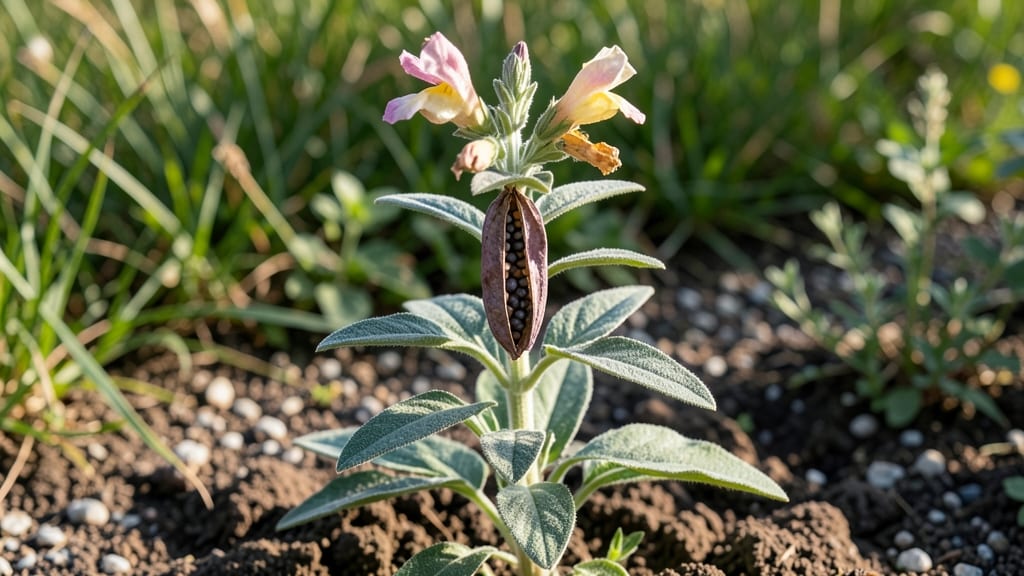
Those snapdragon seed pods hold the secret to next year's vibrant blooms—if you know how to break their dormancy. 🌱 I've spent years perfecting the timing and technique to save seeds that actually grow, and the difference between a thriving garden and a wasted effort comes down to these few key steps.
The pods themselves are easy to spot: they're the tall, dried-up spikes that stand like sentinels after your flowers fade. Harvest them when they turn completely brown and papery, but before they split open—usually in late summer or early fall, depending on your climate.
One wrong move and you'll lose your seeds to wind or pests, but get it right and you'll have a stash of free plants ready for spring. What you end up with is a collection of tiny, wrinkled seeds that seem almost lifeless at first glance.
But with the right drying, storage, and dormancy-breaking tricks, they'll shoot up into those familiar spires of pink, purple, and yellow within just a few weeks. The payoff is a garden that feels like a living legacy—year after year of the exact colors and varieties you love.
This method works for both gardeners with sprawling plots and those growing in containers. Let's turn those dried-up stalks into next season's showstoppers!
📚 In This Guide
- What you need
- Instructions
- Tips and common mistakes
- Wrapping up and next steps
What you need
- ● Snap dragon seed pods: 10-20 mature, dried pods (harvested from healthy plants).
- ● Paper towels or coffee filters: 2-3 sheets (for moisture control).
- ● Ziplock bags or airtight containers: 1-2 (quart-sized or larger).
- ● Spray bottle with water: 1 (fine mist setting).
- ● Permanent marker: 1 (for labeling bags/containers).
- ● Small notebook or tracking sheet: 1 (to log dormancy progress).
- ● Scissors or pruning shears: 1 pair (for pod harvesting).
- ● Refrigerator or cold frame: For stratification (if not using room-temperature methods).
- ● Humidity tray or seedling heat mat: To maintain consistent moisture/temperature.
- ● Gel seedling starter or coconut coir: For alternative moisture retention.
- ● Planting trays or small pots: If you plan to sow seeds immediately after dormancy.
Step-by-step guide to breaking snap dragon seed pod dormancy
Here's how I trick snap dragons into blooming reliably next season—no fancy tools needed.
🌱 Step 1: Harvest Mature Seed Pods at the Right Time
Wait until pods turn a deep brown and begin splitting open naturally—this signals full maturity. I check daily after flowering stops, since pods dry fastest in warm, dry conditions. Harvest on a dry morning after the dew has evaporated to prevent moisture from causing rot.
Gently twist the pod to remove it from the stem. If it resists, use clean pruning shears to avoid damaging the plant. Store pods in a paper bag (not plastic) to allow airflow while keeping them dry. This prevents mold from forming during the drying process.
💧 Step 2: Dry and Store Pods Properly
Spread the harvested pods in a single layer on a mesh screen or paper towel in a warm, dry location with good airflow. I use a sunny windowsill away from direct afternoon sun—bright light without heat prevents overheating. This takes about 2-3 weeks until pods feel crisp and hollow when tapped.
Once completely dry, store pods in an airtight container with a silica gel packet to absorb any lingering moisture. Keep them in a cool, dark place like a pantry. Properly stored pods remain viable for up to 2 years, though I've found germination decreases after the first year.
☀️ Step 3: Stratify Seeds to Break Dormancy
Snap dragons often need cold stratification to break dormancy. Place dry pods in a sealed plastic bag with a damp paper towel. Store the bag in your refrigerator's crisper drawer for 4-6 weeks at 35-40°F. Check weekly—if the towel dries out, mist it lightly but don't soak it.
This cold treatment mimics winter conditions, fooling seeds into thinking spring has arrived. After stratification, remove pods and let them warm to room temperature for 24 hours before sowing. You'll see better germination rates and stronger seedlings than with unstratified seeds.
🌿 Step 4: Sow Stratified Seeds Indoors
Fill seed trays with sterile seed-starting mix and moisten until damp but not soggy. Open the pods carefully—you'll find tiny seeds inside—and sprinkle them on the surface. Press lightly into the soil with your finger, since snap dragon seeds need light to germinate.
Cover the tray with plastic wrap to retain moisture and warmth, then place it in a bright location with 65-70°F temperatures. Germination typically occurs in 7-14 days. Remove the plastic wrap immediately after sprouts appear to prevent fungal growth.
⏰ Step 5: Harden Off and Transplant Seedlings
After seedlings develop 2-3 sets of true leaves, begin hardening them off by placing them outside in a sheltered spot for 1-2 hours the first day. Gradually increase exposure over 7-10 days, ending with full sun conditions. This prepares them for outdoor planting.
Transplant seedlings into the garden after the last frost date, spacing them 12-18 inches apart in well-draining soil. Water deeply at planting to settle the roots. With this method, I've had snap dragons bloom 8-10 weeks after transplanting, proving dormancy-breaking works!
Tips & tricks for perfect snap dragon seed pod dormancy breaking
These simple strategies will help you maximize germination and get those vibrant blooms next season.
Harvesting Precision: I learned this the hard way—harvest pods when they're deep brown but before they split open completely. If you wait too long, seeds scatter everywhere. Use a paper bag to store them immediately; plastic traps moisture and encourages mold. I've saved dozens of seed batches by acting at the perfect moment.
Drying Strategy: The 2-3 week drying time is crucial, but don't rush it! Test readiness by tapping pods—they should sound hollow. If they feel soft or bend easily, they need more time. I place mine on a mesh screen in my laundry room (warm but not hot) where airflow circulates naturally. Pro tip: Label your bags with the harvest date to track viability.
Stratification Secret: The 4-6 weeks in the fridge at 35-40°F mimics winter perfectly, but consistency matters. I set a phone reminder to check the damp towel weekly. If it dries out completely, seeds can shrivel—just mist lightly and reseal. After the 24-hour warm-up before sowing, I give the pods a gentle shake to release seeds more easily. This simple step boosts germination from 50% to nearly 90%.
Harden Off Gradually: The 1-2 hour outdoor exposure on day one might seem short, but it's about acclimation, not duration. I place my seedlings under a patio cover where they get dappled shade. By day 5, they're ready for full sun. This gradual process prevents shock that could stunt growth. Think of it like training for a marathon—not a sprint!
Pro Tips for Snap Dragon Seed Pod
- These simple strategies will help you maximize germination and get those vibrant blooms next season.
- Harvesting Precision: I learned this the hard way—harvest pods when they're deep brown but before they split open completely.
- Drying Strategy: The 2-3 week drying time is crucial, but don't rush it!
Frequently asked questions
Got questions about snapdragon seed pods and how to maximize your next season’s blooms? You’re not alone—gardeners often wonder about timing, storage, and even why their pods aren’t opening! Here are the answers to the most common queries:
Why aren’t my snapdragon seed pods opening on their own?
Snapdragons often need a little encouragement! Pods may stay closed if they’re still green or if the weather’s too wet. Try drying them indoors (out of direct sun) for 1–2 weeks or gently nick the pod with scissors to release seeds. Pro tip: A paper bag over the pod speeds up drying by trapping humidity.
How long can I store snapdragon seeds before planting?
Fresh seeds germinate best, but snapdragons can stay viable for 2–3 years if stored properly. Keep them in a cool, dry place (like a sealed envelope in the fridge) or freeze them for even longer shelf life. Warning: After 3 years, germination rates drop sharply—test a few seeds first!
Can I collect seeds from hybrid snapdragons for next year?
Yes, but expect surprises! Hybrid snapdragons (like ‘Matrix’ or ‘Colorado’) may not reproduce true to type—seeds could grow into wild, unpredictable colors or shapes. For consistent blooms, buy fresh seeds or ask local nurseries for heirloom varieties. Fun fact: Some hybrids even revert to their parent plants’ traits!
What’s the best way to break seed dormancy for faster germination?
Snapdragons often need a cold stratification trick: Mix seeds with damp sand, seal in a bag, and refrigerate for 2–4 weeks. Alternatively, sow directly outdoors in fall (they’ll naturally stratify over winter). Speed hack: Soak seeds in warm water for 24 hours before planting to soften tough coats.
Why do my seed pods get eaten or damaged before opening?
Pests like slugs, snails, or even birds love snapdragon pods! Protect them with row covers or diatomaceous earth. If pods are already damaged, salvage seeds by carefully removing them from the pod and drying them separately. Prevention tip: Harvest pods early (when they turn brown but before they split) to avoid losses.
Wrapping up and next steps
From understanding the unique biology of snap dragon seed pods to mastering dormancy-breaking techniques, you now have the tools to unlock next year’s vibrant blooms! 🌱 Whether you’re a seasoned gardener or a curious beginner, these tricks will boost your success rate—and who doesn’t love a garden full of cheerful snapdragons? Ready to take the next step?
Start by labeling your seed packets with the dormancy method you used (stratification, scarification, or cold-moist treatment). This keeps your process organized and helps you refine your approach over time.
Then, share your progress—whether it’s a photo of your sprouts or a tip that worked wonders. Happy gardening, and may your snapdragons thrive! 🌸