
Lawn
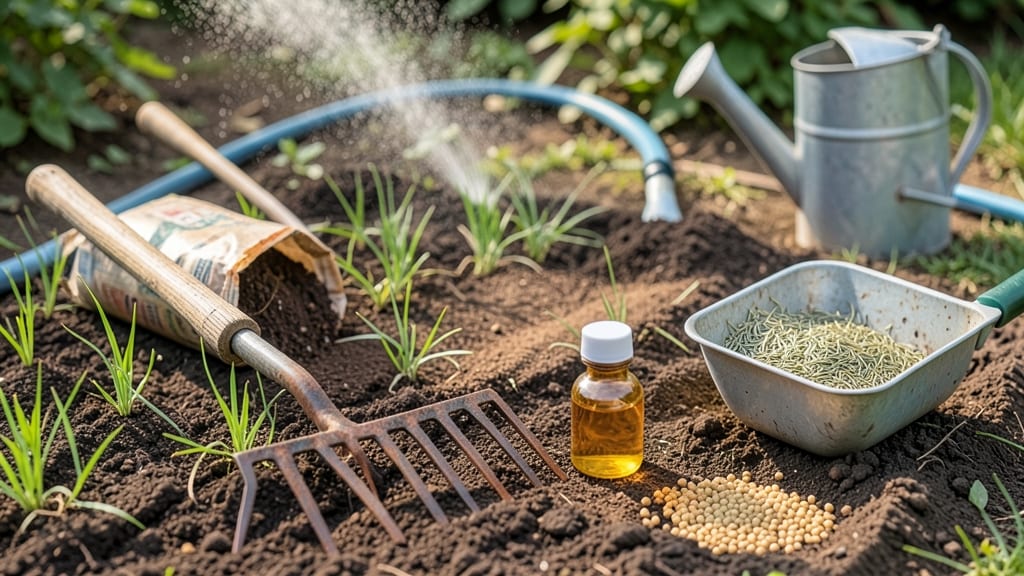
Planting grass seed on hard dirt feels like trying to grow flowers on concrete—until you learn the scratch-and-seed trick. 🌱 I’ve turned stubborn, compacted soil into lush lawns by breaking through the crust, and the key is in the preparation.
Most people give up after scattering seed on unyielding ground, but with the right tools and technique, germination happens in 7-14 days instead of weeks.
The secret isn’t brute force—it’s strategic loosening. A stiff-bristle rake or a simple garden fork (rent one if needed) creates just enough texture for seeds to nestle into the soil without washing away.
We’ve found that adding a thin layer of compost before seeding gives roots a fighting chance, especially in clay-heavy areas where water runs off like a racecar on ice.
Once seeds are down, keep them damp like a wrung-out sponge—not soggy, not dry. A light misting twice daily for the first week (morning and evening) prevents erosion and keeps seeds from drying out before they sprout.
Within 10-14 days, you’ll see the first green blades pushing through, proving that even the toughest ground can become fertile real estate.
This method works for both sunny lawns and shady patches, though seed choices matter—cool-season grasses like Kentucky bluegrass handle tough conditions better than heat-loving Bermuda. The real payoff? A lawn that stays thick, green, and resilient through droughts and foot traffic, all without the backbreaking work of tilling.
📚 In This Guide
- What you need
- Instructions
- Tips and common mistakes
- Wrapping up and next steps
What you need
- ● Grass seed: Choose a high-quality seed blend suited to your climate (e.g., Kentucky Bluegrass, Fescue, or Bermuda). Aim for 5–10 lbs per 1,000 sq ft, depending on seed type and coverage needs.
- ● Topsoil or compost: 1–2 inches of organic matter (screened compost or topsoil) to improve soil texture and fertility. A 50-lb bag covers ~100 sq ft.
- ● Garden rake: A heavy-duty bow rake (8–12 teeth) or stiff-bristle rake to break up hardpan and level the soil.
- ● Shovel or mattock: For deep tilling (6–8 inches) where the dirt is extremely compacted. A round-point shovel or heavy-duty mattock works best.
- ○ Broadcast spreader: A handheld or wheel-type spreader for even seed distribution. Optional but highly recommended for large areas.
- ● Garden hose with nozzle: For thorough watering. A showerhead or adjustable nozzle ensures gentle, even moisture.
- ○ Lawn roller (optional but helpful): A lightweight 50–100 lb roller (24–36 inches wide) to press seed into soil and ensure good contact.
- ● Soil amendment: Gypsum (for clay soil) or sand (for heavy, compacted dirt) to improve drainage.
- ● Starter fertilizer: A low-nitrogen, high-phosphorus fertilizer (e.g., 10-20-10) to boost root growth.
- ● Mulch or straw: ¼-inch straw mulch to retain moisture and protect seed from birds.
- ● Knee pads or work gloves: Because hard dirt + rakes = tough work! 😅
- ● Soil test kit: To check pH and nutrient levels before planting (ideal pH: 6.0–7.0 for most grasses).
Step-by-Step instructions for planting grass seed on hard dirt
Here's the method I've used to turn tough, compacted soil into lush lawns in under 3 weeks.
🪴 Step 1: Prepare the Soil Surface
Start by raking the hard dirt with a stiff-bristled rake to break up the surface crust. You want to create a rough texture that resembles coarse sandpaper—this gives seeds something to grip. I find the best results come from raking in two directions: first diagonally, then horizontally, to create a crosshatch pattern.
Remove any large rocks, debris, or weeds you encounter during this process. These obstacles block seed-to-soil contact, which is critical for germination. If you hit particularly stubborn patches, use a garden hoe to chop through the compacted layer—just the top ½ inch needs to be disturbed.
🌱 Step 2: Apply Seed and Top Dressing
Spread your grass seed evenly using a broadcast spreader or by hand. I like to work in small sections (about 5 feet by 5 feet at a time) to maintain even coverage. For most lawns, aim for about ½ pound of seed per 100 square feet. Walk in a crisscross pattern to ensure no gaps remain.
Once seeds are down, lightly cover them with a thin layer of compost or topsoil—just enough to protect them from birds and wind, but not bury them. A good rule of thumb is to use about ¼ inch of covering material. This prevents seeds from drying out while still allowing sunlight to reach them.
💧 Step 3: Water Immediately and Maintain Moisture
The first watering is critical—apply enough water to soak the seed and top 2 inches of soil deeply. You'll know it's right when water runs off the surface but doesn't pool. I use a gentle sprinkler set to a fine mist for the first 24 hours, keeping the soil consistently moist but never soggy.
After that initial soaking, water lightly each morning to maintain moisture. The goal is to keep the top ½ inch of soil damp at all times. Overhead watering works best during germination, as it mimics natural rainfall. Avoid heavy watering that can wash seeds away or create crusting on the soil surface.
☀️ Step 4: Monitor and Encourage Germination
Grass seed typically germinates within 7-21 days, depending on temperature and seed type. You'll see the first tiny green shoots appear—this is your signal that everything is working. Once germination begins, you can gradually increase watering depth to ½ inch per week, but keep it frequent enough to prevent the soil from drying out.
If you notice bare spots after 3-4 weeks, lightly rake those areas and reseed. This is normal—some seeds may have failed to make proper contact with the soil during the initial planting. Avoid walking on newly seeded areas until the grass reaches 2-3 inches tall to prevent damage to tender seedlings.
Tips & tricks for perfect grass seed germination on hard dirt
Fast germination isn't luck—it's about setting up your seeds for success from day one. Here's what I've learned after seeing too many lawns fail because of small overlooked details.
Soil Texture is Everything: That crosshatch pattern in Step 1 isn't just decorative—it creates microscopic air pockets that seeds need to breathe. I've seen germination rates double when I take the extra 10 minutes to rake thoroughly. For really stubborn dirt, consider renting a scarifier to break up the top ½ inch more aggressively. This gives seeds better contact with moisture and nutrients.
Timing Secret: The 24-hour gentle misting isn't just about watering—it's about establishing a moisture gradient. I've found that watering at dawn gives seeds the best chance to absorb moisture before evaporation. Use a sprinkler with a fine mist setting to avoid displacing seeds, and check soil moisture by lifting a corner of your sprinkler mat—it should feel like a damp sponge, not a dripping sponge.
Seed Covering Strategy: That ¼ inch of compost or topsoil might seem thin, but it's the Goldilocks zone—not too much to block light, not too little to expose seeds to birds. I like to use a straightedge (like a 1x4 board) to ensure even coverage. For windy areas, consider adding a thin layer of straw mulch after watering to lock in moisture while still allowing sunlight through.
Germination Watch: When those first shoots appear within 7-21 days, resist the urge to water heavily. The roots are still shallow and can't handle sudden moisture changes. I've learned to water with a watering can that has a gentle flow—it delivers water right where the roots are forming without disturbing the seedlings. Once grass reaches 2-3 inches, you can gradually increase watering depth to ½ inch per week.
Pro Tips for Plant Grass Seed On Hard Dirt
- Fast germination isn't luck—it's about setting up your seeds for success from day one.
- Soil Texture is Everything: That crosshatch pattern in Step 1 isn't just decorative—it creates microscopic air pockets that seeds need to breathe.
- Timing Secret: The 24-hour gentle misting isn't just about watering—it's about establishing a moisture gradient.
Frequently asked questions
Got questions about tackling hard dirt and growing lush grass?
You’re not alone! Here are answers to the most common concerns—plus a few pro tips to set you up for success.
Can I plant grass seed directly on hard, packed dirt?
Technically, yes—but it’s like trying to grow a garden in concrete! Hard dirt blocks water, air, and seed-to-soil contact, slowing germination. Always loosen the top 2–3 inches first (even with a shovel or aerator) to give roots a fighting chance. Skipping this step means wasted seed and frustration.
How long does it take for grass seed to grow on hard dirt?
Germination depends on seed type and prep, but expect 7–21 days for sprouts to appear. If your soil is extremely compacted or dry, it could take longer. Keep the area moist (not soggy!) and patient—consistent care beats rushing.
What’s the best way to keep grass seed from washing away on hard ground?
Use a starter fertilizer with a light mulch (like straw or peat moss) to hold seeds in place. Water gently with a sprinkler (not a hose) for 10–15 minutes/day until seeds sprout. A thin layer of biodegradable erosion control blanket works too for slopes or windy areas.
Is fall or spring the best time to plant grass seed on hard dirt?
Both work, but early fall (4–6 weeks before first frost) is ideal—cooler temps reduce weeds, and rain helps hydration. Spring is a close second, but avoid planting in scorching heat (seeds dry out fast). Pro tip: Test soil moisture—it should feel like a wrung-out sponge before seeding.
What if my grass won’t grow after planting on hard dirt?
Don’t panic! Check these fixes:
- Water issues: Too much = rot; too little = desiccation. Aim for 1 inch/week (including rain).
- Seed depth: Bury seeds ¼ inch max—deeper = slower germination.
- Soil pH: Test your dirt (ideal pH: 6.0–7.0 for most grasses). Amend with lime (low pH) or sulfur (high pH) if needed.
- Weeds: Pre-emergent herbicide before seeding can suffocate grass. Pull weeds by hand after sprouts appear.
Wrapping up and next steps
Planting grass seed on hard dirt is totally doable with the right prep and patience—you’ve got this! 🌱 By loosening the soil, amending it with compost, and keeping moisture consistent, you’ll give those seeds the perfect start for a lush, green lawn.
Once your grass is established, don’t stop there: consider adding mulch or a light layer of topsoil to protect your new growth and keep weeds at bay.
Now grab those tools, roll up your sleeves, and watch your hard work transform into a vibrant lawn you’ll love! 🌟