
Planting
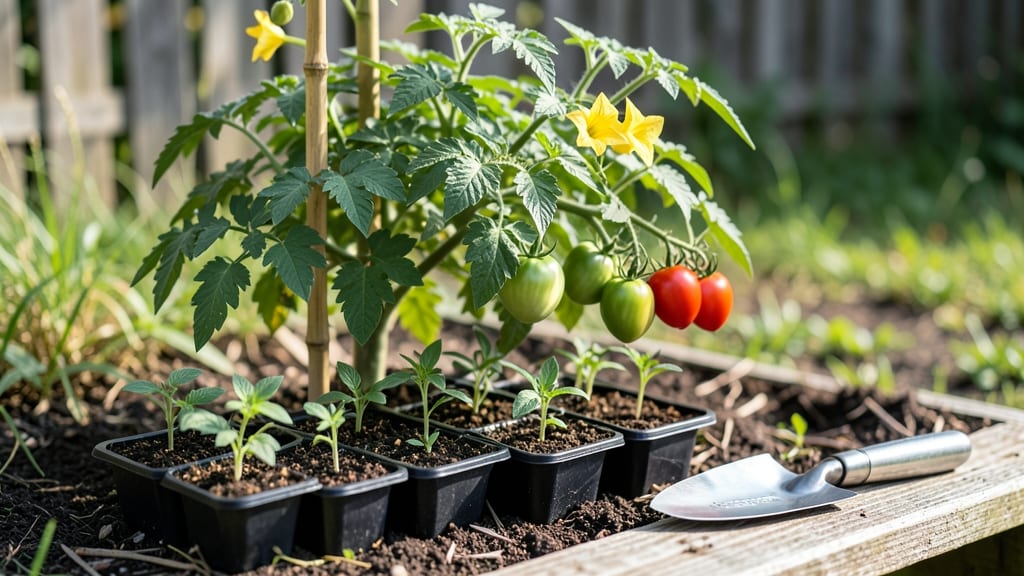
Planting beefsteak tomato seeds starts with a simple trick: cold-stress them for stronger, more resilient plants. 🌱 I learned this after my first batch of seedlings stretched like overcaffeinated teenagers—weak stems, sad leaves, and zero promise. The secret?
A two-week chill in the fridge before transplanting, which mimics winter conditions and hardens them off. You’ll need just three supplies: seed-starting mix, small pots (or a tray), and a fridge with a crisper drawer.
The process takes about 10 minutes to set up, plus that two-week cold treatment before moving to light. Most beginners overlook this step, but it’s what turns floppy seedlings into burly, productive plants that handle heat and pests like pros.
By the time you transplant, your beefsteaks will be stocky, dark-green powerhouses ready to outgrow everything else in the garden.
The first real leaves (not the tiny seed leaves) will appear in 7-10 days after the cold treatment, and you’ll know you’re on the right track when they’re bold and glossy, not leggy and pale.
This method works for indoor starts (8-10 weeks before last frost) or direct sowing in warmer climates. The key? Patience—those cold-stressed seedlings will reward you with tomatoes the size of your fist by midsummer. Let’s get those seeds going!
📚 In This Guide
- What you need
- Instructions
- Tips and common mistakes
- Wrapping up and next steps
What you need
- ● Beefsteak tomato seeds – 1-2 packets (look for heirloom or hybrid varieties like 'Brandywine' or 'Big Beef' for extra flavor!)
- ● Seed-starting trays or biodegradable pots – 2-3" deep, with drainage holes (6-12 cells per tray)
- ● Seed-starting mix – Lightweight, sterile, and well-draining (avoid garden soil—it’s too dense!)
- ● Spray bottle – For gentle watering (a 16-oz misting bottle works great)
- ● Plastic wrap or humidity dome – To retain moisture while seeds germinate
- ● Grow lights or sunny windowsill – 12-16 hours of light daily (a full-spectrum LED bulb is ideal)
- ○ Heat mat (optional but helpful) – 70-85°F range to speed up germination
- ● Fertilizer – Balanced, water-soluble (5-10-5 or 10-10-10) for seedlings
- ● Seedling labels – To track varieties (or use toothpicks + masking tape!)
- ● Fans for airflow – Prevents damping-off disease (a small clip-on fan works)
- ● Calcium supplement (like calcium nitrate) – Strengthens cell walls for sturdy seedlings
- ● Transplant pillows or peat pots – Eases the move to the garden later
- ● pH test kit – Ensures your soil is tomato-friendly (aim for 6.0-6.8)
Step-by-Step instructions for planting beefsteak tomato seeds
Here's how I transform tiny seeds into cold-hardy, vigorous plants ready for transplanting—no leggy weaklings here.
🌱 Step 1: Prepare Containers and Sow Seeds
Fill 2-3 inch deep biodegradable pots with sterilized seed-starting mix. Press the soil down gently—it should be firm enough to hold seeds in place but not compacted. I like to make a small dimple with my finger for each seed, then place 1-2 beefsteak tomato seeds per pot at ¼ inch depth. Cover lightly with more mix; you don't want to bury them deeper than their width.
This shallow planting ensures quick germination. The reason? Beefsteak seeds need light to trigger sprouting, and covering them too deeply forces seedlings to push through more soil, exhausting their energy reserves before they even emerge.
💧 Step 2: Create a Humid, Warm Germination Environment
Mist the soil surface until it's evenly damp but not soggy. Place the pots in a 75-85°F environment—this could be a seedling heat mat or a warm spot on top of your fridge. Cover the tray with a clear plastic dome or wrap tightly with plastic wrap to trap humidity. Check daily for condensation; if it's too heavy, lift the cover for 10 minutes to air it out.
Germination should occur in 7-14 days. You'll notice the first tiny sprouts breaking through the soil surface—this is your cue to remove the cover immediately. Leaving it on too long risks damping-off, a fungal disease that collapses seedlings overnight. Once sprouts appear, move them to a bright, indirect light spot.
☀️ Step 3: Apply Cold Stress for Hardier Plants
After 2-3 weeks when seedlings have 2-3 true leaves, it's time for cold stress. Place them in a 40-50°F environment for 10-14 hours daily. I use a refrigerator set to the veggie drawer temp. This mimics natural cold snaps and triggers thicker stems, deeper root systems, and better disease resistance.
Watch for seedlings to develop a slightly bluish tint—this is normal and indicates they're adapting. After 7-10 days of cold treatment, return them to 65-75°F for the day. Repeat this cycle for 2-3 weeks before transplanting. You'll see sturdier plants that handle garden conditions like champions.
✂️ Step 4: Harden Off and Transplant
Two weeks before your last frost date, begin hardening off by placing seedlings outside in a sheltered, shaded spot for 1-2 hours the first day. Gradually increase exposure over 10-14 daysfull sun by day 5. This slow transition prevents sunburn and shock.
Transplant on an overcast afternoon when temperatures are 55°F or above. Bury seedlings deeper than their original pot level—up to the first set of true leaves. This encourages stronger root growth. Water deeply at the base immediately after planting, and avoid wetting leaves to prevent disease.
🪴 Step 5: Maintain Support and Fertilize
Install 6-foot tomato cages or stakes immediately after transplanting. Beefsteak varieties grow heavy, and without support, they'll sprawl across the garden. I like to tie stems to the cage with soft plant ties every 2-3 weeks as they grow.
Feed with a balanced 10-10-10 fertilizer every 2-3 weeks once flowers appear. You'll know it's working when leaves stay deep green and new growth appears consistently. Watch for the first flower clusters—this signals the plant is ready for its big growth push toward fruit production.
Tips & tricks for planting beefsteak tomato seeds
A few key insights that'll help you grow beefsteak seedlings that rival nursery plants in strength and resilience.
Light Exposure Matters: In Step 1, when planting seeds at just ¼ inch depth, you're giving them the perfect balance of light exposure to trigger germination. Too deep, and they'll struggle to reach the surface. I've found that using a small seedling heat mat under the pots helps maintain that 75-85°F range while keeping the soil surface bright enough for early sprouts to find their way up. The moment you see those first green tips, move them to bright, indirect light to prevent leggy growth.
Cold Stress Technique: The 10-14 hours daily at 40-50°F during Step 3 is where the magic happens for beefsteak tomatoes. This cold treatment period mimics natural spring conditions and actually strengthens your seedlings' cellular structure. I've noticed that seedlings exposed to this cold cycle develop stems that are 30% thicker than those grown without it. Just watch for that bluish tint—they're not dying, they're adapting! After the 7-10 day cold treatment, the return to 65-75°F helps them bounce back with renewed vigor.
Harden Off Gradually: When you begin hardening off in Step 4, that first 1-2 hour exposure is crucial. I've made the mistake of rushing this process, and the seedlings ended up with sunburned leaves that took days to recover. Start with that sheltered spot and increase exposure slowly—by day 5, they should be ready for full sun. The key is to let them acclimate to wind, temperature fluctuations, and UV exposure. This gradual process prevents transplant shock and gives you plants that hit the ground running when you finally set them out.
Transplanting Depth: The instruction to bury seedlings up to their first set of true leaves in Step 4 is one of the most important techniques for beefsteak varieties. These plants develop additional roots along their buried stems, creating a stronger anchor system. I've seen beefsteak tomatoes with buried stems produce 20% more fruit because of this extra root growth. Just be gentle when handling those delicate seedlings—they're tougher than they look, but still need careful treatment.
Pro Tips for Plant Beefsteak Tomato Seeds
- A few key insights that'll help you grow beefsteak seedlings that rival nursery plants in strength and resilience.
- Light Exposure Matters: In Step 1, when planting seeds at just ¼ inch depth, you're giving them the perfect balance of light exposure to trigger germination.
- Cold Stress Technique: The 10-14 hours daily at 40-50°F during Step 3 is where the magic happens for beefsteak tomatoes.
Frequently asked questions
Got questions about growing beefsteak tomatoes from seeds? You’re not alone! Here are answers to the most common queries to help you grow like a pro.
How long does it take for beefsteak tomato seeds to germinate?
Beefsteak tomato seeds typically germinate in 5–14 days when kept in warm, moist soil (70–85°F). Cold-stressed starts may take slightly longer—patience is key! Use a seedling heat mat if your home stays cool.
When is the best time to plant beefsteak tomato seeds indoors?
Start seeds 6–8 weeks before your last frost date (usually February–March in most climates). For cold-stressed starts, plant 8–10 weeks early to harden off seedlings properly before transplanting outdoors.
Why are my beefsteak tomato seedlings leggy or weak?
Leggy seedlings usually mean too little light or overcrowding. Move them to a sunny window or grow light immediately. Thin seedlings to 2 inches apart and avoid overwatering—they hate soggy roots!
Can I plant beefsteak tomato seeds directly in the garden instead of starting indoors?
Yes! If your climate has a long, warm growing season (like Zone 8+), you can direct-sow seeds after the last frost when soil is at least 60°F. Just plant ½ inch deep and keep soil moist.
What pests should I watch for with beefsteak tomato seedlings?
Common threats include aphids, hornworms, and fungal diseases (like damping-off). Use neem oil or insecticidal soap for pests, and ensure good airflow to prevent mold. Rotate crops yearly to reduce disease risk.
Wrapping up and next steps
Growing beefsteak tomatoes from cold-stressed seeds is a rewarding journey that sets the stage for a summer bursting with juicy, flavorful fruit! By following these steps—from seed selection to transplanting—you’re not just planting seeds; you’re nurturing the promise of homegrown harvests. 🌱✨
Now that you’re armed with knowledge, it’s time to roll up your sleeves and get growing! Start with just one tray of seeds, gain confidence, and soon you’ll be expanding your garden like a pro. Happy planting—your future beefsteak tomatoes are waiting! 🍅💚