
Planting
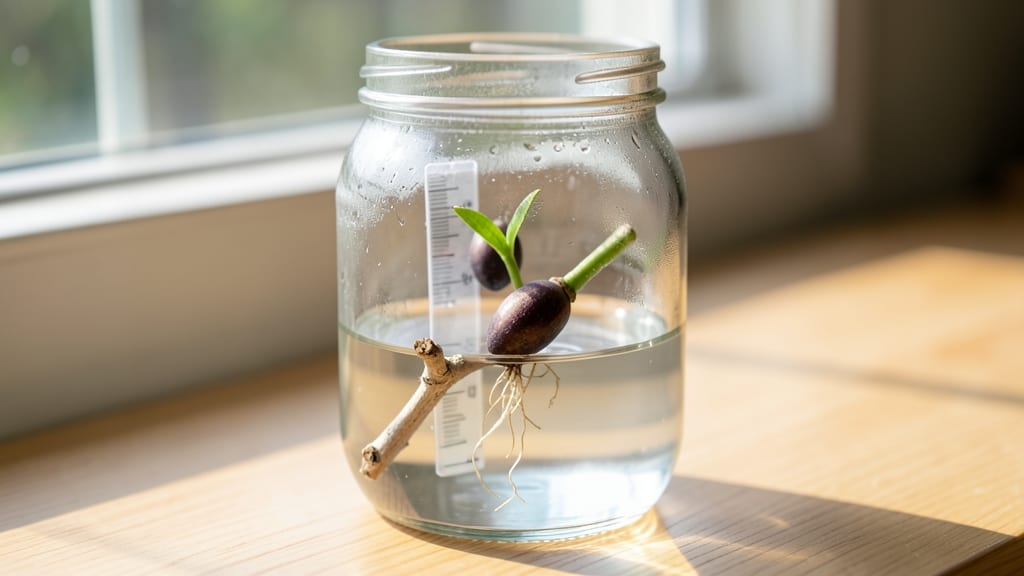
Planting a mango seed in water is the easiest way to start your own tropical tree—no soil, no mess, just pure curiosity. 🌱 I’ve sprouted three mango seedlings this way, and every time, those first roots breaking through the water’s surface feels like magic.
The key is patience and keeping the water fresh, because stagnant water turns into a root’s worst enemy.
You’ll need just three things: a fresh mango seed (save the biggest, plumpest one from your fruit), a clear glass or jar, and clean water. No fancy tools—just what you’ve got.
The seed should float for a few days before roots appear, usually within 7-10 days, and by 3 weeks, you’ll have a 2-3 inch root system ready for soil. The hardest part? Waiting.
Once those roots hit 2 inches, you’ll transplant into soil, and that’s when the real fun begins. The seedling grows faster than you’d expect—within months, you’ll be pinching off leaves to encourage bushier growth.
Just watch for mold (change the water weekly) and leggy stems (rotate the glass for even light).
This method works anywhere, even in apartments, because you’re not tied to a garden. By summer, your seedling could be 18 inches tall—proof that the best trees start with a single seed and a little water. Ready to begin?
📚 In This Guide
- What you need
- Instructions
- Tips and common mistakes
- Wrapping up and next steps
What you need
- ● Fresh mango seed: Choose a seed from a ripe, organic mango (the fresher, the better!). Avoid seeds from store-bought mangoes treated with preservatives.
- ● Clean water: Use filtered or distilled water (tap water is fine, but avoid heavily chlorinated water). Aim for 2–3 cups (500–750 mL) per container.
- ● Clear glass or jar: A 16–24 oz (500–700 mL) container with a wide mouth (like a mason jar or baby food jar) works best. Transparency helps monitor root growth!
- ● Paper towels or coffee filters: A few sheets to wrap the seed (or use a damp cloth as an alternative).
- ● Rubber band or string: To secure the seed wrap.
- ● Pencil or toothpick: For gently prodding the seed if needed.
- ○ Patience and sunlight: A sunny windowsill or a grow light (optional but helpful for faster sprouting).
- ● Grow light: If your space lacks natural sunlight, a small LED grow light can speed up germination.
- ● Hydroponic nutrients: Once roots sprout, a tiny drop of diluted hydroponic solution (like seaweed extract) can boost growth.
- ● Small pot and potting mix: For transplanting later (choose a 4–6 inch pot with well-draining soil).
- ● Humidity dome or plastic wrap: Creates a mini greenhouse effect to retain moisture during early stages.
- ● Notebook or camera: To track progress and celebrate milestones!
Step-by-step instructions for growing a mango tree from a seed in water
Skip the soil and watch your mango seed sprout roots in just days—here's how to do it right.
💧 Step 1: Select and Prepare the Seed
Start with a fresh, plump mango seed—avoid dried or cracked ones. Rinse it under cool water to remove any fruit residue, then pat dry with a paper towel. The seed's outer shell is tough, so I like to gently rub it with sandpaper to create tiny scratches. This helps water penetrate later and speeds up germination.
Place the seed in a small glass or jar with about 2 inches of room-temperature water. Make sure the seed is fully submerged—only the top 1/4 inch should stay above water. Use a pencil to hold it in place if needed. Change the water every 2-3 days to prevent bacteria buildup. You'll know it's ready when you see tiny white roots emerging from the bottom.
🌱 Step 2: Monitor Root Growth and Maintain Water Levels
Keep the jar in a warm, bright spot—70-80°F works best. You'll see roots appear in 1-2 weeks, starting as thin white strands. Roots grow fastest when the water stays clean and the seed stays submerged. I like to use a clear container so I can watch the progress daily—it's oddly satisfying!
Once roots reach about 2-3 inches long, they'll start branching out. This is your signal to keep the water level consistent—never let it drop below the roots. If mold appears on the water's surface, dump it and rinse the seed gently before refilling with fresh water. Healthy roots should look firm and white, not mushy or brown.
☀️ Step 3: Transition to Soil and Plant Your Seedling
After 3-4 weeks, when roots fill the jar and look robust, it's time to plant. Fill a small pot with well-draining soil—mix equal parts potting mix and perlite. Make a hole in the center 1 inch deep and place the seed with its roots pointing downward. Gently press soil around it to secure it without compacting.
Water lightly until the soil feels moist but not soggy. Place the pot in bright, indirect light for the first week—direct sun can shock the young seedling. You'll see the first true leaves appear in 2-3 weeks after planting. This is your reward for patience! Keep the soil consistently moist but never waterlogged.
🌿 Step 4: Care for Your Young Mango Tree
Once planted, your mango tree needs bright, indirect light for the first month. After that, gradually introduce it to morning sun to harden it off. Fertilize lightly with a diluted houseplant fertilizer every 4-6 weeks during growing season. You'll know it's thriving when new leaves grow quickly and the stem stays sturdy.
Mango trees grow slowly—don't expect fruit for years! Prune leggy growth by pinching back the top set of leaves to encourage bushier growth. If leaves yellow, it's usually a sign of overwatering. Let the top inch of soil dry out between waterings. With time, your seedling will grow into a strong, healthy tree that could one day bear fruit.
Tips & tricks for growing a mango tree from a seed in water
Here's what I learned the hard way after watching my first mango seed fail to sprout—these tricks make all the difference.
Seed Preparation: Don't skip the sandpaper step! The tough outer shell can delay germination by weeks. I rub mine gently with fine-grit sandpaper until I see tiny scratches—this lets water penetrate and speeds up those first root sprouts. Just be careful not to damage the seed itself.
Container Choice: Clear glass jars work best because you can watch the roots grow daily (it's oddly satisfying!). If using a plastic container, make sure it's food-safe and has drainage holes—roots need oxygen too. I like to use a jar with a wide mouth so I can easily change the water without disturbing the seed.
Temperature Matters: The 70-80°F range is critical—this mimics tropical conditions where mango trees thrive naturally. If your home is cooler, place the jar on top of a refrigerator or near a sunny window. Avoid drafty spots or direct heat sources like radiators, which can cause uneven growth or stress the seed.
Root Care: Once roots hit 2-3 inches, they'll start branching. This is when you need to be extra vigilant about water levels—never let roots dry out or they'll turn brown and mushy. I like to use a marker on the jar to track water levels so I can change it every 2-3 days without guessing.
Pro Tips for Plant A Mango Seed In Water
- Here's what I learned the hard way after watching my first mango seed fail to sprout—these tricks make all the difference.
- Seed Preparation: Don't skip the sandpaper step!
- Container Choice: Clear glass jars work best because you can watch the roots grow daily (it's oddly satisfying!).
Frequently asked questions
Got questions about growing a mango tree from a seed? You’re not alone! Here are some of the most common queries—and their answers—to help you succeed.
How long does it take for a mango seed to sprout in water?
A mango seed typically sprouts roots within 2–4 weeks when kept in water. The shoot may appear slightly later, sometimes taking an extra 1–2 weeks. Patience is key—keep the water fresh and warm (around 70–80°F) for the best results!
Why is my mango seed rotting in water?
Rotting usually happens from too much water, stagnant water, or a damaged seed. To fix it:
- Drain excess water and let the seed dry slightly between changes.
- Use fresh, filtered water every 2–3 days.
- Check for mold—if present, rinse the seed and replant it in a dry paper towel for 24 hours before retrying water.
Can I plant the seed directly in soil instead of water?
Yes! Some gardeners prefer soil germination for faster root development. Here’s how:
- Soak the seed for 24 hours first to kickstart sprouting.
- Plant it 1–2 inches deep in moist, well-draining soil.
- Keep the soil warm (use a heat mat if needed) and consistently damp.
How do I know if my mango seedling is healthy?
A healthy seedling has:
- White, firm roots (not brown or mushy).
- A straight, green shoot with no yellowing.
- No foul odor (a sign of rot).
Will a mango tree grown from seed taste like the parent fruit?
Probably not! Seed-grown mangoes are unpredictable—they may produce smaller, different-tasting fruit or even no fruit at all for years. For consistent flavors, grafted trees are the way to go. But hey, it’s still fun to grow your own tree!
Wrapping up and next steps
Planting a mango seed in water is a simple, rewarding way to grow your own tree—and you’ve got all the tools to succeed! 🌱 With patience and care, you can watch roots sprout in just a few weeks, setting the stage for a thriving plant.
Once your seedling is ready, the next exciting step is transplanting it into soil—whether a pot or garden bed—to help it grow into a full, fruit-bearing mango tree.
Don’t let small setbacks discourage you; gardening is a journey of learning and joy. Happy planting, and may your mango tree flourish! 🌿