
Propagation
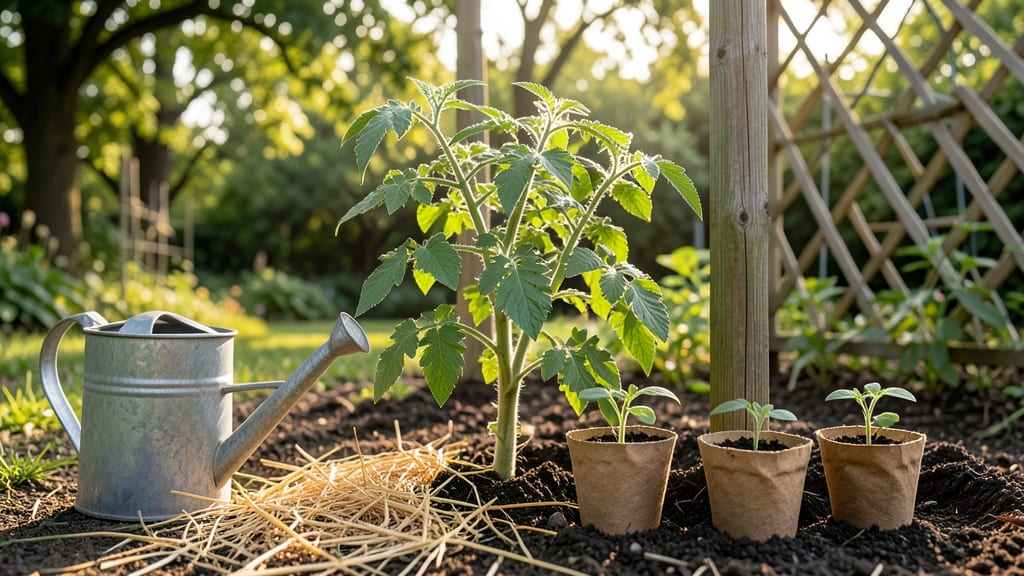
Growing tomatoes from seed outdoors means you’ll taste sun-ripened fruit that store-bought can’t match—80 days from seed to harvest if you nail the timing and conditions. 🌱 I’ve started tomatoes outside in May for years, and the difference between seed-grown plants and nursery starts is night-and-day: bigger yields, deeper flavor, and varieties you’ll never find at the garden center.
The trick starts with soil prep—tomatoes hate soggy roots but need consistent moisture. Mix compost into your planting bed (or use a raised bed) to improve drainage, and wait until nighttime temperatures stay above 50°F before sowing.
Direct-sowing skips the transplant shock entirely, though it requires patience—seeds take 7-14 days to sprout, and seedlings grow slowly at first.
By midsummer, you’ll be pinching off early blooms to focus the plant’s energy on root and stem growth. The payoff? Bursting red tomatoes that ripen straight on the vine, sweet and juicy enough to make store-bought taste like cardboard.
Even my first attempt produced enough sauce to feed the neighborhood—though I did lose a few plants to late blight (learned that the hard way).
This method works best in zones 5-10 with at least 6-8 hours of sunlight daily, but container growers can adapt it too. The key is adjusting watering as the plants mature—deep soaks twice a week replace light sprinkles.
Ready to skip the nursery and grow your own? Let’s get those seeds in the ground.
📚 In This Guide
- What you need
- Instructions
- Tips and common mistakes
- Wrapping up and next steps
What you need
- ● Tomato seeds: Choose heirloom, hybrid, or disease-resistant varieties (e.g., Cherry, Beefsteak, Roma). Buy 10–20 seeds per plant for better success rates.
- ● Seed-starting mix: 1–2 bags (1–2 cubic feet) of sterile, seedling-friendly potting mix (avoid garden soil).
- ● Containers: Seed trays or cell packs (50+ cells) for early growth.
- ● Biodegradable pots (3–4 inches deep) or peat pots for transplanting.
- ○ Grow lights or sunny windowsill: A full-spectrum LED grow light (optional but helpful for indoor starts).
- ● Watering can or spray bottle: With a fine mist nozzle for gentle hydration.
- ● Fertilizer: Balanced liquid fertilizer (e.g., 10-10-10) for seedlings.
- ● Slow-release granular fertilizer (e.g., 5-10-10) for transplanting.
- ● Garden beds or large containers: At least 18–24 inches deep (tomatoes need room to grow!).
- ● Compost or aged manure: 1–2 gallons per plant to enrich soil.
- ● Mulch: Straw or shredded leaves to retain moisture and suppress weeds.
- ● Stakes or cages: 5–6 feet tall (bamboo, metal, or tomato cages work great).
- ● Pruning shears: For trimming suckers and shaping plants.
- ● Heat mat (for indoor starts in cool climates).
- ● Row covers (to protect seedlings from pests or frost).
- ● pH test kit (ideal soil pH: 6.0–6.8 for tomatoes).
- ● Organic pest control (e.g., neem oil, insecticidal soap).
Step-by-step instructions for growing tomatoes from seed outdoors
Here's my battle-tested method for turning tiny seeds into robust tomato plants ready for your garden in just 80 days.
🌱 Step 1: Time Your Planting for Optimal Germination
Start seeds 6-8 weeks before your last frost date—this ensures seedlings are sturdy enough to handle outdoor conditions by early summer. I check my local frost calendar and mark the date 8 weeks prior on my gardening planner. For example, if your last frost is May 15, begin seeds around March 15.
Tomatoes thrive in warm soil, so I always plant seeds after the danger of frost has passed in my region. If you're in a cooler climate, consider using black plastic mulch to warm the soil faster. The key is consistent soil temperatures above 60°F—any cooler, and germination slows dramatically.
💧 Step 2: Prepare the Outdoor Seedbed or Containers
Choose a sunny, sheltered spot with full sun exposure (6+ hours daily) and well-draining soil. I prefer raised beds because they warm up faster in spring. If using containers, select 5-gallon pots—they hold enough soil to support a full-grown tomato plant without toppling.
Loosen the top 6 inches of soil with a garden fork to improve aeration, then mix in 2 inches of compost to boost fertility. Avoid fresh manure—it can burn seedlings. For containers, fill with a mix of 50% potting soil and 50% compost. Water the bed or pots thoroughly 24 hours before planting to ensure even moisture.
☀️ Step 3: Sow Seeds at the Right Depth and Spacing
Plant seeds ½ inch deep and 1 inch apart in rows spaced 18 inches apart. I use a small stick to poke holes and drop 2-3 seeds per spot—this accounts for uneven germination. Cover lightly with soil and mist the surface with water until damp (not soggy). Overwatering here can cause seeds to rot before sprouting.
Label each row with the tomato variety and planting date—seedlings grow fast, and you’ll forget which is which by harvest time. If you’re using containers, plant one seed per pot to avoid crowding. Keep the soil consistently moist until true leaves appear (about 7-14 days).
✂️ Step 4: Thin Seedlings and Harden Off for Transplanting
Once seedlings reach 2 inches tall, thin to the strongest plant per spot by snipping weaker stems at the base with scissors. This prevents root disturbance. I wait until afternoon to transplant thinned seedlings to reduce shock—roots recover better in cooler evening temps.
Start hardening off seedlings 10-14 days before transplanting. Place them outside in a shaded, sheltered spot for 1-2 hours the first day, gradually increasing time each day. By day 7, they should tolerate full sun for 4-6 hours. Watch for wilting or leaf scorch—if it happens, they’re not ready yet.
🪴 Step 5: Transplant and Support for Maximum Fruit Production
Transplant seedlings after all danger of frost has passed and soil is at least 60°F. Dig holes twice as wide as the root ball to encourage root spread. Bury stems deeper than the original soil line—this promotes stronger root systems. Space plants 18-24 inches apart in rows 36 inches apart for airflow.
Install cages or stakes immediately—tomatoes grow fast, and supporting them early prevents broken stems. Water deeply right after transplanting to settle the soil and reduce shock. Mulch with 2 inches of straw or grass clippings to retain moisture and suppress weeds. You’ll see new growth within 7-10 days—that’s your sign the plants are thriving.
Tips & tricks for perfect tomato seed starting
I learned these tricks after watching my first batch of tomato seeds fail—here's what actually works.
Germination Temperature: If your soil feels cooler than 60°F during germination, place a heating mat underneath your seed trays. I've seen germination rates double when soil stays consistently warm. A simple seedling heat mat (around $15) makes all the difference in cooler climates.
Lighting Strategy: After those first true leaves appear (around 7-14 days), move seedlings to a south-facing window or under grow lights for 14-16 hours daily. Natural light alone often isn't sufficient—supplement with LED grow lights if your windows don't get full sun. This prevents leggy, weak seedlings that struggle later.
Thinning Technique: When thinning to your strongest seedling in Step 4, use clean scissors to snip at soil level rather than pulling. This prevents disturbing roots of neighboring plants. I also recommend thinning on a cloudy day—less stress on the remaining seedlings from direct sun.
Transplanting Hack: Before transplanting, give your seedlings a final drink of water about 2 hours beforehand. This helps roots stay intact during the move and reduces transplant shock. I've noticed plants establish themselves 3-4 days faster when pre-watered this way.
Pro Tips for Grow Tomatoes From Seed Outdoors
- I learned these tricks after watching my first batch of tomato seeds fail—here's what actually works.
- Germination Temperature: If your soil feels cooler than 60°F during germination, place a heating mat underneath your seed trays.
- Lighting Strategy: After those first true leaves appear (around 7-14 days), move seedlings to a south-facing window or under grow lights for 14-16 hours daily.
Frequently asked questions
Got questions?
Growing tomatoes from seed is rewarding but can feel tricky at first. Here are answers to the most common concerns—so you can focus on watching those vines thrive!
When is the best time to start tomato seeds indoors vs. outdoors?
Start seeds 6–8 weeks before your last frost date indoors (e.g., late winter/early spring in most zones). Transplant seedlings outdoors after soil warms to 50°F+ and night temps stay above 50°F—usually 2–3 weeks before your last frost. Direct-sow outdoors only in warm climates (Zone 8+) or use cold frames for earlier starts.
What if my seedlings get leggy or weak before transplanting?
Leggy seedlings happen from too much light or not enough. Move them to a sunny south-facing window or under grow lights (12–16 hours/day). Bury stems deeper when transplanting—up to the first leaves—to encourage strong roots. Avoid overcrowding trays, and fertilize lightly with a balanced solution (like 10-10-10) when true leaves appear.
How do I protect my tomato plants from pests and diseases?
Prevent pests with row covers (for early season) and crop rotation (avoid planting tomatoes in the same spot yearly). Watch for hornworms, aphids, and blight. Remove affected leaves immediately, and water at the base (not overhead) to reduce fungal risks. Neem oil or insecticidal soap can help for mild infestations.
Can I grow tomatoes in containers, and what’s the best setup?
Yes! Use 5-gallon+ containers for determinate varieties (bush types) and 10+ gallons for indeterminate (vining types). Add well-draining potting mix and a time-release fertilizer. Place containers in full sun (6+ hours/day) and stake or cage plants early to support growth. Dwarf varieties like ‘Tiny Tim’ or ‘Patio’ are perfect for pots!
Why aren’t my tomato flowers turning into fruit?
This is often due to temperature stress (below 55°F or above 90°F), lack of pollinators, or over-fertilizing with nitrogen. Hand-pollinate flowers by gently shaking plants or using a small brush. Ensure consistent watering and balanced fertilizer (like 5-10-10). If temps are extreme, use shade cloth during heatwaves.
Wrapping up and next steps
Growing tomatoes from seed outdoors is a rewarding journey that connects you to the earth and your harvest—and yes, you’ve got this! 🌱 With the right soil, sunlight, and patience, you’ll soon be savoring homegrown fruit in just 80 days.
Start small, stay consistent, and don’t hesitate to troubleshoot along the way.
Your next step? Plant those seeds! Grab your supplies, follow the steps, and watch your garden transform into a thriving tomato paradise. Happy growing—your future salads (and bragging rights) are waiting! 🍅✨