
Size
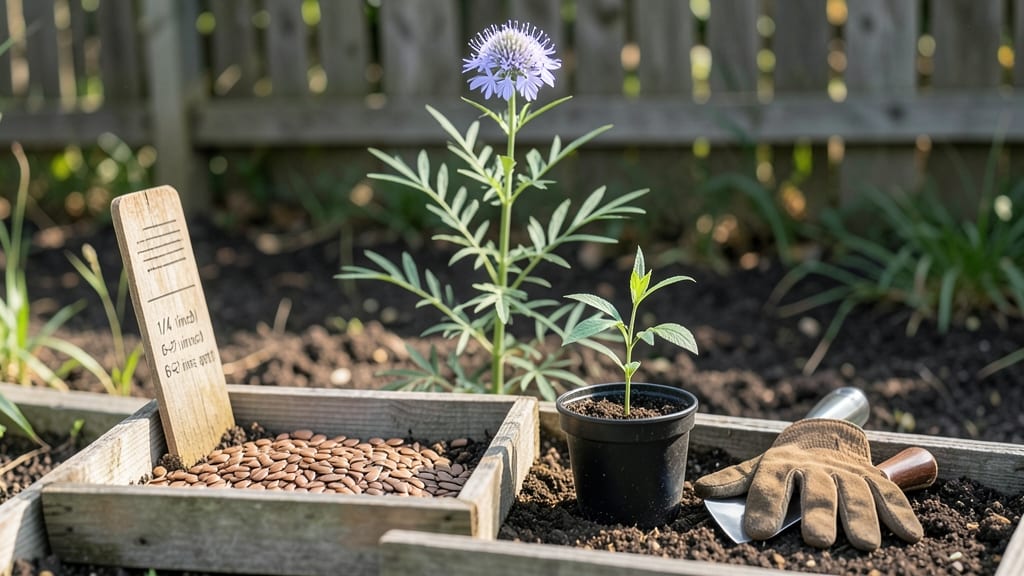
How to grow flax seed plants means golden harvests in just 60 days—whether you want crispy seeds for baking or sturdy stems for fiber. 🌱 I learned the hard way that flax thrives with patience and precision, especially when it comes to cold stratification, which mimics winter conditions to break seed dormancy. The payoff? A plant that’s shockingly versatile, producing both edible seeds and industrial-quality fiber from the same field.
Start with well-draining soil (sandy loam works best) and a sunny spot getting at least 6 hours of light daily. Flax seeds need to be planted ¼-inch deep, spaced 6 inches apart in rows 12 inches apart—crowding them leads to weak stems and poor seed production.
If you’re transplanting, do it after the last frost when soil reaches 50°F, but direct sowing in early spring often yields better results since flax dislikes being disturbed.
Watering is the trickiest part: flax hates soggy roots but wilts fast in dry soil. Keep the ground evenly moist (about 1 inch of water per week) until plants reach 12 inches tall, then let it dry slightly between waterings.
The real magic happens when you notice those blue-purple flowers—that’s when seed heads form. If you’re growing for fiber, harvest stems at full bloom before seeds swell; for seeds, wait until pods turn golden and rattle when shaken.
Common mistakes? Over-fertilizing (flax prefers lean soil) and harvesting too late (seeds shatter easily). For best results, mulch lightly to retain moisture and thin seedlings if they get crowded.
Whether you’re aiming for flaxseed oil or linen fiber, this plant delivers—just don’t rush it. Patience here means bigger yields and better quality.
📚 In This Guide
- What you need
- Instructions
- Tips and common mistakes
- Wrapping up and next steps
What you need
- ● Flax seeds: 1–2 lbs (organic, untreated seeds work best). Look for Linum usitatissimum varieties like Linette or Redwood for optimal yield.
- ● Growing containers: For indoor sprouting (60-day method): A shallow tray (10" x 20") or mesh sprouting lid with drainage holes.
- ● For outdoor planting: A raised bed, garden plot (6" deep), or large pots (12"+ diameter) with drainage.
- ● Growing medium: For sprouting: A damp paper towel, sprouting mesh, or a mix of coconut coir and vermiculite.
- ● For outdoor soil: Well-draining, loamy soil (pH 6.0–7.0). Amend with compost or aged manure for fertility.
- ● Water source: Spray bottle (for sprouting) or a watering can with a gentle nozzle.
- ● Light source: For indoor sprouting: A grow light (LED, 12–16 hrs/day) or a sunny windowsill (south-facing).
- ● For outdoor plants: Full sun (6+ hours daily).
- ○ Cold stratification (optional but recommended): A refrigerator with a crisper drawer (for 7–14 days pre-sprouting).
- ● A seedling heat mat (to speed up germination indoors).
- ● Organic fertilizer (fish emulsion or compost tea) for outdoor plants.
- ● Plant labels (to track varieties if growing multiple types).
- ● Pruning shears (for harvesting seed heads later).
- ● Harvesting bags (breathable mesh or paper bags for drying seeds).
Step-by-Step guide to growing flax plants from seed
Here's how to cultivate healthy flax plants with minimal fuss—ideal for fiber, seeds, or ornamental use.
🌱 Step 1: Cold-Stratify Seeds for Faster Germination
Flax seeds need a cold period to break dormancy. Place them in a sealed container with a damp paper towel, then refrigerate for 2-4 weeks. Check weekly—if the towel dries, mist lightly. You'll see tiny roots emerge first, signaling readiness to plant.
Don’t skip this step—skipping stratification results in slow, uneven sprouting. I like to label the container with the date to track progress accurately.
💧 Step 2: Plant in Well-Draining, Fertile Soil
Fill a pot or garden bed with loose, well-draining soil mixed with compost. Flax hates soggy roots, so amend heavy soil with perlite or sand. Plant seeds ¼ inch deep, spacing them 6 inches apart for optimal growth.
Water gently after planting—just enough to moisten the soil without displacing seeds. You’ll notice first true leaves in 7-14 days, depending on your climate.
☀️ Step 3: Provide Full Sun and Consistent Moisture
Flax thrives in full sun (6+ hours daily). If growing indoors, place near a south-facing window or under grow lights. Keep soil consistently moist but not waterlogged—let the top inch dry between waterings.
Watch for leggy growth (stems stretching too tall). If this happens, your light is insufficient—move plants closer to the light source or supplement with a grow bulb.
✂️ Step 4: Thin Seedlings and Support Tall Stems
Once seedlings reach 2 inches tall, thin to the strongest plant per spot. Flax grows tall (up to 3 feet) and may need staking to prevent lodging. Insert stakes early—transplanting later risks disturbing roots.
Remove flowers if growing for fiber (to prevent seed production), but leave them if harvesting seeds. You’ll know it’s time to harvest when pods turn golden-brown and dry.
⏰ Step 5: Harvest Seeds or Fiber at Peak Maturity
For seeds, wait until pods are fully dry and brown. Cut stems and hang them upside down in a dry, airy space to finish drying. For fiber, harvest stems when fully mature but before seeds ripen—strip leaves and process for linen.
Store seeds in a cool, dry place for up to 2 years. Flax fiber can be processed immediately or stored in bundles until ready to spin.
Tips & tricks for growing healthy flax plants
Here's what nobody tells you about flax cultivation—small details that make all the difference between struggling plants and thriving crops.
Cold-Stratification Secret: For best results in Step 1, place your sealed container with flax seeds in the refrigerator's crisper drawer where humidity is higher. This mimics natural winter conditions and speeds up germination. I've found that checking seeds every 4-5 days (instead of weekly) prevents mold while maintaining moisture—just mist lightly if the towel feels dry to the touch. The moment you see those first white root hairs, your seeds are ready to plant.
Soil Preparation Hack: In Step 2, if you're working with heavy clay soil, mix in 20% perlite or coarse sand by volume to improve drainage. Flax roots are particularly sensitive to waterlogging, so test your soil's moisture by squeezing a handful—it should crumble when dry but not be bone-dry. Adding a handful of worm castings at planting time gives seedlings an extra nutrient boost without risking over-fertilization.
Light Management Strategy: For indoor growers in Step 3, supplement natural light with a 12-hour daily light cycle using a basic LED grow bulb. Position your plants 6-12 inches from the light source and rotate the pot daily to prevent leggy growth. I've seen flax seedlings stretch to twice their normal height when light is insufficient—watch for stems that look thin and elongated rather than sturdy and compact.
Harvesting Timing: In Step 5, when harvesting for seeds, wait until pods are completely dry and have turned a golden-brown color. To test readiness, gently rub a pod between your fingers—if it crumbles easily, seeds are ready. For fiber production, harvest stems when they're fully mature but before seeds fully ripen, typically when the lower pods begin turning color. Cut stems early in the morning when moisture levels are highest for easier processing later.
Pro Tips for Grow Flax Seed Plants
- Here's what nobody tells you about flax cultivation—small details that make all the difference between struggling plants and thriving crops.
- Cold-Stratification Secret: For best results in Step 1, place your sealed container with flax seeds in the refrigerator's crisper drawer where humidity is higher.
- Soil Preparation Hack: In Step 2, if you're working with heavy clay soil, mix in 20% perlite or coarse sand by volume to improve drainage.
Frequently asked questions
Got questions about growing flax seed plants? You’re not alone!
Here are answers to the most common queries—from timing to troubleshooting—to help you cultivate thriving flax with confidence.
How cold does it need to be for cold stratification?
Flax seeds thrive in 33–40°F (1–4°C) for cold stratification. Place them in a sealed bag with moist sand or peat moss, then refrigerate for 2–4 weeks. Avoid freezing—just keep them chilly! For faster germination, try a seed stratification mat set to 35°F (2°C).
Can I grow flax seeds indoors without a garden?
Flax grows well in containers (6+ inches deep) with 6–8 hours of sunlight daily (or a grow light). Use well-draining soil, keep it moist, and harvest seeds in 60–90 days. Just ensure good airflow to prevent mold—flax hates humidity!
What pests or diseases should I watch for?
Flax is generally pest-resistant, but watch for:
- Flax rust (orange spots on leaves)—remove infected plants and improve airflow.
- Aphids (tiny green bugs)—spray with soapy water or introduce ladybugs.
- Fungal issues (gray mold)—reduce watering and space plants 12+ inches apart.
Rotate crops yearly to prevent soil-borne problems.
Do flax plants need to be thinned? How close can they grow?
Thin seedlings to 6–12 inches apart once they’re 2–3 inches tall. Crowding reduces seed yield and increases disease risk. If space is tight, opt for dwarf varieties (like ‘Linette’), but expect slightly lower output. Mulch to retain moisture and suppress weeds!
What can I do with flax plants if I don’t want seeds?
Flax isn’t just for seeds! Use the leaves and stems too:
- Young leaves make a nutrient-rich green for smoothies or soups.
- Stems can be harvested young for fiber (like linen) or dried for potpourri.
- Flowers attract pollinators—great for companion planting!
Just avoid eating mature stems (they’re woody).
Wrapping up and next steps
Growing flax seed plants is a rewarding journey that yields nutrient-rich sprouts in just 60 days—no greenhouse or fancy equipment required! With the right cold-stratification technique and a few simple steps, you’ll harvest fresh, organic flax sprouts for salads, smoothies, or baking.
Whether you’re a beginner or a seasoned gardener, this method is simple, cost-effective, and packed with benefits.
Ready to sprout success? Start small—try a single tray of seeds—and let your confidence (and harvest!) grow. Once you master the basics, experiment with flaxseed varieties or even companion planting for even better yields. Happy growing! 🌱✨