
Propagation
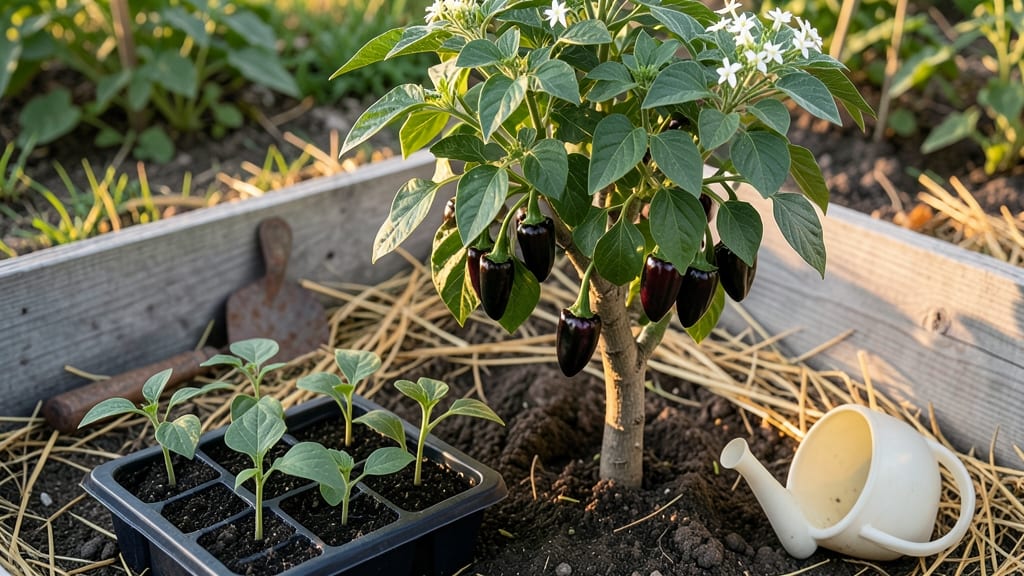
Growing black peppercorns from seed feels like unlocking a tiny piece of the tropics in your own home. 🌿 The journey starts with a single seed that could become the source of your own homegrown spice—no more buying jars from the store when you can grow the plant itself.
I’ve nurtured these vines through slow starts, patiently waiting for the first tendrils to appear, and now I’m sharing exactly how to do it.
Black pepper (Piper nigrum) thrives in warmth and humidity, mimicking its native tropical climate. You’ll need a cozy spot with bright, indirect light—think under grow lights or in a sunroom—and soil that stays consistently moist but never soggy.
The seeds can take 4-6 weeks to germinate, so patience is key. Once they sprout, they’ll grow quickly, climbing or trailing like a jungle vine in your care.
By year two, you’ll see tiny white flowers transform into green berries, which turn red and finally black as they ripen. The harvest is the most rewarding part—imagine picking your own peppercorns to dry and grind.
With the right conditions, your plant can live for 10+ years, producing spice year after year. The smell alone is worth the wait!
Indoor growers can keep their vines thriving year-round with supplemental light, while outdoor gardeners in USDA zones 10-12 can plant them in the ground. Just be prepared for slower growth in cooler climates—these plants are tropical through and through. Here’s how to set yours up for success!
📚 In This Guide
- What you need
- Instructions
- Tips and common mistakes
- Wrapping up and next steps
What you need
- ● Black pepper seeds: Fresh, high-quality seeds (10–20 seeds per plant; buy from a reputable supplier or extract from mature peppercorns).
- ● Well-draining potting mix: A blend of peat moss, perlite, and coconut coir (or a pre-mixed tropical seed-starting mix, ~2–3 gallons).
- ● Containers: Small pots (4–6 inches in diameter) or seed trays with drainage holes (1–2 per seed).
- ● Grow lights or sunny windowsill: A full-sun location (6+ hours/day) or a grow light (LED or fluorescent, 12–16 hours/day).
- ● Humidity dome or plastic wrap: To maintain moisture while seeds germinate.
- ● Watering can with a fine rose: For gentle hydration (avoid overwatering!).
- ● Fertilizer: A balanced liquid fertilizer (10-10-10 or 20-20-20) or organic options like compost tea (diluted).
- ● Support structure: A trellis, bamboo stakes, or small cage (for climbing vines; 6–8 feet tall).
- ○ Pruning shears: Sharp, sterilized shears for trimming (optional but handy for shaping).
- ● Heat mat: Keeps soil warm (75–85°F) to speed up germination.
- ● pH test kit: Ensures soil pH is 5.5–6.5 (peppercorns prefer slightly acidic soil).
- ● Mulch: Organic mulch (like shredded leaves) to retain moisture.
- ● Pest control: Neem oil or insecticidal soap (for aphids or spider mites).
- ● Journal or labels: To track planting dates, watering schedules, and growth milestones!
Step-by-step instructions for growing black peppercorn plants
Here's the method I've used to grow healthy pepper vines—patience pays off with aromatic harvests.
🌱 Step 1: Start Seeds Indoors in Warmth
Black pepper seeds need consistent warmth to germinate. I fill a small pot with moistened seed-starting mix and press one seed ½ inch deep—they're tiny, so I use a toothpick to place them precisely. Cover with a clear plastic dome or wrap to trap humidity, then place in a spot that stays 75-85°F.
Germination takes 3-6 weeks, so don't give up if nothing appears immediately. I check moisture daily—keep the soil damp but never soggy. Once the first true leaves appear (not the initial seed leaves), remove the cover immediately to prevent fungal growth.
☀️ Step 2: Provide Bright, Indirect Light
Pepper plants need bright, indirect light for strong growth. I place mine near an east-facing window where they get morning sun but avoid harsh afternoon rays. If using grow lights, position them 12-18 inches above the plants for 14-16 hours daily.
Watch for leggy stems—this means they're stretching toward light. If you see pale, elongated growth, move the plant closer to the light source or increase light exposure. Strong seedlings develop dark green leaves and thick stems.
🪴 Step 3: Transplant After True Leaves Form
When seedlings have 4-6 true leaves (about 8-12 weeks after sowing), transplant them into individual 4-inch pots with fresh potting mix. I gently remove the seedling, keeping as much soil around the roots as possible, then place it in the new pot at the same depth it grew before.
Water lightly after transplanting and place the pots in a warm, humid spot for a week to help the plant recover. Avoid fertilizing for 2-3 weeks—new roots need time to establish without competition.
✂️ Step 4: Prune and Train for Bushier Growth
Once your pepper plant reaches 12 inches tall, pinch off the top set of leaves to encourage branching. This creates a bushier plant with more pepper-producing stems. I also prune any yellow or damaged leaves immediately—they drain energy from the plant.
Support the vine with a small trellis or stake as it grows. Black pepper plants climb naturally, and proper support helps airflow around the plant, reducing disease risk. Keep training the main stems to climb upward while pruning side branches to maintain an open shape.
💧 Step 5: Maintain Consistent Moisture and Humidity
Black pepper plants thrive in 60-70% humidity. I water when the top 1-2 inches of soil feel dry, usually every 2-3 days in warm weather. Overwatering causes root rot, so always ensure pots have drainage holes and never let water pool in saucers.
Mist the leaves occasionally to maintain humidity, especially in dry climates. Fertilize monthly with a balanced liquid fertilizer once the plant is established. You'll know it's happy when new leaves appear regularly and the plant grows steadily upward.
Tips & tricks for growing black peppercorn plants
Real talk: Growing black peppercorns from seed is a marathon, not a sprint. These small details make all the difference between thriving vines and frustrated failures.
Germination Patience: The 3-6 week germination window is real—don't expect instant results. I've seen seeds sprout in 21 days and others take 42, so mark your calendar and check weekly. Place a damp paper towel over the pot to help track moisture without disturbing the seeds. If nothing appears after 6 weeks, try soaking fresh seeds in warm water for 24 hours before replanting.
Lighting Strategy: Those 14-16 hours of daily light are non-negotiable for strong seedlings. If your windows aren't sufficient, invest in a basic grow light—even a simple LED bulb will work better than nothing. I rotate my seedlings quarter-turn daily so they don't lean toward one light source. Watch for leaves touching the light shade; this means you need to raise it immediately.
Transplant Timing: The 8-12 week window for transplanting gives you flexibility, but don't wait too long. Seedlings with 4-6 true leaves should be transplanted before they become root-bound. I use a small fork to gently loosen the roots before placing them in the new 4-inch pots—this encourages faster establishment. After transplanting, I water lightly from the bottom to avoid disturbing the fresh roots.
Pruning Precision: When your plant reaches 12 inches, that first pinch above the top leaves sends a signal to branch out. I always use clean, sharp scissors to make clean cuts—never tear leaves. For support, I use bamboo stakes tied loosely with twine so the plant can grow into them. The key is to train the main stem upward while allowing side branches to develop naturally for pepper production.
Pro Tips for Grow Black Peppercorn From Seed
- Real talk: Growing black peppercorns from seed is a marathon, not a sprint.
- Germination Patience: The 3-6 week germination window is real—don't expect instant results.
- Lighting Strategy: Those 14-16 hours of daily light are non-negotiable for strong seedlings.
Frequently asked questions
Got questions about growing black peppercorns from seed? You’re not alone! Here are some of the most common concerns—and their answers—to help you succeed.
How long does it take for black pepper seeds to germinate?
Black pepper seeds can take anywhere from 2 to 4 weeks to germinate, depending on conditions like warmth (70–80°F) and moisture. Patience is key—keep the soil consistently damp and avoid overwatering, which can cause rot. If no sprouts appear after a month, the seeds may need a fresh start!
When can I expect my black pepper plant to produce peppercorns?
If you’re growing from seed, expect a 3–5 year wait before your plant produces mature peppercorns. Young plants focus on root and vine growth first. For faster results, consider transplanting a young nursery-grown plant, which may bear fruit in 1–2 years with proper care.
Can I grow black pepper indoors, or does it need a garden?
Yes! Black pepper thrives indoors with bright, indirect light (like a south-facing window) and a trellis for climbing. A greenhouse or sunroom works too. Just ensure high humidity (60–80%)—mist leaves or use a pebble tray. Outdoor gardens in USDA zones 10–12 are ideal, but container growing is a great alternative.
Why are my black pepper seedlings wilting or turning yellow?
Wilting or yellowing leaves often signal overwatering, underwatering, or pests. Check soil moisture—it should stay evenly damp but not soggy. Inspect leaves for spider mites or aphids (common in humid conditions). Adjust care: water at the base, improve drainage, or spray neem oil if pests strike.
How do I know if my peppercorns are ripe and ready to harvest?
Fresh black peppercorns start green, turn red, then black as they ripen (typically 6–9 months after flowering). For black pepper, harvest when fully black and dry. For green pepper, pick unripe fruits. Twist or snip clusters gently—avoid damaging the vine. Dry them in the sun or a dehydrator for that signature spicy kick!
Wrapping up and next steps
Growing black peppercorns from seed is a rewarding journey that connects you to the spice’s rich history—right in your own garden! 🌱 With patience, the right conditions, and a little care, you’ll soon enjoy fresh, fragrant peppercorns straight from your plants.
Now that you’ve got the know-how, why not expand your spice garden? Try growing other tropical plants like cardamom or vanilla next, or share your newfound skills with fellow gardening enthusiasts. Happy growing!