
Blooming
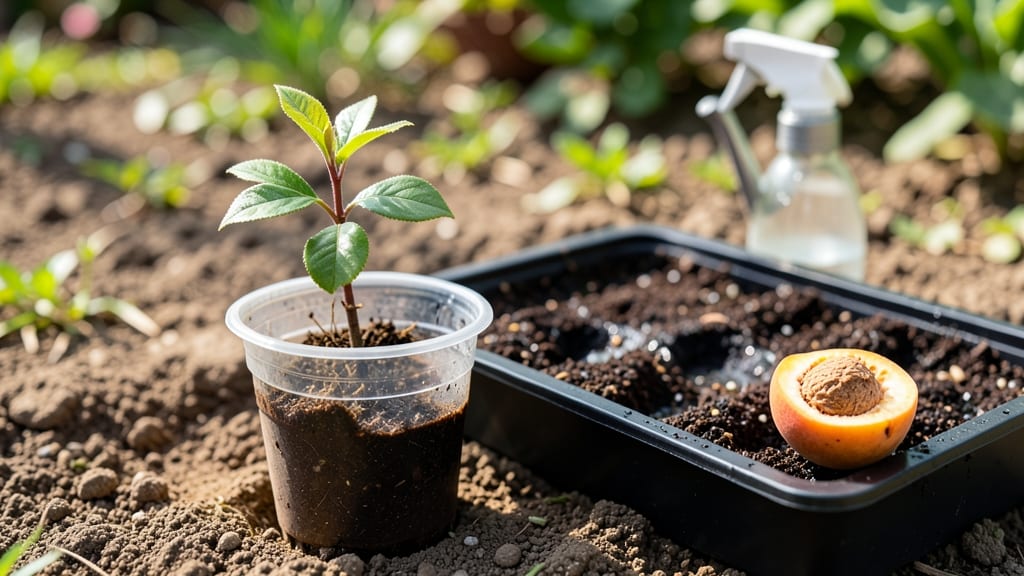
A peach seed takes 2 to 4 weeks to sprout after cold stratification, but most gardeners miss the key step that makes this timeline reliable.
Ever wondered if that peach pit in your fruit salad could grow into a tree? The answer is yes—but only if you understand the hidden germination timeline and cold stratification process most gardeners overlook. Without it, your seed might sit dormant for months, or worse, never break through the soil.
Peach seeds need a 12-week cold treatment (called stratification) to mimic winter conditions, tricking them into thinking it's time to grow. Too little time in the fridge, and the seed stays asleep; too long, and it rots.
Get it right, and you’ll see those first green shoots in just 3 to 6 weeks after planting.
In this guide, I’ll walk you through the exact steps—from when to start stratification to how to keep moisture and temperature perfect—so you don’t waste another season waiting for a 🍑 to sprout.


Peach seed germination timeline: from stratification to first sprout
Growing a peach tree from seed is a rewarding but patient process that requires understanding the three critical phases of germination. Unlike many seeds, peach pits (Prunus persica) need cold stratification to break dormancy—mimicking winter's natural conditions.
Without this step, your seed may never sprout, or it could take years to germinate. The entire process from stratification to first sprouts typically spans 8 to 16 weeks, depending on your climate and preparation.
Most gardeners rush the process by planting seeds too early, but peach seeds need consistent moisture and cool temperatures (35–45°F) for the first 4 to 6 weeks of stratification. This cold period signals the seed that winter has passed, triggering internal chemical changes that prepare it for growth.
Once stratification is complete, you’ll enter the germination window, where roots emerge first—often within 2 to 4 weeks—followed by the shoot breaking through the soil.
| Stage | Duration | Temperature (°F) | Key Actions |
|---|---|---|---|
| Cold Stratification | 4–6 weeks | 35–45°F | Moisten seed, place in fridge in damp paper towel |
| Root Development | 2–4 weeks | 60–70°F | Plant in well-draining soil, keep moist |
| Shoot Emergence | 3–6 weeks | 65–75°F | Provide sunlight, thin seedlings to strongest |
| Total Timeline: 8–16 weeks | |||
During the first 4 weeks of stratification, your peach seed is in a state of dormancy. This is when the seed’s internal hormones shift to prepare for germination. If you skip this step or use room-temperature storage, the seed may never break dormancy.
I recommend using a refrigerator for stratification—wrap the seed in a damp paper towel and place it in a sealed plastic bag to maintain moisture. Check weekly to ensure the towel stays damp but not soggy.
The root development phase begins once you transfer the stratified seed to warm soil (60–70°F). This is where most gardeners see their first signs of success: tiny white roots pushing through the seed coat.
In my experience, this phase takes 2 to 4 weeks, but it can be delayed if the soil is too cold or dry. To speed things up, use a heat mat or place your seedling tray near a sunny window. Keep the soil consistently moist—never waterlogged—to prevent rot.
Once roots appear, the shoot emergence phase begins, marking the most exciting part of the process. The shoot will break through the soil’s surface within 3 to 6 weeks, depending on light and temperature conditions.
This is when you’ll need to provide 6+ hours of sunlight daily to prevent leggy growth. I’ve found that using a grow light for 12–14 hours a day can accelerate this phase by up to 2 weeks, especially in cloudy climates.
One common misconception is that peach seeds will sprout quickly like vegetable seeds. In reality, the total germination time from stratification to first sprouts averages 10–14 weeks under ideal conditions. However, some seeds may take up to 6 months if stratification isn’t properly managed.
To maximize success, I recommend starting the process in late winter (February–March) so that shoots emerge just as spring planting season begins.
After the shoot emerges, the young seedling will need extra care to avoid damping-off disease. Transplant it into a larger pot with well-draining soil once it reaches 3–4 inches tall. Harden it off for 1–2 weeks before moving it outdoors after the last frost.
Remember, peach trees grown from seed may not produce fruit for 5–7 years, but the journey is worth it for the satisfaction of nurturing a tree from a single pit.
If you’re impatient for results, avoid the temptation to soak the seed overnight before stratification—this can actually reduce germination rates. Instead, focus on maintaining consistent moisture during stratification and providing warmth and light during the germination phases.
With these steps, you’ll see your first peach sprouts in as little as 8 weeks—or as long as 16 weeks if conditions aren’t ideal.
For best results, I recommend keeping a germination journal to track moisture levels, temperature fluctuations, and the exact day the first root appears. This data will help you refine your process for future attempts.
And don’t be discouraged if your first seed takes longer to sprout—even the most experienced gardeners deal with 10–30% germination variability in peach seeds.
Common mistakes that delay or prevent peach seed germination
Growing a peach tree from seed sounds simple, but most gardeners hit roadblocks during germination. The biggest culprit? Skipping or mishandling the cold stratification process. Without it, your peach pit may never break dormancy, leaving you staring at a dormant seed that refuses to sprout.
Even with proper stratification, moisture levels and planting timing can derail your efforts if not carefully managed.
I’ve seen countless gardeners rush this stage, thinking a quick soak or warm spot will do the trick. But peach seeds need consistent cold exposure—typically 60–90 days at 35–45°F—to mimic winter conditions.
Without this, germination can take 6 months or longer, or fail entirely. Let’s fix these common pitfalls with science-backed solutions.
⚠️ Germination Timeline Pitfall
Peach seeds won’t sprout until 8–12 weeks after stratification—even under ideal conditions. Many gardeners give up too soon, thinking the seed is dead when it’s just waiting for warmth. Key stages:
- Weeks 1–4: Root development (no visible sprouts)
- Weeks 5–8: Shoot emergence (tiny green tip appears)
- Weeks 9–12: First true leaves (transplant ready)
⚠️ Mistake: Planting seeds too early without full stratification = rot or no germination.
One of the most frustrating mistakes is overwatering during stratification. Peach seeds need moist but not soggy conditions. Too much water can cause anaerobic conditions, suffocating the seed and triggering rot.
I’ve lost more peach seeds to dampness than to cold. Use a moist paper towel or sphagnum moss to maintain 60–70% humidity without drowning the seed.
Another critical error is premature planting. Some gardeners rush to plant stratified seeds as soon as they see a sprout, only to have them wilt in warm soil.
Peach seedlings are delicate and need gradual acclimation to outdoor temperatures. Wait until nighttime temps stay above 50°F (10°C) and harden off seedlings for 7–10 days before transplanting.
Even after germination, poor soil conditions can stall growth. Peach trees thrive in well-draining, slightly acidic soil (pH 6.0–6.5). If your soil is clay-heavy or alkaline, seedlings may struggle to establish roots.
Amend the soil with compost or peat moss and avoid fresh manure, which can burn tender roots. A 50/50 mix of garden soil and compost works best for young trees.
To troubleshoot failed germination, start with a checklist:
- ✅ Did you stratify for 60–90 days?
- ✅ Was the seed moist but not waterlogged?
- ✅ Did you plant at the right depth (1–2 inches)?
- ✅ Are soil temps above 60°F (15°C)?