
Planting
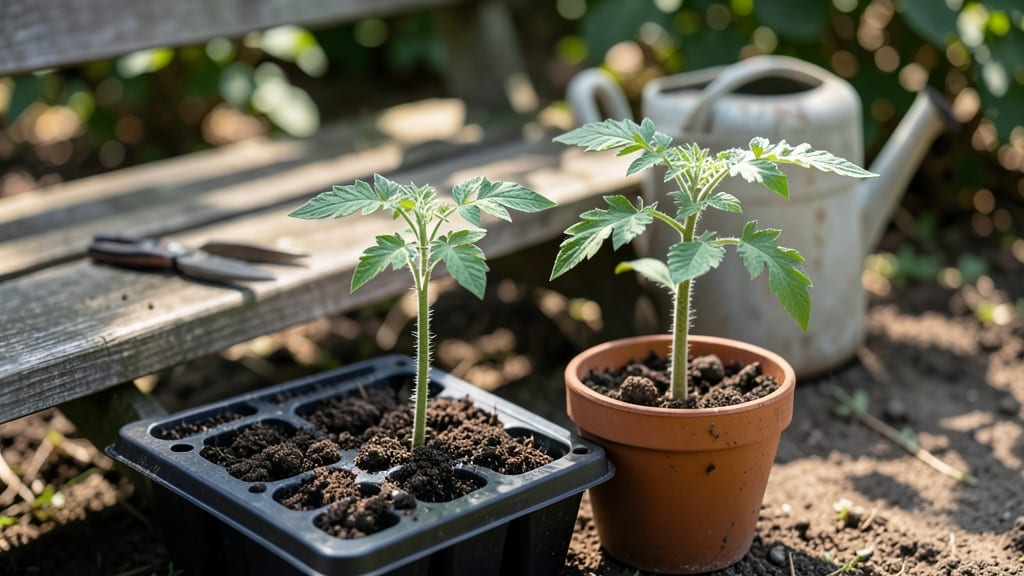
Wondering how deep should tomato seeds be planted—between ¼ and ½ inch—is the secret to strong, fast germination that sets up your 🍅 plants for a bountiful harvest.
Struggling with weak tomato seedlings or inconsistent germination? The depth at which you plant tomato seeds can make the difference between a thriving harvest and wasted effort—here’s the science-backed guide to planting them just right.
Too shallow, and they dry out before sprouting; too deep, and they’ll fight their way up, stressed and slow. The ideal depth keeps moisture in while giving roots room to anchor without suffocating the seed.
Below, I break down the exact measurements by seed type, common mistakes to avoid, and pro tips for adjusting depth based on soil and growing conditions—so you can skip the guesswork and get those seedlings popping in 5-10 days.
The ideal tomato seed planting depth by seed type (with exact measurements)
Getting your tomato seeds planted at the right depth is one of the simplest yet most critical steps for strong germination. Too shallow, and they’ll dry out; too deep, and they’ll struggle to reach the surface.
The science behind seed planting depth is all about finding that sweet spot where moisture, oxygen, and light work together for the best start. For tomato seeds specifically, the ideal depth is surprisingly precise—here’s exactly what you need to know.
Most gardeners make the mistake of guessing seed depth, but tomatoes are particularly sensitive. Their seeds contain a high concentration of nutrients in the seed coat, and planting them too deep can exhaust these reserves before the seedling breaks through the soil.
The general rule is to plant tomato seeds at 1/4-inch deep in well-draining soil. This shallow depth ensures they have enough moisture to germinate while still allowing the delicate seedling to push through without resistance.
For tomato transplants (young plants you buy or grow indoors), the depth increases slightly to 1/2-inch deep. This extra depth gives the roots a head start in the soil, reducing transplant shock.
The key difference here is that transplants already have established roots, so they can handle slightly more soil coverage without stressing their energy reserves.
Here’s a quick reference to help you visualize the ideal planting depths for both seeds and transplants, along with soil adjustments for different conditions:
| Plant Type | Planting Depth | Soil Adjustment | Germination Time |
|---|---|---|---|
| Tomato Seeds | 1/4-inch (0.6 cm) | Use seed starter mix; keep moist | 7-14 days |
| Tomato Transplants | 1/2-inch (1.3 cm) | Loosen soil; add compost | Established roots in 2-3 weeks |
| Heirloom Seeds | 1/4-inch (0.6 cm) | Warm soil (70°F+ for best results) | 10-14 days |
| Container-Grown Seeds | 1/8-inch (0.3 cm) | Use well-draining potting mix | 5-10 days |
If you’re planting in sandy soil, you can plant tomato seeds slightly deeper—up to 3/8-inch—because the soil drains so quickly. Sandy soil loses moisture faster, so the extra depth helps retain humidity around the seed.
Conversely, in clay soil, stick to the 1/4-inch rule but mix in compost or perlite to improve drainage. Clay holds too much moisture, which can suffocate seeds planted too deep.
For container gardening, reduce the depth even further to 1/8-inch. Containers dry out faster, and the shallow planting ensures seeds don’t rot from excess moisture. Use a lightweight potting mix with perlite or vermiculite to mimic the airy conditions seeds need.
Pro tip: Place your seed tray on a heating mat set to 75-80°F to speed up germination by 2-3 days.
One common question is whether to press the soil down after planting. The answer is no—gently pat the soil around the seed to ensure good contact, but avoid compacting it. Compacted soil creates a barrier that seedlings must push through, which can weaken them.
Instead, use a fine mist of water to settle the soil lightly around the seed. This keeps the environment just right for germination.
Finally, don’t forget that light exposure plays a role after germination. Once your tomato seedlings emerge, move them to a sunny spot (or under grow lights) immediately. Seedlings left in the dark will become leggy and weak, no matter how perfectly you planted them.
Aim for 12-14 hours of light daily to give them the energy they need to grow strong and healthy.
With these exact measurements and soil adjustments, you’ll maximize your tomato seed germination rates and give your plants the best possible start. The difference between a 1/4-inch and 1/2-inch depth might seem small, but it’s the detail that separates a thriving tomato patch from a disappointing one. Happy planting! 🌱
Common mistakes that kill tomato seed germination (and how to fix them)
Even the most experienced gardeners sometimes struggle with tomato seed germination. The issue often boils down to planting depth—either too shallow or too deep—creating conditions where seeds fail to sprout.
I’ve seen seedlings rot from over-planting and dry out from planting too shallow, both equally frustrating. The key is finding that sweet spot where moisture, warmth, and light work together.
One of the biggest culprits is soil compaction around seeds. When you press seeds too firmly into the soil, you restrict airflow and moisture absorption, which can suffocate tiny roots before they even emerge.
I’ve also noticed gardeners accidentally planting seeds too close together, leading to overcrowding and competition for nutrients. These mistakes might seem small, but they can drastically reduce your germination rate.
Another common error is using regular garden soil instead of a seed starter mix. Garden soil can be too dense and may contain pathogens that harm delicate seeds.
A lightweight starter mix provides the perfect balance of moisture retention and drainage, which is critical for those first few days of growth. I always keep a bag of seed starter mix on hand—it’s a small investment that pays off big time.
⚠️ Critical Depth Warning
Tomato seeds should be planted 1/4-inch deep—any deeper risks rot, while shallower planting leads to dry seeds. Use your finger or a ruler to measure: press seeds gently into moist soil, then cover with a thin layer of starter mix. For transplants, increase depth to 1/2-inch to support stronger root development.
If you’re struggling with slow germination, try pre-sprouting seeds indoors. Place seeds between damp paper towels in a sealed plastic bag and keep them in a warm spot (around 70°F) until sprouts appear.
Once you see tiny roots, transplant them into your starter mix at the correct depth. This method gives you more control over the environment and often results in faster, more uniform germination.
Don’t forget about moisture consistency. After planting, keep the soil evenly moist but not soggy. I use a spray bottle to mist seeds gently, ensuring they don’t dry out. A clear plastic dome or plastic wrap can help maintain humidity while the seeds germinate.
Just remember to remove it once sprouts appear to prevent mold growth. This simple trick has saved countless seedlings in my own garden.
Finally, avoid the temptation to overcrowd your seeds. Plant them 1/2-inch apart in rows spaced 2 inches apart. Once seedlings develop their first true leaves, thin them to 1-inch spacing to give each plant room to grow.
Overcrowding stresses plants and increases the risk of disease. Proper spacing also makes it easier to monitor each seedling’s progress and address issues early.
With these fixes, you’ll see a noticeable improvement in your tomato seed germination rates. The key is patience and attention to detail—small adjustments can make a huge difference in the long run. Happy planting! 🌱