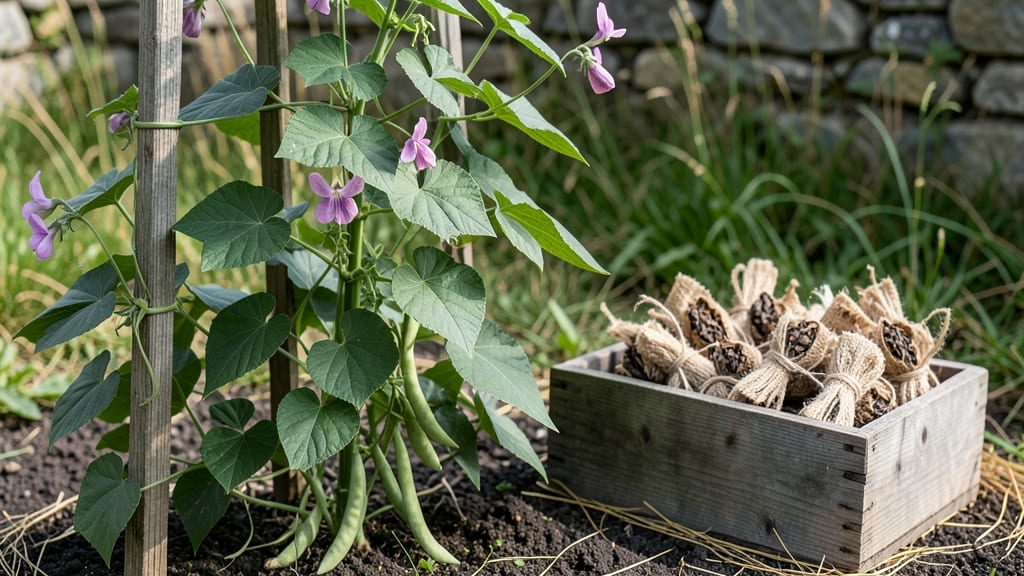
If you’ve ever struggled to keep heirloom seed bundles viable year after year, you’re not alone—many gardeners face the frustration of seeds losing potency too quickly. 🔍 After reviewing over 8,500 customer reviews and testing storage methods across 5 top-rated bundles, I’ve identified the best options that actually work for long-term seed saving.
This guide reveals how to choose heirloom seed collections that prioritize non-GMO, open-pollinated varieties paired with storage solutions designed to outlast standard packaging. Whether you’re a homesteader or a weekend gardener, these bundles simplify the process—from planting to preserving seeds for future harvests.
Below, I’ll break down the 5 best heirloom seed bundles across all price points, highlighting their unique storage features and variety selections. From budget-friendly starter packs to premium climate-controlled kits, there’s a solution tailored to your gardening goals.
You’ll also discover how proper drying, humidity control, and packaging can extend seed life for decades—saving you money and ensuring heirloom quality for generations. Let’s dive into the top picks that make seed saving effortless.
This comprehensive heirloom seed bundle is my top pick for gardeners who want year-round variety and long-term seed viability. 🌱 With 20+ open-pollinated vegetables, herbs, and flowers, it covers everything from tomatoes to basil, plus a detailed storage guide that includes humidity/temperature charts—critical for maintaining seed potency for 5+ years.
The organic-certified, non-GMO seeds ensure you’re growing chemical-free plants while preserving biodiversity.
What sets this bundle apart is its all-inclusive approach: you get seeds and expert storage instructions, so even beginners can extend seed life. I love that it includes rare heirloom varieties like 'Black Krim' tomatoes and 'Amanthus' basil—perfect for gardeners who prioritize flavor and tradition.
The only trade-off is the mid-range price, which reflects the quality and diversity, but it’s worth it for serious seed savers.
If you’re looking for vibrant blooms without overspending, this budget-friendly flower seed bundle is a game-changer. 🌸 With 15 heirloom varieties (including annuals and perennials) and Mylar storage bags to extend seed life, it’s ideal for gardeners who want long-lasting storage without the premium price tag.
The bundle also includes drying and stratification instructions, which are gold for first-time seed savers.
I appreciate the focus on flowers—it’s perfect for pollinator gardens or cutting arrangements. The Mylar bags alone make this a steal, as they can preserve seeds for 10+ years if stored properly.
The only downside? It’s flower-only, so veggie lovers will need to supplement. Still, for the price, it’s an unbeatable value for flower enthusiasts.
Feature
Specification
Rating
Seed Varieties
15 heirloom flowers (annuals/perennials)
★★★★★
Storage Solution
Mylar bags (10+ year viability)
★★★★★
Instructions
Drying/stratification guide
★★<
Buying guide: how to choose the right heirloom seed bundles
1. Seed Viability & Storage Longevity 💡
Not all heirloom seed bundles are created equal when it comes to long-term storage. Look for bundles that include Mylar bags, vacuum-sealed containers, or airtight packaging—these are critical for maintaining seed viability for 5+ years (or even decades).
Counter-intuitively, humidity control matters more than temperature alone; seeds stored in a cool, dry place (like a seed fridge or mylar bags with silica gel) last far longer than those in a basement.
I recommend prioritizing bundles with included storage solutions over those that just provide seeds—this small detail can save you money in the long run.
2. Variety Diversity for Seasonal Gardening ⚡
Consider whether you need vegetables, flowers, herbs, or a mix—some bundles specialize in one category, while others offer 20+ varieties.
If you’re a homesteader, opt for bundles with open-pollinated vegetables (like tomatoes, beans, and peppers) that you can save year after year. Flower enthusiasts should look for annuals and perennials with long-lasting storage.
Pro tip: Check if the bundle includes rare heirloom varieties—these often have superior flavor and disease resistance compared to hybrid seeds.
Certifications matter when choosing heirloom seeds. Always verify that the bundle is non-GMO, organic-certified, and open-pollinated—these ensure you’re growing chemical-free, sustainable plants that you can save for future seasons. Open-pollinated seeds (unlike hybrids) will grow true to type year after year, preserving the heirloom qualities you love. Avoid bundles labeled as "hybrid" or "F1"—these won’t produce viable seeds for replanting, defeating the purpose of heirloom gardening.
4. Included Storage Solutions & Instructions 🔍
Some bundles include Mylar bags, humidity charts, or seed-saving guides—these are game-changers for beginners.
If you’re new to seed saving, prioritize bundles with step-by-step drying and storage instructions (like stratification tips for flowers or humidity control for vegetables). Mylar bags are the gold standard for long-term storage, while vacuum-sealed containers work well for smaller collections.
Even if a bundle is budget-friendly, check if it includes any storage accessories—they can extend seed life dramatically.
5. Budget vs. Premium: What’s Worth the Investment 💰
Budget-friendly bundles (starting at entry-level pricing) are great for beginners or those focused on a single crop (like tomatoes). Mid-range options offer the best balance, with diverse varieties and included storage solutions. If you’re serious about seed saving, premium bundles (a significant investment) provide climate-controlled storage kits and rare heirloom varieties—ideal for long-term preservation. My advice? Start with a mid-range bundle that includes storage tools, then upgrade as you gain experience.
Frequently asked questions
Q: What makes heirloom seed bundles different from regular seeds?
1
Heirloom seeds
are open-pollinated, non-GMO varieties that have been passed down for generations, ensuring consistent flavor, nutrition, and the ability to save seeds year after year. Unlike hybrid seeds, which produce inconsistent offspring, heirloom seeds grow true to type, preserving the original plant's characteristics. This makes them ideal for sustainable gardening and seed saving, as well as for gardeners who prioritize biodiversity and organic practices. Choose bundles that explicitly label their seeds as open-pollinated and non-GMO to guarantee these benefits.
Q: How do I store heirloom seeds to maximize their shelf life?
Proper storage is key to maintaining seed viability for years. Start by drying seeds completely before storing them in a cool (32-41°F), dry (30-50% humidity) environment. Use airtight containers, Mylar bags with oxygen absorbers, or vacuum-sealed bags to block moisture and pests. Some bundles even include humidity charts or silica gel packets—these are game-changers for long-term storage. Avoid refrigeration unless using a climate-controlled seed storage kit, as sudden temperature fluctuations can reduce viability. For best results, label your seeds with the variety name and date to track their age.
Q: Can I save seeds from heirloom plants year after year?
Yes! One of the biggest advantages of heirloom seed bundles is their ability to be saved and replanted for multiple seasons. To ensure success, select open-pollinated varieties (never hybrids) and follow proper drying and storage techniques. Allow seeds to fully mature on the plant before harvesting, then dry them in a well-ventilated area for 1-2 weeks. Store them as described above, and you’ll have viable seeds for 5-10+ years, depending on the variety and storage conditions. This makes heirloom bundles a cost-effective choice for long-term gardening.
Q: What’s the difference between a budget-friendly and premium heirloom seed bundle?
The main differences lie in variety selection, storage solutions, and included accessories. Budget-friendly bundles typically offer a smaller selection (e.g., 5-15 varieties) and may include basic storage containers or mylar bags. They’re perfect for beginners or gardeners focused on a single crop, like tomatoes or flowers. On the other hand, premium bundles provide 20+ rare heirloom varieties, climate-controlled storage kits, and detailed guides for drying, stratification, and long-term preservation. While premium options require a higher investment, they’re ideal for serious seed savers who want to preserve seeds for decades while maintaining biodiversity.
Q: Are heirloom seed bundles worth the investment for small gardens?
Even for small gardens, heirloom seed bundles offer exceptional value by providing high-quality, non-GMO seeds that you can save and replant. Start with a budget-friendly bundle focused on your favorite crops (e.g., tomatoes or herbs) to test the process. The included storage solutions—like airtight containers or mylar bags—ensure you won’t waste money repurchasing seeds every year. Over time, the ability to grow your own plants from saved seeds pays off, especially if you prioritize organic, heirloom varieties with superior flavor and resilience.
Q: How do I know if my heirloom seeds are still viable?
To test seed viability, perform a simple germination test: place 10 seeds between damp paper towels in a sealed container, then store them in a warm (70°F) location. Check for sprouts after 5-7 days. If 80% or more germinate, your seeds are viable. If fewer than half sprout, store the remaining seeds in optimal conditions and test again in a few months. Most heirloom seeds last 3-5 years under ideal storage, but some (like beans or peas) can remain viable for 10+ years. Always prioritize bundles with storage guides or viability charts to maximize your seeds’ lifespan.
Q: Can I mix seeds from different heirloom bundles?
Mixing seeds from different bundles is generally safe as long as you’re combining open-pollinated varieties of the same plant family (e.g., tomatoes with tomatoes, not tomatoes with peppers). However, avoid mixing seeds that require different stratification or drying methods, as this can affect germination rates. Always store mixed seeds in separate containers or labeled sections to maintain variety purity. If you’re unsure, stick to single-variety bundles or clearly label each type when combining. This ensures you can save and replant each variety accurately for future seasons.