
Lawn
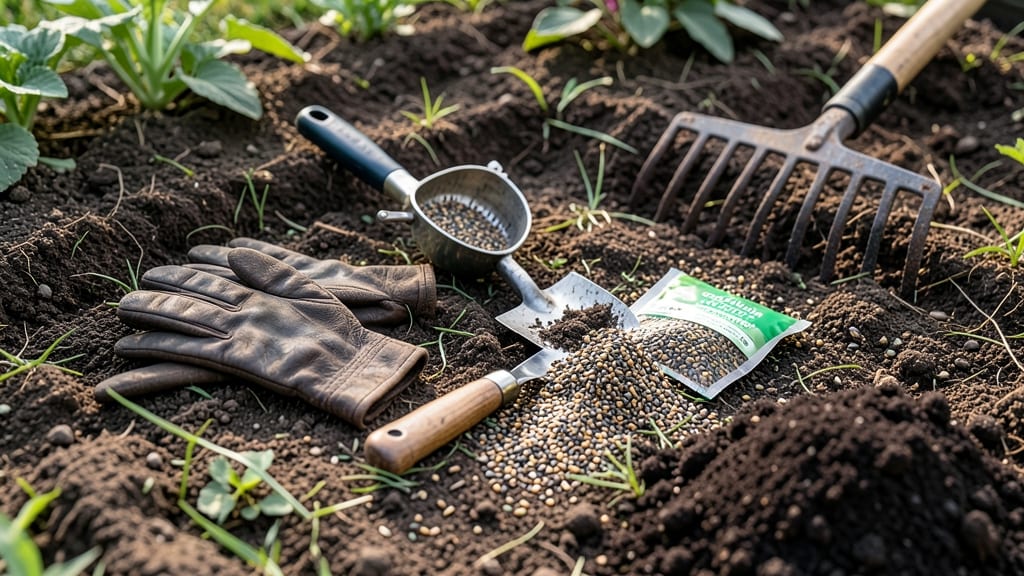
Planting grass seed in autumn gives your lawn a head start before winter’s chill—frost-resistant roots form while weeds stay dormant. 🌱 I’ve seen bare spots transform into thick, green carpets by spring simply by seeding in October, when soil stays warm enough for germination but cool enough to prevent drought stress.
The key is timing: aim for 4-6 weeks before your first frost, when daytime temps hover around 60-70°F and nights stay above 40°F. Prepping your soil is half the battle—loosen the top 2-3 inches, rake out debris, and consider a light top-dressing of compost for nutrients.
Overseed existing lawns by spreading seed ½ pound per 100 square feet, then gently rake it in. Water lightly twice daily (morning and evening) to keep soil moist but not soggy—think of it like a damp sponge, not a swamp.
Most varieties establish roots before winter, waking up ready to grow in spring.
This method works everywhere—from humid Southeast lawns to dry Western climates—because autumn’s mild weather reduces stress on new seedlings. In colder zones, choose cool-season grasses like Kentucky bluegrass or fescue, while warmer areas thrive with tall fescue or Bermuda.
The payoff? A lawn that outperforms spring plantings by avoiding summer heat and drought competition. By late fall, you’ll see tiny green blades pushing through, proof that patience (and the right timing) pays off.
Pro tip: Avoid walking on new seed until it’s 3-4 inches tall—those delicate roots need protection. If birds or squirrels raid your patch, scatter cornmeal or birdseed nearby to distract them.
With consistent moisture and a little luck, your lawn will wake up thicker and greener next spring than ever before. Ready to get started? Grab your rake and let’s make that winter dormancy work for you.
📚 In This Guide
- What you need
- Instructions
- Tips and common mistakes
- Wrapping up and next steps
What you need
- ● Grass seed: Choose a cold-hardy variety like tall fescue, Kentucky bluegrass, or perennial ryegrass (10–20 lbs per 500 sq. ft., depending on coverage needs).
- ● Topsoil or compost: ¼–½ inch layer (2–4 cubic feet per 100 sq. ft.) to improve soil quality.
- ● Lawn fertilizer: Slow-release, high-phosphorus (e.g., 10-20-10 ratio) for root growth (apply ~1 lb per 100 sq. ft.).
- ○ Seed starter fertilizer (optional): Lightly sprinkle to boost germination.
- ● Lawn rake: Metal or plastic (medium-tooth for aeration, fine-tooth for leveling).
- ● Aerator (manual or mechanical): Core or spike type to loosen compacted soil (rent if needed).
- ● Broadcast spreader: For even seed distribution (or a hand-held spreader for small areas).
- ● Garden hose with spray nozzle: Fine mist setting for watering.
- ○ Lawn roller (optional): Lightweight (50–100 lbs) to press seed into soil.
- ● Gloves & knee pads: For comfort during prep work.
- ● Weather: Plant when daytime temps are 60–75°F and nights stay above 40°F (avoid frost!).
- ○ Soil test (optional but helpful): Check pH (ideal: 6.0–7.0) and amend if needed.
- ● Lawn prep: Mow existing grass short (1–1.5 inches) and remove debris.
Step-by-Step guide for autumn grass seed planting
Autumn's cooler temps and frequent rains create perfect conditions for grass roots to establish strong before winter.
🌱 Step 1: Prepare the Soil for Optimal Germination
Start by mowing your lawn as short as possible—about 1 inch—to expose the soil surface. This helps seeds make direct contact with the earth, which is critical for germination. Remove any debris, rocks, or weeds using a rake or dethatcher, ensuring a clean canvas for your new grass.
Test your soil's pH using a simple kit available at garden centers. Most cool-season grasses thrive in slightly acidic soil with a pH between 6.0 and 7.0. If your soil is too alkaline, apply a recommended amount of sulfur or peat moss to adjust it before planting. The goal is to create an environment where roots can grow deep and strong without competition.
🪴 Step 2: Choose and Spread the Right Grass Seed
Select a high-quality grass seed blend suited for your climate and sunlight conditions. For most regions, a mix of tall fescue, perennial ryegrass, and Kentucky bluegrass provides excellent cold tolerance and quick establishment. Spread the seed evenly using a broadcast spreader or by hand, following the package's recommended rate—typically 4-8 pounds per 1,000 square feet.
Work the seed lightly into the top ¼ inch of soil using a rake with fine teeth. This ensures good soil contact without burying the seeds too deeply. If you're overseeding an existing lawn, use a slit seeder or vertical mower to create small furrows where seeds can nestle safely. Water gently afterward to settle the seed into place.
💧 Step 3: Water Consistently for Germination and Root Growth
After planting, water the area immediately to moisten the soil to a depth of 3-4 inches. Keep the soil consistently moist—never soggy—by watering once or twice daily for the first 2-3 weeks. You'll know you're doing it right when the top inch of soil feels damp but not waterlogged. Overwatering can wash away seeds or cause disease, while underwatering leads to poor germination.
Reduce watering frequency slightly after 3-4 weeks as roots begin to establish, but avoid letting the soil dry out completely. Aim for 1-1.5 inches of water per week, including rainfall. A sprinkler with a gentle mist setting works best to avoid disturbing the young seedlings. Watch for the first signs of green—those tiny blades mean your seeds are sprouting and growing.
✂️ Step 4: Maintain and Protect New Grass Through Fall
Once the new grass reaches 3-4 inches tall, mow it for the first time using a sharp blade set to 3 inches. Never remove more than ⅓ of the blade height at once, as this stresses young plants. Adjust your mower to a higher setting as the grass grows to encourage deeper root systems and shade out weeds.
Apply a light layer of mulch or straw after seeding to retain moisture and protect seeds from drying winds. Avoid heavy mulch, which can smother new growth. If frost threatens before the grass is fully established, cover the area with a frost blanket or burlap to shield tender shoots. By late fall, your lawn should have a lush, green appearance—proof that roots are growing strong beneath the surface.
⏰ Step 5: Winterize and Prepare for Spring Growth
As temperatures drop below 40°F at night, reduce watering to prevent soil erosion and disease. However, don’t let the soil dry out completely—keep it lightly moist during dry spells. Apply a winterizer fertilizer in late fall to provide slow-release nutrients that support root growth through the dormant season.
In early spring, remove any debris or thatch that accumulated over winter. Rake lightly to aerate the soil and encourage new growth. You’ll likely see the first signs of spring regrowth within 2-3 weeks after warming temperatures. Adjust your mowing height gradually to 2.5-3 inches as the grass grows, keeping blades sharp to avoid tearing the grass.
Tips & tricks for perfect autumn grass seed planting
Here's what I've learned after helping dozens of homeowners transform their fall lawns—these tricks make all the difference between a patchy lawn and one that thrives through winter.
Soil Prep Secret: Don't just mow short—use a string trimmer to clean up any stubborn weeds or grass clumps in tight spots after mowing. I've seen cases where leftover thatch blocked seeds from making proper soil contact, even after raking. A quick pass with the trimmer ensures every square inch is ready. The goal is bare soil with just enough texture for seeds to grip.
Seed Placement Technique: When working seeds into the top ¼ inch of soil in Step 2, think "light as a feather"—press just enough to cover them, then water gently. I've ruined two batches by either burying seeds too deep (they suffocate) or leaving them exposed (they dry out). A fine-toothed rake works best—drag it lightly over the area after spreading seeds, then water with a sprinkler on a gentle setting.
Watering Watch: Those first 2-3 weeks of watering are critical—set a timer for your sprinkler and check the soil at the same time each day. I always dig a small hole (about 1 inch deep) after watering to verify moisture. If it's dry, you need more water; if it's soggy, you're overdoing it. A consistent 3-4 inch depth keeps roots happy without drowning them.
Frost Protection Hack: If frost is forecasted before your grass reaches 3 inches tall, don't wait until the last minute to cover it. Lay down frost blankets or burlap the night before—this gives you time to remove them quickly when temperatures rise. I've seen lawns survive light frosts, but a sudden hard freeze can damage tender new growth overnight. A little prevention goes a long way.
Pro Tips for Grass Seed Autumn
- Here's what I've learned after helping dozens of homeowners transform their fall lawns—these tricks make all the difference between a patchy lawn and one that thrives through winter.
- Soil Prep Secret: Don't just mow short—use a string trimmer to clean up any stubborn weeds or grass clumps in tight spots after mowing.
- Seed Placement Technique: When working seeds into the top ¼ inch of soil in Step 2, think "light as a feather"—press just enough to cover them, then water gently.
Frequently asked questions
Got questions about planting grass seed in autumn? You’re not alone! Here are some of the most common concerns—and their straightforward answers—to help you get started with confidence.
When is the exact best time to plant grass seed in autumn?
The ideal window is 4-6 weeks before your first hard frost (typically late September to early October in most U.S. regions). This gives seeds time to germinate and establish roots before winter slows growth. Check your USDA Plant Hardiness Zone for local timing.
Can grass seed still grow if frost hits before it germinates?
Most cool-season grasses (like fescue or ryegrass) are frost-resistant but need consistent soil temps above 50°F (10°C) to germinate. If frost arrives early, delay planting until spring or use a seed starter fertilizer to speed up growth. Warm-season grasses (like Bermuda) won’t survive autumn frost—plant those in spring!
Is autumn seeding cheaper than spring? What’s the catch?
Yes! Autumn seed is often 20-30% cheaper than spring varieties because fewer people plant then. The catch? You’ll need to protect new growth with mulch or straw to prevent winter die-off. Also, weeds are less competitive in cooler weather, so you’ll spend less on herbicides.
How do I know if my soil is too cold or too wet for planting?
Test with the finger rule: Stick your finger 2 inches into the soil. If it’s cold to the touch or sopping wet, wait 1-2 weeks. Ideal soil should feel cool but workable (like a damp sponge). Overly wet soil can smother seeds—amend with compost or sand if needed.
What’s the fastest way to fix patchy or thin spots after autumn planting?
For small areas, use a handheld seeder or sprinkle seed directly over bare spots. Lightly rake (¼-inch deep) and water gently twice daily until germination. For larger patches, consider hydroseeding—it’s pricier but ensures even coverage. Avoid heavy foot traffic for 4-6 weeks!
Still unsure? Drop your question in the comments—we’re happy to help you grow that dream lawn!
Wrapping up and next steps
Autumn is your secret weapon for a lush, frost-resistant lawn—planting grass seed now lets roots establish deep before winter’s chill. 🌱 By choosing the right seed, prepping soil, and timing your efforts, you’ll wake up next spring to a vibrant, healthy yard with minimal effort. Don’t wait—your lawn’s future starts today!
Ready to take action? Grab your supplies, follow the steps, and start seeding before the first frost! Your future self (and your lawn) will thank you. 😊