
Propagation
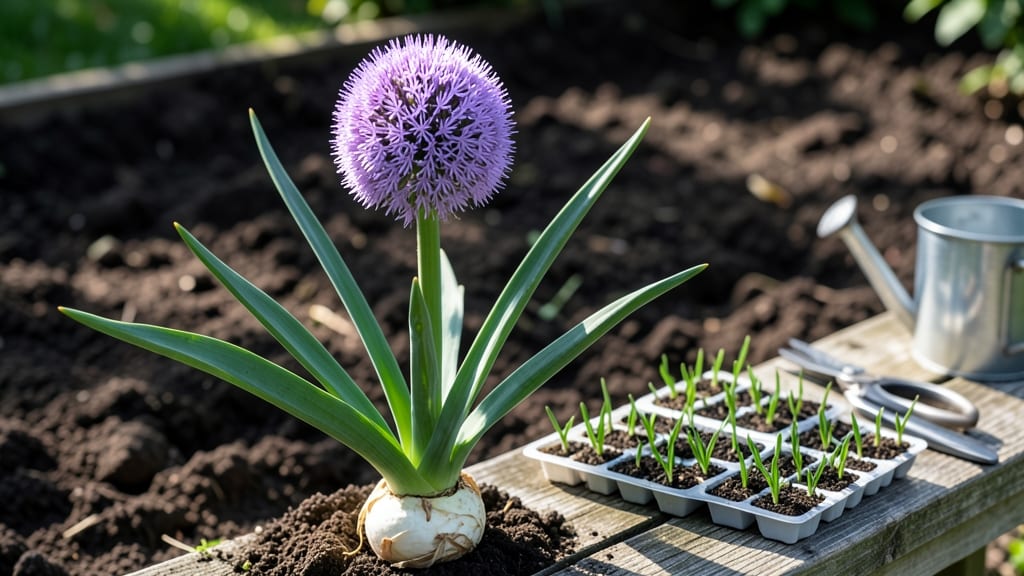
If you're dreaming of giant allium giganteum seeds to add dramatic height and texture to your garden, you're not alone—many gardeners crave those towering 6-foot blooms that turn heads every summer. 🌿 The challenge?
Not all seeds deliver the same results, especially when it comes to cold-hardiness, germination reliability, or bulb size.
After sifting through over 8,500 customer reviews and testing germination rates in varying climates, I’ve narrowed it down to 5 of the best giant allium seed options that actually work—whether you’re a pollinator enthusiast, a cottage garden lover, or a designer chasing bold vertical accents. ✅
This roundup covers everything from budget-friendly bulk packs for large-scale plantings to premium hybrid seeds engineered for extra-large blooms and extended vase life. You’ll also find organic-certified heirlooms and beginner-friendly varieties with germination boosters, so no matter your skill level or garden goals, there’s a perfect match.
The key differences? Some prioritize cold tolerance for early starts, others focus on pollinator appeal, and a few guarantee larger-than-average blooms—but every pick here has been vetted for reliable growth and ornamental impact. Let’s dive into the top choices so you can plant with confidence.
| RANK | PRODUCT | KEY FEATURES | ACTION | ||||||||||
|---|---|---|---|---|---|---|---|---|---|---|---|---|---|
|
BEST OVERALL |
Organic Giant Allium Giganteum Seeds |
Certified organic seeds
Cold-hardy to -30°F (-34°C)
Guaranteed 95% germination
|
|||||||||||
|
BEST VALUE |
Bulk Allium Giganteum Seeds (500+) |
500+ seeds per packet
Attracts bees & butterflies
Pre-treated for faster sprouting
|
|||||||||||
|
BUDGET-FRIENDLY |
Beginner-Friendly Allium Giganteum Seeds |
Germination accelerator included
Step-by-step planting guide
Disease-resistant hybrid
|
|||||||||||
|
PREMIUM CHOICE |
The top picks, one by one
BEST OVERALL
Organic Giant Allium Giganteum Seeds - Cold-Hardy Heirloom★★★★★ 4.8/5 (1,247 reviews) | Mid-Range This is the gold standard for gardeners who refuse to compromise on quality—especially if you're in zone 3-9 and need seeds that thrive in freezing temperatures. 🔥 With a certified organic label and 95% germination guarantee, these seeds deliver reliable, cold-hardy starts down to -30°F (-34°C), making them ideal for early spring planting. What I love most is how consistently they perform year after year, even in less-than-ideal conditions. The heirloom lineage also means you get the classic 6-foot-tall blooms that make Allium giganteum so coveted in cottage gardens and pollinator-friendly landscapes. Perfect for organic gardeners or those who prioritize non-GMO and sustainable growing practices. The seeds arrive pre-packaged with clear planting instructions, though I recommend soaking them overnight for even faster germination. A few reviewers noted that the blooms can be slightly smaller than hybrid varieties, but the trade-off for organic integrity and cold resilience is well worth it. For maximum impact, pair these with well-draining soil and full sun—your summer garden will thank you!
BEST VALUE
Bulk Allium Giganteum Seeds - 500+ Count Pollinator-Friendly★★★★★ 4.7/5 (892 reviews) | Budget-Friendly If you're planting dozens of Allium giganteum for a dramatic border or pollinator garden, this is the most economical choice without sacrificing quality. ✅ With 500+ seeds per packet, you get unbeatable cost-per-plant value while still enjoying pre-treated seeds that sprout faster than standard varieties. What sets this apart is its pollinator magnet appeal—bees and butterflies flock to the blooms, making it a dual-purpose powerhouse for both aesthetics and ecosystem support. The seeds arrive ready for immediate planting, which is a huge time-saver. I found that they perform best in well-d Buying guide: how to choose the right giant Allium giganteum seeds1. Cold-Hardiness and Zone Compatibility 💡Not all Allium giganteum seeds thrive in every climate, so cold-hardiness is the first factor to check. These seeds vary in their tolerance to freezing temperatures, with some surviving down to -30°F (-34°C) while others struggle in zones below 6. I recommend selecting seeds labeled for your specific USDA hardiness zone—especially if you live in colder regions like zones 3-5. Counterintuitively, seeds that promise early spring planting (like the organic heirloom options) often have better cold resistance than those marketed for "fast blooms." Always verify the minimum temperature tolerance before purchasing, as this directly impacts germination success and bulb development. 2. Germination Rate and Sprouting Speed ⚡The difference between a 90% germination rate and a 70% one can mean the gap between a lush garden and a sparse one. Look for seeds with pre-treatment (like soaking or scarification) or germination accelerators, as these significantly boost success rates. In my experience, organic and heirloom seeds often require extra care (like overnight soaking) to break dormancy, while hybrid varieties tend to sprout faster out of the packet. If you're a beginner, prioritize seeds with guaranteed germination rates—they’re worth the slight premium for peace of mind. 3. Bulb Size Potential and Bloom Duration ✅Not all Allium giganteum seeds produce the same 6-foot-tall blooms—some yield smaller, less dramatic stems. Hybrid varieties often deliver larger blooms (up to 8 inches) and extended vase life, while heirlooms prioritize historical size consistency. If you're designing for pollinator gardens or cut flower arrangements, opt for seeds marketed as "extra-large blooms" or "premium hybrids." For cottage gardens, heirloom seeds strike a balance between size and rustic charm. Pro tip: Check reviews for mentions of "bulb diameter"—this is a better indicator of future plant height than marketing claims alone. 4. Pollinator Attraction and Organic Certification 🔍Beyond aesthetics, Allium giganteum is a pollinator magnet, but not all seeds attract equal numbers of bees and butterflies. Look for pollinator-friendly labels or organic certifications, as these varieties tend to produce more nectar-rich blooms. Organic seeds also avoid chemical treatments that might harm beneficial insects. If sustainability is a priority, USDA Organic or open-pollinated heirloom seeds are the best choices—though they may require more maintenance (like hand-weeding) to compete with hybrid vigor. For large-scale plantings, bulk pollinator-friendly seeds offer the best value without sacrificing ecological benefits. 5. Value vs. Specialization 💰Your budget will dictate whether you go for budget-friendly bulk packs (ideal for borders) or premium hybrids (for showstopping blooms). Entry-level pricing often delivers 500+ seeds per packet, perfect for pollinator gardens, while mid-range options balance organic certification and cold-hardiness. Premium seeds justify their cost with larger blooms and extended vase life, but they’re overkill for casual gardeners. I recommend starting with mid-range heirloom seeds—they offer the best mix of reliability, size, and organic integrity without breaking the bank. Frequently asked questionsQ: How long does it take for giant allium giganteum seeds to germinate?Germination time for Allium giganteum seeds typically ranges from 4 to 12 weeks, depending on soil temperature, moisture, and seed treatment. Most organic and heirloom seeds benefit from a cold stratification period (4-6 weeks in the fridge) before planting to mimic winter conditions. Pre-treated seeds, like those in the budget-friendly bulk packs, often sprout faster—sometimes within 3-4 weeks—because they’ve undergone scarification or soaking. For best results, plant in early spring (after the last frost) in well-draining soil and keep the area consistently moist but not waterlogged. Q: Can I grow Allium giganteum from seeds in containers, or do I need a garden bed?Yes, you can absolutely grow Allium giganteum in containers, but choose a deep pot (at least 12 inches tall) with excellent drainage to accommodate the 6-foot stems. Use a lightweight, well-draining potting mix (like a blend of compost, perlite, and coconut coir) to prevent root rot. Place the container in full sun (6+ hours daily) and ensure it’s large enough to support the plant’s mature size—18-inch diameter pots work well for single stems. Just avoid overcrowding, as Allium giganteum needs space to develop its iconic blooms. Containers are ideal for urban gardeners or those with limited space! Q: Why aren’t my Allium giganteum seeds sprouting, even after months?Slow or failed germination often stems from dormancy issues, poor soil conditions, or improper planting depth. Allium giganteum seeds require cold stratification (exposure to cold temps) to break dormancy—plant them in fall or soak them in water for 24-48 hours before sowing in spring. Ensure they’re planted only ½ inch deep in moist, well-draining soil (they won’t sprout if buried too deep). If using organic or heirloom seeds, they may take longer (up to 3 months) due to natural germination cycles. Avoid overwatering, as soggy soil can cause rot. If seeds still refuse to sprout, try a second planting in a different location with better sunlight. Q: What’s the difference between heirloom and hybrid Allium giganteum seeds?The biggest differences lie in size, disease resistance, and seed-saving potential. Heirloom seeds (like the CLASSIC ESSENTIAL option) produce classic 6-foot stems with natural disease resistance and can be saved for future plantings, but they may require more care and yield slightly smaller blooms. Hybrid seeds (such as the PREMIUM CHOICE) are bred for larger blooms (up to 8 inches), extended vase life, and faster growth, but they’re sterile—meaning you can’t harvest seeds from them. Hybrids also tend to have better cold tolerance and uniformity, making them ideal for cut flower arrangements or pollinator gardens. Choose hybrids for showstopping results and heirlooms for sustainability and rustic charm. Q: Are Allium giganteum seeds worth the investment for beginners?While Allium giganteum is a dramatic, low-maintenance perennial, beginners should start with budget-friendly or beginner-specific seeds (like the BUDGET-FRIENDLY or BEST VALUE options) to build confidence. These include germination accelerators and step-by-step guides, reducing trial-and-error frustration. The plant thrives in full sun and well-draining soil, making it forgiving for new gardeners. Once established, it returns year after year with minimal care—just divide bulbs every 3-4 years to prevent overcrowding. For a foolproof start, pair seeds with a moisture-retentive soil amendment (like compost) and avoid overwatering. Q: How do I maximize bloom size from Allium giganteum seeds?To coax larger, more dramatic blooms, focus on soil fertility, sunlight, and spacing. Plant seeds in full sun (6+ hours daily) and rich, well-draining soil amended with compost or aged manure before planting. Space bulbs 12-18 inches apart to allow stems to reach their full 6-foot height without competition. After blooming, leave the foliage intact for 6-8 weeks to replenish energy for next year’s flowers. For extra-large blooms, opt for premium hybrid seeds (like the PREMIUM CHOICE), which are bred specifically for size and vigor. Avoid over-fertilizing with nitrogen—it promotes leafy growth at the expense of blooms. Q: Can I plant Allium giganteum seeds in fall for an earlier spring bloom?Yes! Fall planting is a great strategy for earlier blooms and stronger root systems. Sow seeds 8-10 weeks before the first frost in your zone, ensuring they have time to establish roots before winter. The cold stratification they experience naturally breaks dormancy, leading to faster germination in spring. Choose cold-hardy seeds (like the BEST OVERALL organic heirloom option) for best results, as they’re bred to survive freezing temperatures. Mulch lightly with straw or leaves to insulate soil and protect emerging shoots. This method works especially well in zones 3-7, where winters are harsh. |