
Lawn
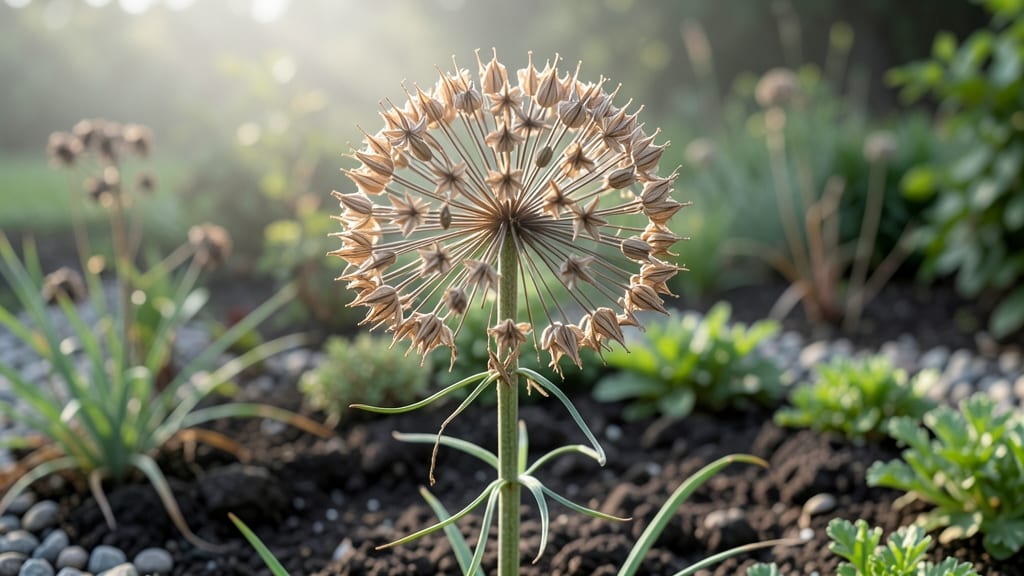
Those globe-shaped allium seed heads turn your winter garden into a textured masterpiece that refuses to fade. 🌿 I’ve dried them for years, and nothing brings late-season arrangements to life like their papery spheres—each one a tiny work of art that lasts until spring.
The secret lies in timing: harvest when the seed pods turn brown but before they burst open. Hang them upside down in a dry, dark spot for 2-3 weeks, then brush off debris.
Their natural structure makes them perfect for dried arrangements, winter wreaths, or even as standalone garden accents. Pair them with eucalyptus, dried grasses, or deep red berries for a bold, winter-ready palette. The contrast of their spherical shapes against linear stems creates instant visual drama—no green required.
Works for both indoor displays and outdoor landscaping. Here’s how to make them last all season long.
📚 In This Guide
- What you need
- Instructions
- Tips and common mistakes
- Wrapping up and next steps
What you need
- ● Allium seed heads: 10–15 mature, dried heads (harvest after blooms fade and seed pods turn papery brown). Choose varieties like Allium schoenoprasum (chives) or ornamental alliums for texture.
- ● Floral wire: 22–24 gauge, 18–24" lengths (for securing stems). Copper or green wire adds a subtle pop!
- ● Scissors or pruners: Sharp floral shears or pruning scissors (clean and sanitized) to trim stems to 6–12" lengths.
- ● Drying method: Air-drying: Hang seed heads upside down in a dry, dark, well-ventilated space (e.g., a garage or closet) for 2–4 weeks.
- ○ Oven-drying (optional): Set oven to 170°F (75°C), place heads on a wire rack, and dry for 1–2 hours (monitor closely!).
- ● Container or vase: A narrow-necked vessel (e.g., a mason jar, bud vase, or dried flower arrangement base) to hold your final display.
- ● Floral tape or twine: For wrapping stems and adding a cohesive look.
- ● Dried filler materials: Eucalyptus, wheat stalks, or dried grasses to complement alliums in arrangements.
- ● Spray adhesive (lightweight): To secure lightweight seed pods to arrangements or frames.
- ● Glass beads or charms: For adding whimsical details to wire-wrapped stems.
- ● Wooden skewers or branches: As structural supports for larger arrangements.
How to harvest and dry allium seed heads for long-lasting winter arrangements
Transform your allium blooms into stunning, long-lasting dried florals with these simple steps.
🌱 Step 1: Harvest at the Right Stage
Wait until the allium flowers have fully bloomed and the petals begin to brown and dry naturally. This usually happens about 2-3 weeks after flowering. The seed pods should be firm but not yet splitting open—this ensures the stems stay strong during drying. Use clean, sharp pruners to cut the stems at a 45-degree angle about 2-3 inches below the seed head.
Harvest on a dry morning after the dew has evaporated. Wet stems can rot during the drying process, so timing matters. Bundle the stems together with twine or a rubber band, leaving the seed heads exposed. Hang them upside down in a dry, well-ventilated area like a garage or shed. This position prevents moisture buildup and encourages even drying.
💧 Step 2: Dry the Seed Heads Properly
Place the bundles in a spot with indirect sunlight and good airflow. Direct sunlight can cause the seed heads to dry too quickly, leading to cracking or brittleness. Aim for a drying time of 2-4 weeks, depending on humidity levels in your area. You’ll know they’re fully dried when the seed pods rattle when shaken and the stems snap easily when bent.
If your climate is particularly humid, speed up the process by placing the bundles in a dehydrator set to 95°F for 4-6 hours. Avoid high heat, as it can scorch the delicate seed pods. Check them periodically to ensure they’re drying evenly. Uneven drying can cause some pods to remain damp while others become brittle.
☀️ Step 3: Prepare for Arrangements
Once completely dry, gently remove the seed heads from the stems. Use a small knife or your fingers to carefully separate any remaining petals or debris. Store the dried seed heads in a cool, dry place away from direct sunlight. A cardboard box with tissue paper works well to protect them from dust and moisture. Label the box with the date to track freshness—properly dried allium seed heads can last for years.
Before arranging, give the seed heads a light dusting with a soft brush to remove any loose debris. This step ensures your arrangements look clean and polished. You can also lightly spray them with a mixture of 70% isopropyl alcohol and water (1:1 ratio) to preserve their color and prevent insect damage. Let them dry completely before using in arrangements.
✂️ Step 4: Create Your Winter Arrangements
Allium seed heads add texture and height to dried arrangements. Pair them with other dried flowers like eucalyptus, statice, or dried grasses for a balanced look. Use floral wire to attach the seed heads to your stems or place them directly into a vase with other dried materials. For a rustic look, leave the stems natural, or strip them back to expose the seed heads for a more modern aesthetic.
Arrange the seed heads with the larger pods facing outward to create visual interest. Mix different sizes and shapes for a dynamic display. Once your arrangement is complete, place it in a spot with indirect light to preserve its beauty. With proper care, your allium seed head arrangements will stay stunning through the winter months and beyond.
Tips & tricks for perfect dried allium seed heads
Here's what nobody tells you about preserving those beautiful allium blooms for months of winter beauty.
Timing is Everything: Harvest your alliums when the petals have just started to brown but the seed pods are still firm—this is your sweet spot between 2-3 weeks after flowering. I learned this the hard way after harvesting too early and dealing with floppy stems that couldn't hold their shape during drying. The key is catching that moment when the pods feel firm to the touch but haven't started splitting open.
Drying Strategy: For the 2-4 week drying process, I've found that placing bundles near an open window with indirect sunlight works best in most homes. If you're in a particularly humid climate, use that dehydrator at exactly 95°F for 4-6 hours—any hotter and you risk scorching those delicate seed pods. I like to check them every few hours during this time to ensure even drying. Uneven drying leads to some pods staying damp while others become brittle, which ruins the whole batch.
Storage Wisdom: Once completely dry, store your seed heads in a cardboard box with tissue paper to protect them from dust and moisture. I always label my boxes with the date because properly dried allium seed heads can last for years—but their freshness does decline over time. A little-known trick is to include a silica gel packet in the storage box to absorb any lingering moisture and keep them crisp for longer.
Preservation Hack: Before arranging, give your seed heads a light spray with a 1:1 mixture of 70% isopropyl alcohol and water. This helps preserve their color and prevents insect damage. Let them dry completely before using—this step is especially important if you're planning to use them in arrangements that will sit in your home for weeks. I've had arrangements last through two winters using this simple preservation method.
Pro Tips for Allium Seed Heads
- Here's what nobody tells you about preserving those beautiful allium blooms for months of winter beauty.
- Timing is Everything: Harvest your alliums when the petals have just started to brown but the seed pods are still firm—this is your sweet spot between 2-3 weeks after flowering.
- Drying Strategy: For the 2-4 week drying process, I've found that placing bundles near an open window with indirect sunlight works best in most homes.
Frequently asked questions
Got questions about preserving allium seed heads for winter arrangements?
Here are some common ones—and their answers—to help you get started with confidence!
When is the best time to harvest allium seed heads?
Harvest allium seed heads after they’ve fully bloomed and the flowers have dried out but before the seeds scatter. Aim for late summer to early fall, when the seed pods turn papery and light brown. Cut stems with 2–3 inches of foliage remaining for stability.
How long do dried allium seed heads last in arrangements?
With proper care, dried allium seed heads can last 6–12 months or longer! Store them in a cool, dry place (like a paper bag or airtight container) away from direct sunlight. Rehydrate with a quick spray of water before arranging for a fresh, full look.
Can I use allium seed heads in winter bouquets?
Their unique, globe-like shapes add dramatic texture to winter arrangements. Pair them with dried grasses, eucalyptus, or berries for a rustic, long-lasting display. Avoid heavy florals—they’re delicate but stunning as a focal point.
What if my allium seed heads get moldy or discolored?
Mold or discoloration usually means excess moisture. To fix it, gently brush off debris and place the heads in a dry, well-ventilated area for 24–48 hours. If mold persists, discard them—prevention is key! Always harvest on a dry day and avoid storing them in humid spaces.
Are there alternatives to allium seed heads for dried arrangements?
Yes! Try dried hydrangeas, pampas grass, or echinacea cones for similar structure. For a softer look, lavender or statice work well. Allium’s height and shape make it unique, but these options add variety to your winter decor.
Wrapping up and next steps
Transforming allium seed heads into lasting winter arrangements isn’t just a creative endeavor—it’s a way to bring nature’s beauty indoors while reducing waste.
Whether you’re a seasoned crafter or a beginner, these dried floral treasures offer endless possibilities for adding texture, height, and charm to your space. Now’s your chance to experiment with colors, shapes, and styles—let your imagination run wild!
Ready to dive in? Gather your materials, follow the steps, and start crafting today. Share your creations on social media with #AlliumWinterMagic—we’d love to see your unique designs! 🌿✨