
Lawn
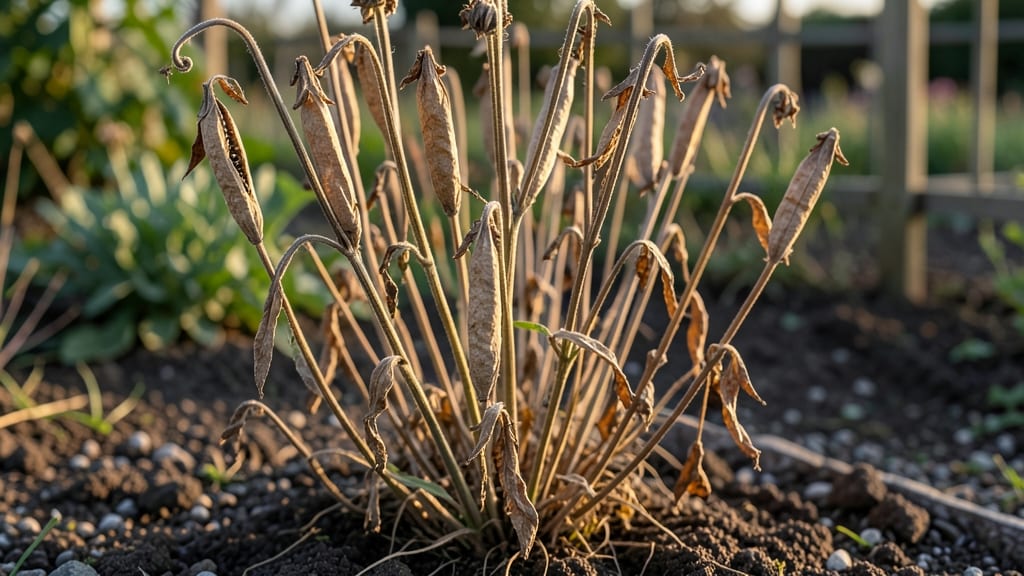
Harvesting dried snapdragon seed pods unlocks next year’s vibrant blooms—60 days after planting, you’ll see those same cheerful faces return. 🌸 The key is timing: wait until the pods turn from green to a papery brown, then gently twist them free before they burst open.
I’ve learned the hard way that rushing this step means losing seeds to wind or rain, so patience here pays off big time.
Once you’ve collected them, drying is where most gardeners trip up. Air-drying on a screen or in a paper bag works fine, but if you’re in a damp climate, a low oven (under 200°F) for 1-2 hours speeds things up safely.
Store the dried pods in an envelope labeled with the variety and date—this keeps them viable for 2-3 years, ready to jumpstart your next growing season.
What you’ll end up with is a collection of seeds that need chilling (4-6 weeks in the fridge) to break dormancy. After that, direct sowing in early spring gives you those classic snapdragon spikes—tall, colorful, and impossible to resist.
The best part? You’ll never pay for seeds again, and your garden will feel like a living time capsule of last year’s favorites.
For those who’ve struggled with moldy pods or shriveled seeds, the fix is simple: proper airflow during drying and storing them in a cool, dry place. A little attention now means no last-minute panic when spring planting rolls around. Let’s make sure your snapdragons come back even stronger next year!
📚 In This Guide
- What you need
- Instructions
- Tips and common mistakes
- Wrapping up and next steps
What you need
- ● Dried snapdragon seed pods: 10-20 pods (check seed packets for exact quantities; organic or heirloom varieties work best!)
- ● Well-draining potting soil: 1-2 gallons (mix with perlite or sand for extra aeration)
- ● Small pots or seed trays: 2-4 (4-6 inches deep, with drainage holes)
- ● Watering can or spray bottle: For gentle hydration (avoid oversaturating!)
- ● Scissors or pruners: To carefully open seed pods (sterilize with rubbing alcohol first!)
- ● Clear plastic wrap: To create a mini greenhouse effect while germinating.
- ● Grow lights or sunny windowsill: 6+ hours of indirect light daily (south-facing is ideal!).
- ● Fertilizer (balanced 10-10-10 or compost tea): Lightly mix into soil before planting for a nutrient boost.
- ● Plant labels: To track varieties if growing multiple types.
- ○ Gloves: For handling prickly pods (optional but handy!).
How to grow snapdragons from dried seed pods
Here's the simple method I use to grow snapdragons from dried seed pods—no fancy equipment needed, just patience and a little chill time.
🌱 Step 1: Harvest and Dry the Seed Pods
Collect mature snapdragon seed pods once they turn brown and begin splitting open naturally. I always harvest on a dry morning to prevent mold—wait until the pods are fully dry to the touch. Cut the stems with 4-6 inches of stalk attached and bundle them together with a rubber band.
Hang the bundles upside down in a dry, shaded spot for 1-2 weeks. You'll know they're ready when the pods open easily and seeds rattle inside. Store the dried pods in a paper bag until you're ready to plant. This drying step ensures the seeds break dormancy properly for spring planting.
💧 Step 2: Cold Stratify the Seeds
Snapdragons need a cold period to germinate well. Place the dried seed pods in a sealed plastic bag with a damp paper towel. I like to add a few ice cubes to the bag to keep everything moist without overwatering. Seal it tightly and refrigerate for 4-6 weeks.
Check the bag weekly—if condensation forms, open it briefly to let moisture escape. This cold treatment mimics winter conditions and signals the seeds it's time to grow. After 4 weeks, you can start testing germination by planting a few seeds in a small pot to see if they sprout.
☀️ Step 3: Plant After Last Frost
Wait until after your last frost date to plant outdoors, when soil temperatures reach at least 55°F. Fill small pots or seed trays with well-draining potting mix and scatter seeds on the surface—don't bury them. Snapdragons need light to germinate, so press them gently into the soil instead.
Cover the tray with plastic wrap or a humidity dome to retain moisture, then place in a sunny window or under grow lights. Keep the soil consistently moist but never soggy. You should see sprouts in 10-14 days, though some seeds may take longer if they didn't fully dry.
🌿 Step 4: Thin and Transplant Seedlings
Once seedlings develop their first true leaves, thin them to 3-4 inches apart in their containers. Use small scissors to snip unwanted seedlings at soil level—this prevents disturbing roots of the plants you're keeping. Strong seedlings will have sturdy stems and vibrant green leaves.
After 4-6 weeks and when nighttime temperatures stay above 50°F, transplant them outdoors. Choose a spot with full sun to partial shade and space plants 12-18 inches apart. Water deeply after transplanting to help roots establish in their new home.
⏰ Step 5: Maintain and Enjoy Blooms
Keep the soil evenly moist but not waterlogged, especially during flowering. Snapdragons thrive in well-draining soil with a pH of 6.0-7.0. Deadhead spent blooms regularly to encourage more flowers. You'll see your first blooms in 60-70 days from planting.
This is where the magic happens—watch as those dried seed pods transform into vibrant spikes of color. The key to long-lasting blooms is consistent care and proper spacing. Once established, snapdragons are surprisingly low-maintenance and will reward you with cheerful flowers all season.
Tips & tricks for perfect snapdragon blooms from seed pods
These little tricks will help you coax the most vibrant blooms from your dried snapdragon seed pods—without the guesswork.
Timing is Everything: In Step 1, when you're harvesting those dried seed pods, don't rush the drying process. The 1-2 weeks hanging time is crucial—it breaks seed dormancy and prevents mold. I've learned the hard way that damp pods lead to rot, so if your morning feels too humid, move the bundles to a dehumidifier or air-conditioned space. The goal is crisp, dry pods that rattle when shaken.
Cold Stratification Secrets: For Step 2, the 4-6 weeks of cold treatment is non-negotiable for snapdragons. Here's what I do to make it foolproof: Place a small dish of water in your fridge near the bag to maintain humidity without over-saturating. Every week when you check for condensation, also give the bag a gentle shake—this prevents mold from settling on one spot. And if you're impatient, you can test germination after just 4 weeks by planting a few seeds in a small pot indoors.
Soil Temperature Matters: The instructions mention waiting for soil to reach at least 55°F before planting, but here's the pro move: Use a soil thermometer to check in the afternoon when temps are warmest. Snapdragons are sensitive to cold soil, and if you plant too early, germination slows dramatically. I've seen seeds take 3 weeks instead of the usual 10-14 days when soil was only 50°F—not worth the wait!
Transplanting Like a Pro: When you're ready to transplant in Step 4, here's my foolproof method: Water the seedlings thoroughly the night before transplanting. This keeps roots intact and reduces shock. And when spacing outdoors, measure 12-18 inches between plants from center to center—not edge to edge. Crowded snapdragons fight for nutrients, leading to leggy stems and fewer blooms.
Pro Tips for Dried Snapdragon Seed Pods
- These little tricks will help you coax the most vibrant blooms from your dried snapdragon seed pods—without the guesswork.
- Timing is Everything: In Step 1, when you're harvesting those dried seed pods, don't rush the drying process.
- Cold Stratification Secrets: For Step 2, the 4-6 weeks of cold treatment is non-negotiable for snapdragons.
Frequently asked questions
Got questions about growing dried snapdragon seed pods?
Here are answers to the most common ones—from timing to troubleshooting—to help you cultivate these stunning blooms with ease.
How long does it take for snapdragon seed pods to dry and open?
Once fully mature, snapdragon seed pods typically dry and open within 4–6 weeks after flowering. Hang them in a dry, well-ventilated spot (like a mesh bag) to speed up the process. Avoid moisture—humidity can cause mold or premature opening.
Can I plant dried snapdragon seed pods directly into the ground?
Yes! Simply press the dried pods lightly into moist, well-draining soil (fall or early spring is ideal). They’ll self-sow naturally, but for faster results, nick the pod with scissors to release seeds. Snapdragons thrive in full sun and tolerate light frost.
What if my seed pods won’t open or stay closed?
Closed pods often mean high humidity or overripe seeds. Try these fixes:
- Move pods to a dry, warm location (like a sunny windowsill).
- Gently tap or shake pods to encourage opening.
- Check for pests (like aphids)—spray with soapy water if needed.
Are there alternatives to dried snapdragon seed pods for self-seeding flowers?
Try these low-maintenance, self-sowing options:
- Cosmos – Dries easily, blooms prolifically.
- Zinnias – Produce abundant seed heads.
- Calendula – Edible petals + self-seeding.
- Nasturtiums – Fast-growing, pest-resistant.
Will snapdragon seed pods survive winter?
Dried pods can overwinter in mild climates (USDA zones 7–10), but frost or heavy rain may damage them. For colder areas, store pods in a paper bag in a cool, dry place until spring. Plant them as soon as the soil thaws for early blooms!
Pro Tip:
Label your seed pods with the variety name and harvest year to track favorites. Snapdragons hybridize easily—saving seeds from mixed colors might yield surprises!
Wrapping up and next steps
Dried snapdragon seed pods are a magical addition to any garden, offering stunning, chill-activated blooms that brighten up outdoor spaces with minimal effort. Whether you're drawn to their whimsical charm or their low-maintenance growth, these pods are perfect for adding color and texture to lawns, borders, or containers.
Now that you’re equipped with the right materials and answers to common questions, it’s time to plant, wait, and enjoy—your garden’s next masterpiece is just 60 days away!
Ready to transform your space? Grab those pods, find a sunny spot, and let nature do the rest. Happy gardening! 🌸✨