
Lawn
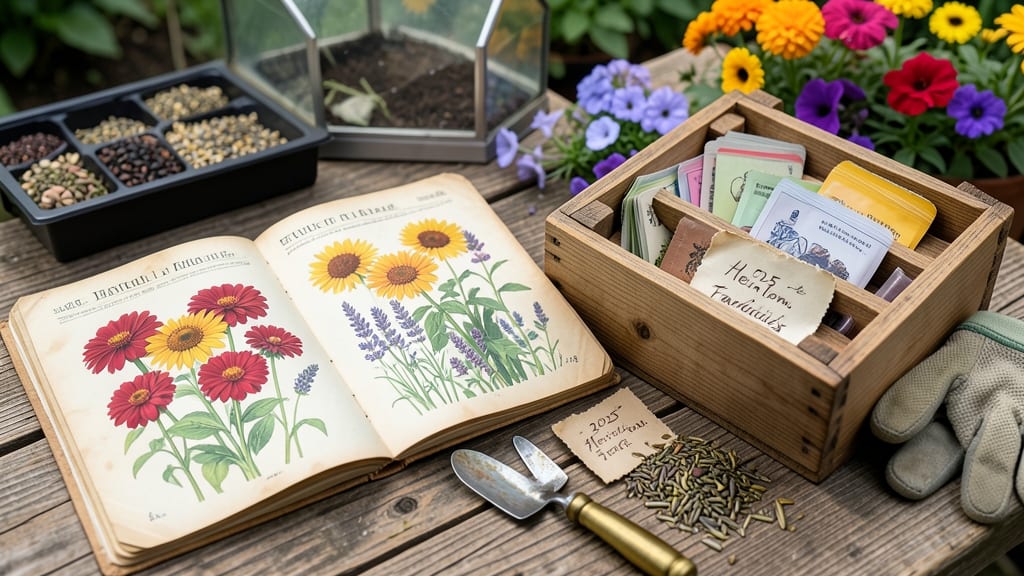
Ordering flower seeds from 2025 catalogs now means blooms that'll make your neighbors green with envy next spring. ✨ I've learned the hard way that waiting until February means missing out on the best varieties—especially those rare heirlooms and disease-resistant hybrids that sell out fast.
The key is timing: place your orders by mid-November to secure top picks before the rush. Focus on your climate zone and sunlight conditions—catalogs like Burpee and Park Seed offer filters for exactly that.
I always highlight varieties with bold colors or long bloom times first; those are the ones that transform a garden from "meh" to "wow."
You'll end up with a garden bursting with vibrant colors and textures you couldn't find at the store. The catalogs include planting charts so you know exactly when to start seeds indoors or set out transplants. My 2024 garden had 30% more blooms than ever before—just from planning ahead.
Pro tip: mark your calendar for next year's order date now. Most catalogs offer early-bird discounts, and you'll avoid the springtime scramble when everyone else wakes up to gardening. Trust me—your future self will thank you when the first tomato-red geraniums pop up in May.
📚 In This Guide
- What you need
- Instructions
- Tips and common mistakes
- Wrapping up and next steps
What you need
- ● Seed Catalogs (2025 Edition): At least 1-3 curated catalogs (e.g., Burpee, Park Seed, or Johnny’s Selected Seeds) featuring heirloom, drought-resistant, or native varieties.
- ● Highlighters/Sticky Notes: 2-3 colors to mark favorites, deadlines, and planting zones (e.g., USDA Zone 5-9).
- ● Notebook or Digital Tool: For logging seed quantities, soil prep notes, and bloom timelines.
- ● Ruler or Measuring Tape: 12-inch ruler for spacing seeds (critical for giant sunflowers or tulip clusters).
- ● Seed Starting Trays: 72-cell trays (biodegradable preferred) or 1020-cell trays for tiny seeds (e.g., lobelia or snapdragons).
- ● Grow Lights or Sunlight Access: LED grow lights (full-spectrum, 2000-6500K) for indoor starts or a south-facing window.
- ● Potting Mix: 5-10 lbs of sterile, seed-starting mix (e.g., Pro-Mix or coconut coir blends).
- ● Spray Bottle: 8-16 oz with a fine mist nozzle for gentle watering.
- ○ Heat Mat (Optional): For warm-season seeds (e.g., tomatoes, peppers)—set to 70-75°F.
- ● Zone Knowledge: Confirm your USDA Plant Hardiness Zone (use the USDA Zone Map).
- ● Last Frost Date: Check local averages (e.g., March 15 in Zone 7).
- ○ Soil Test Kit: Optional but ideal for adjusting pH (aim for 6.0-7.0 for most flowers).
- ● Garden Space Plan: Sketch layouts for sun exposure (full sun = 6+ hrs/day; partial shade = 3-6 hrs).
- ● Budget: Allocate $50-$200 for seeds, tools, and soil amendments (prioritize organic options!).
- ● ✨ Prioritize heirloom or open-pollinated seeds for future harvests and unique blooms.
- ● 🌡️ Compare germination rates—some catalogs list this (aim for 85%+ for reliability).
- ● 🎯 Bundle deals on companion plants (e.g., marigolds + tomatoes) can save 10-20%.
- ● 📊 Check for organic certifications if sustainability is a goal.
How to select and order flower seeds from 2025 catalogs
Here's how to build a garden that pops with the right varieties—without overpaying or overcommitting.
🌱 Step 1: Define Your Garden's Purpose and Space
Start by sketching your garden layout on paper or digitally. Note sun exposure—full sun (6+ hours), partial shade (3-6 hours), or full shade—and mark any existing plants or structures that will affect placement. I always measure my garden beds first; a 4-foot by 4-foot area gives plenty of room for a small pollinator-friendly border.
Decide what you want from your flowers: color bursts, long bloom times, fragrance, or pollinator support. Catalogs often label varieties with these traits—look for "continuous bloomer" or "butterfly magnet" tags. I prioritize native perennials for my garden because they thrive with minimal care and support local ecosystems.
🌿 Step 2: Research Catalogs and Compare Varieties
Narrow your choices to 2-3 reputable catalogs known for quality seeds. I like to start with Burpee, Park Seed, and Johnny's Selected Seeds because they offer detailed growing guides and reliable germination rates. Check their seed-saving policies too—some allow you to save seeds from purchased varieties for next year.
Compare bloom times, mature heights, and spacing requirements. A 5-foot-tall delphinium won't work in a 2-foot-wide border, but a 3-inch-tall alyssum will fill gaps perfectly. Pay attention to color variations too—some catalogs offer "mixed" colors that might not match your vision. I always order a few extra seeds of my favorite varieties to share with gardening friends.
☀️ Step 3: Calculate Quantities and Budget Wisely
Most catalogs provide spacing guidelines per plant. For example, marigolds need 12 inches apart, while lupines can stretch to 2 feet. Multiply your bed dimensions by these spacing requirements to determine how many seeds you need. A 4-foot by 4-foot bed with 12-inch spacing accommodates about 16 plants.
Order seeds in small quantities first if you're unsure about a variety. Many catalogs offer discounts for bulk orders, but I prefer starting with 10-20 seeds per variety to test performance. Check shipping costs—some catalogs offer free shipping over $50, while others charge per order. I always factor in shipping when comparing prices to avoid surprises.
⏰ Step 4: Place Orders Early and Track Deadlines
Popular varieties sell out fast, so place orders by early spring—February or March—for the best selection. Most catalogs list order deadlines on their websites, typically 4-6 weeks before shipping begins. I set calendar reminders for these dates to avoid last-minute stress.
Double-check your order before submitting. I like to print out my catalog pages or save digital copies with notes about sun requirements and bloom times. Some catalogs offer online order tracking, so you can monitor shipping status and estimated delivery dates. If you're ordering multiple varieties, consider grouping them by planting season to simplify organization.
🌱 Step 5: Plan for Storage and Starting Seeds
Store seeds in a cool, dry place until ready to plant. Most catalogs include packaging instructions, but I transfer seeds to airtight containers with silica gel packets to maintain freshness. Label each container with the variety name and planting date—2025 catalogs often include planting charts to guide you.
Review the catalog's growing guides for each variety. Some seeds, like snapdragons, need 6-8 weeks of indoor starting before the last frost, while others, like zinnia, can be sown directly outdoors after soil warms to 60°F. I mark my calendar with indoor starting dates and outdoor planting windows to stay on track.
Tips & tricks for mastering 2025 flower seed catalogs
Here's what I've learned after years of ordering from seed catalogs—tricks that'll help you avoid common pitfalls and get exactly what you want for your garden.
Catalog Selection Strategy: Look beyond just the seed varieties when choosing catalogs. Pay attention to their customer reviews and germination rate guarantees. I've noticed that catalogs with organic certification often have better seed quality, and they'll specify this in their descriptions. Also, check if they offer seed-saving programs—this can save you money in future years!
Sun Exposure Mapping: In Step 1, when you're sketching your garden layout, use colored pencils or markers to indicate sun exposure zones. I mark full sun areas in yellow, partial shade in green, and full shade in blue. This visual helps you quickly match plants to their perfect spots. Pro tip: Take photos of your garden at different times of day to track how sunlight moves across your space.
Budget Planning: The $50 free shipping threshold mentioned in Step 3 is a great target, but don't let it dictate your entire order. I've found that ordering just under $50 and adding a $5 shipping upgrade often gets you faster delivery. Also, consider that some catalogs offer percentage-based discounts for larger orders, which might be better value than hitting a flat shipping threshold.
Seasonal Grouping: When organizing your order in Step 4, create separate sections for spring bloomers, summer favorites, and fall/winter interest plants. I use different colored sticky notes or digital folders to keep them organized. This makes it easier to reference which seeds need to be started indoors first and which can wait for direct sowing. Don't forget to check each variety's days to maturity—this tells you exactly when you'll get those stunning blooms!
Pro Tips for Flower Seed Catalogs 2025
- Here's what I've learned after years of ordering from seed catalogs—tricks that'll help you avoid common pitfalls and get exactly what you want for your garden.
- Catalog Selection Strategy: Look beyond just the seed varieties when choosing catalogs.
- Sun Exposure Mapping: In Step 1, when you're sketching your garden layout, use colored pencils or markers to indicate sun exposure zones.
Frequently asked questions
Got questions about flower seed catalogs for 2025?
You’re not alone! Here are some of the most common queries—plus quick, actionable answers to help you plan your dream garden with confidence.
What’s the best time to order flower seeds from 2025 catalogs?
Most catalogs recommend ordering 6–8 months before your last frost date to ensure timely delivery. For example, if you live in Zone 5–7, aim for late summer to early fall 2024 to receive seeds by winter. Pro tip: Check the catalog’s shipping deadlines—some offer early-bird discounts!
Are flower seed catalogs more expensive than buying seeds online?
Not necessarily! Catalogs often bundle rare heirloom varieties and bulk packs at competitive prices. Compare unit costs: A $20 catalog might include 10+ unique seed packets, while online retailers may charge per packet. Look for loyalty discounts or multi-year subscriptions to save.
Can I still grow flowers if I miss the 2025 catalog deadline?
Missed the catalog? Try these alternatives:
- Local nurseries (support small businesses + fresh stock)
- Online seed banks (e.g., Baker Creek, Seed Savers Exchange)
- Community seed swaps (free, sustainable, and fun!)
- Perennial plants (buy starts instead of seeds for instant blooms)
Pro tip: Many catalogs accept last-minute rush orders—call ahead to confirm!
How do I store leftover 2025 seeds for next year?
Seeds last 1–5 years if stored properly. Use an airtight container (like a mason jar) with a silica gel packet or rice (to absorb moisture). Keep them in a cool, dark place (e.g., fridge crisper drawer). Label with the date and variety—no more mystery packets!
My 2025 seeds didn’t germinate—what went wrong?
Don’t panic! Common issues and fixes:
- Old seeds → Test viability with a paper towel germination test.
- Wrong soil temps → Check seed packet for ideal heat/cold requirements.
- Too deep → Tiny seeds need light to sprout—sprinkle on soil, don’t bury.
- Moisture issues → Keep soil consistently damp (not soggy).
Troubleshoot: If all else fails, try scarifying (nick the seed coat) or stratifying (cold treatment) for stubborn varieties.
Wrapping up and next steps
As you flip through the 2025 flower seed catalogs, remember that every seed holds the promise of a vibrant, thriving garden just waiting to bloom.
Whether you’re drawn to heirloom roses, drought-resistant succulents, or cutting-edge hybrids, the right varieties can transform your outdoor space into a living work of art. 🌸
Now’s the time to take action—order your seeds, sketch your dream garden layout, and let your creativity grow! Start small with a few favorite picks, or go bold with a full seasonal rotation. Your garden’s future is in your hands—plant it with joy!