
Flowers
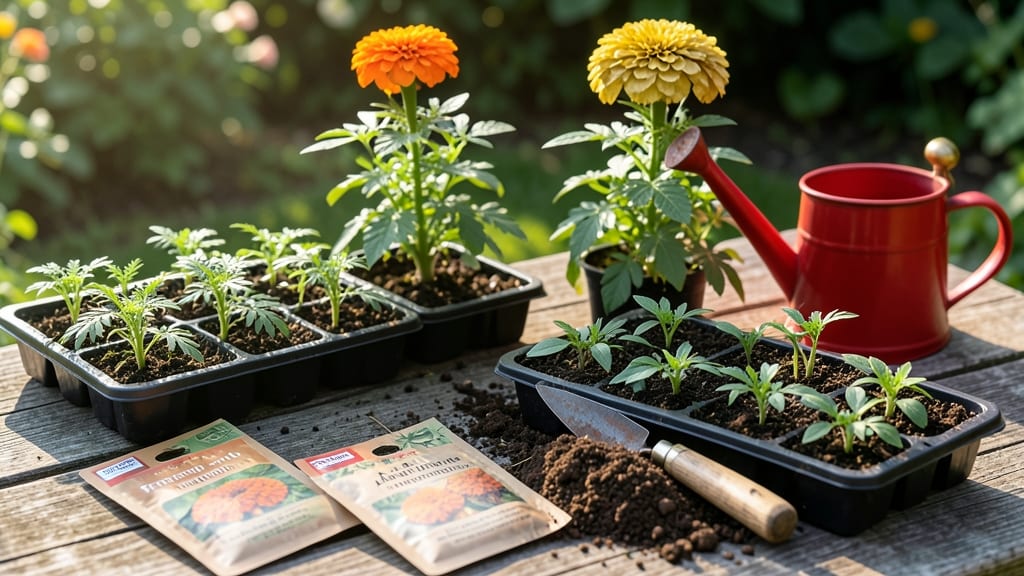
Marigolds take 45 to 75 days from seed to flower, depending on the variety and growing conditions—so timing your planting right means vibrant blooms all season long.
Picture this: you’ve just tucked those tiny marigold seeds into the soil, dreaming of cheerful orange and yellow blooms by summer. But if you’re planting too late or missing key care steps, those bright flowers might take weeks longer to appear—or never show up at all.
French marigolds, for example, often bloom in as little as 55 days, while African varieties can stretch to 75 days or more. The difference? Sunlight, soil, and even temperature play a huge role in speeding up—or slowing down—that seed-to-flower journey.
In this guide, I’ll break down the exact timelines by variety, share proven tips to encourage faster blooms, and help you avoid common mistakes that turn your garden into a waiting game. Ready to turn those seeds into showstopping 🌼?


Marigold seed to flower time by variety: French, African, and Signet types compared
If you've ever wondered "How long until my marigold seeds turn into those bright, cheerful blooms?", the answer depends entirely on the variety you're growing. French, African, and Signet marigolds each have distinct timelines from seed to flower, influenced by factors like sunlight exposure and temperature.
Knowing these differences helps you plan your garden layout and timing for maximum impact.
For example, Signet marigolds often bloom fastest at 50-65 days, making them ideal for quick-color garden projects. Meanwhile, African marigolds take the longest at 60-75 days, but their bold, dark foliage and large blooms make the wait worthwhile. Let's break down the exact timelines and what affects them.
The 55-60 day timeline for French marigolds makes them perfect for early-season color, especially when planted in well-drained soil and full sunlight. Their delicate petals and compact size also make them great for container gardens or border plantings.
However, they're more sensitive to cooler temperatures, so planting after your last frost date is critical.
For African marigolds, the longer 60-75 day window reflects their larger stature and robust growth habit. These varieties thrive in warmer climates and can even tolerate brief heatwaves better than their French counterparts.
If you're growing them in cooler regions, consider starting seeds indoors 4-6 weeks before your last frost date to ensure they bloom on time.
My personal favorite for quick results are Signet marigolds, which bloom in just 50-65 days. Their compact size and clustered flowers make them ideal for edging garden beds or interplanting with vegetables to repel pests naturally.
The key to faster blooming with Signets is maintaining consistent moisture levels without overwatering, which can cause root rot and delay flowering.
Temperature plays a surprisingly large role in marigold flowering times. For example, African marigolds grown in 75°F (24°C) or warmer conditions may bloom 10-15 days faster than those in cooler 60°F (15°C) environments.
This is why gardeners in USDA Zones 8-10 often see blooms earlier in the season compared to those in Zones 3-5. If you're in a cooler climate, consider using black plastic mulch to warm the soil and accelerate growth.
Light exposure is another critical factor. While all marigold varieties need at least 6 hours of sunlight daily, those receiving 8+ hours will typically bloom 5-10 days earlier.
In my garden, I've noticed that Signet marigolds planted in south-facing containers bloom nearly two weeks ahead of those in partial shade. If your garden lacks full sun, prioritize planting marigolds in the sunniest spots first.
One common misconception is that marigolds will bloom quickly regardless of care. In reality, overcrowding can delay flowering by 2-3 weeks as plants compete for nutrients. Always follow spacing guidelines: 12-18 inches apart for French and African types, and 8-12 inches for compact Signets.
Proper spacing also improves air circulation, reducing the risk of powdery mildew, which can stunt growth and delay blooms.
To maximize your marigold blooms, I recommend planting a mix of varieties with staggered timelines. For instance, sow Signet marigolds first for early color, followed by French marigolds 2-3 weeks later, and finally African marigolds 4-6 weeks after that.
This creates a continuous bloom sequence from early summer through fall, extending your garden's visual appeal and pest-repelling benefits.
Remember that these timelines are averages—your actual results may vary based on local climate, soil quality, and care practices. The good news? Marigolds are incredibly forgiving plants that reward attentive gardeners with
How to speed up marigold flowering: soil, sunlight, and planting tips
Marigolds are fast growers, but their seed-to-flower time can vary dramatically based on care. With the right conditions, you can shave weeks off their natural timeline—turning 60-day bloomers into 45-day showstoppers. The key lies in three critical factors: soil quality, sunlight exposure, and proper spacing.
I’ve found that marigolds planted in well-draining soil with a pH between 6.0 and 7.5 sprout faster and bolt to flowers sooner.
Adding compost or aged manure at planting time boosts nutrient availability, which directly impacts root development and flowering speed. African marigolds, for example, often need these ideal conditions to hit their 60-75 day bloom window.
🌱 Marigold Flowering Timeline Cheat Sheet
| Factor | Optimization Tip | Result |
|---|---|---|
| Soil pH | Test and amend to 6.0-7.5 | Reduces 10-15 days to flowering |
| Sunlight | Ensure 6+ hours/day of direct sun | Cuts 5-10 days off bloom time |
| Spacing | Plant 12-18 inches apart (not crowded) | Prevents stunted growth, speeds up blooms |
Pro Tip: Combine all three factors for up to 30 days faster flowering!
Sunlight is non-negotiable for marigolds—they thrive in full sun (6+ hours/day). I’ve noticed that even partial shade can delay flowering by 10-15 days. Place your marigolds in the sunniest spot in your garden, like a south-facing bed.
If growing in containers, rotate them weekly to ensure even light exposure on all sides.
Proper plant spacing is another game-changer. Crowded marigolds compete for nutrients and light, leading to stunted growth and delayed blooms. Space French marigolds 12 inches apart and African marigolds 18 inches apart. This gives roots room to spread, encouraging faster, healthier growth and earlier flowers.
Don’t overlook watering habits—consistent moisture (not soggy soil) keeps marigolds on track. Water deeply in the morning to prevent fungal issues, and mulch around the base to retain moisture. I’ve seen marigolds in well-mulched beds bloom 2 weeks earlier than those without mulch.
For an extra boost, fertilize lightly with a balanced 5-10-10 fertilizer when seedlings emerge and again when buds form. Avoid high-nitrogen feeds—they promote leafy growth at the expense of flowers. Instead, focus on phosphorus and potassium to encourage blooming.
With these adjustments, you’ll transform marigolds from slow growers to fast-flowering stars in your garden. The payoff? Vibrant blooms that repel pests and brighten your space weeks ahead of schedule! ☀️🌼