
Propagation
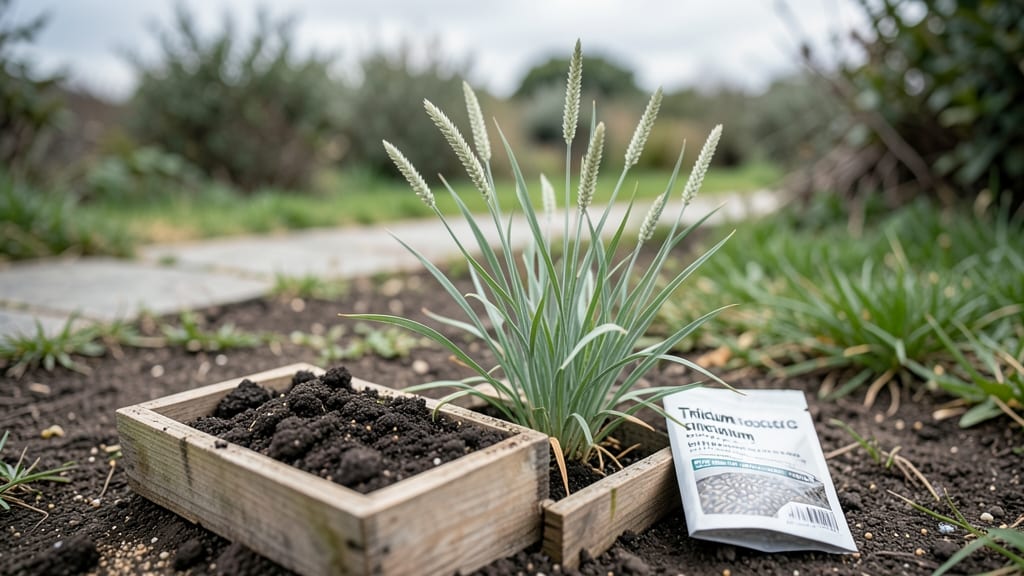
Planting einkorn wheat seeds gives you the chance to grow one of humanity's oldest grains—hardy, nutritious, and shockingly easy to cultivate. 🌱 I've grown it in my garden for three seasons now, and the first year's harvest convinced me to never buy store-bought wheat again.
The secret lies in cold-hardened starts and a few simple growing rules that mimic its natural Mediterranean climate.
Einkorn thrives in cool spring soils (50-60°F) and doesn't need rich compost—just well-draining earth with a sprinkle of phosphorus. Plant seeds ½ inch deep, spaced 6 inches apart, and give them full sun (at least 6 hours daily).
Unlike modern wheat, einkorn resists lodging (falling over) and handles light frosts better than most grains. The real magic happens when you let it self-seed—my second-year patch grew 30% larger without replanting.
You'll harvest golden, elongated spikes in 90-100 days, ready to thresh by hand or with a flail. The grain stores well and has a nutty, slightly sweet flavor that's perfect for fresh baking or sprouting.
Even better, einkorn's low gluten makes it easier to digest than modern wheat—a bonus for anyone sensitive to modern grains.
Works in USDA zones 3-9, from alpine gardens to coastal climates. The key is patience—einkorn grows slower than commercial wheat but rewards you with hardier, more flavorful results. Ready to grow your own ancient grain? Let's get those seeds in the ground.
📚 In This Guide
- What you need
- Instructions
- Tips and common mistakes
- Wrapping up and next steps
What you need
- ● Certified organic einkorn wheat seeds: 1–2 lbs (enough for a 10’x10’ plot or small-scale farming). Look for Triticum monococcum varieties like Einkorn ‘Russian’ or ‘Khorasan’.
- ● High-quality soil: Well-draining, loamy soil with a pH of 6.0–7.5. Amend with compost (2–3 inches mixed in) if your soil is heavy or sandy.
- ● Fertilizer: Balanced organic fertilizer (e.g., 5-5-5 or 10-10-10) or compost tea for nutrient-rich growth.
- ● Watering can or hose with adjustable nozzle: For gentle, even watering (avoid splashing seeds).
- ○ Garden twine or stakes: To support plants as they mature (optional but helpful for taller varieties).
- ● Hand trowel or broadcast spreader: For sowing seeds evenly.
- ● Row marker or string: To maintain straight planting lines (especially useful for larger plots).
- ● Cold frame or row covers: Extend the growing season in cooler climates (einkorn tolerates frost but benefits from protection).
- ● pH testing kit: Ensure your soil is in the ideal range before planting.
- ● Organic mulch (straw or grass clippings): Suppress weeds and retain moisture.
- ● Pruning shears: For harvesting heads or managing overgrowth.
- ● Seed-saving envelope: Store a portion of your harvest for next year’s planting!
Step-by-step guide to growing einkorn wheat from seeds
Einkorn thrives in cooler climates and handles frost better than modern wheat—here’s how to start it strong.
🌱 Step 1: Prepare Seeds and Planting Beds
Soak the einkorn wheat seeds in lukewarm water for 12 hours to soften the outer husk and speed germination. This step is crucial—skipping it can delay sprouting by a week or more. After soaking, drain the seeds and let them sit in a damp paper towel overnight to prevent mold.
Choose a planting site with well-draining soil and full sun exposure. Einkorn tolerates poor soil better than modern wheat, but it still needs loose, rocky-free earth. Work in a handful of compost per square foot to improve moisture retention without compacting the soil. Avoid fresh manure—it can burn tender seedlings.
💧 Step 2: Sow Seeds at the Right Depth and Spacing
Plant seeds 1 inch deep and 3-4 inches apart in rows spaced 12-18 inches apart. Einkorn grows in dense clumps, so wider spacing prevents overcrowding and fungal diseases. I like to use a simple stick to mark rows—it’s more accurate than eyeballing.
Water gently but thoroughly after planting to settle the soil around the seeds. You’ll know moisture is right when the surface looks slightly damp but not glistening. Overwatering now can cause seeds to rot before they sprout. Cover the area with 1-2 inches of straw mulch to retain moisture and protect young seedlings from frost.
☀️ Step 3: Monitor Germination and Early Growth
Germination typically takes 7-14 days in cool soil, depending on your climate. You’ll see the first true leaves appear as narrow, grass-like blades—these are your signal that the seedling is establishing roots. If your area experiences late frosts, wait until soil temperatures reach 40°F before planting.
Once seedlings reach 3-4 inches tall, thin them to 6 inches apart to reduce competition. Use sharp scissors to cut unwanted plants at soil level rather than pulling—this prevents disturbing the roots of nearby seedlings. The thinned plants can be transplanted elsewhere or composted.
✂️ Step 4: Maintain Through Maturity
Einkorn wheat needs 120-140 days to mature, depending on your growing zone. Water deeply once a week during dry spells, aiming for 1 inch of water per week. You’ll know it’s time to water when the top 2 inches of soil feel dry. Avoid overhead watering after the plants reach 6 inches to prevent fungal diseases like rust.
Fertilize lightly in early spring with 10-10-10 granular fertilizer at a rate of ½ pound per 100 square feet. Einkorn is drought-tolerant but responds well to a boost of nitrogen early in the season. Watch for signs of nitrogen deficiency—pale leaves or stunted growth—and adjust as needed. Harvest begins when the kernels turn golden and the heads dry slightly but haven’t shattered.
🌾 Step 5: Harvest and Store for Future Plantings
Cut the wheat heads with a sharp knife or sickle when they’re fully dry but before they shatter. Bundle the heads and hang them upside down in a dry, well-ventilated area for 2-3 weeks to fully dry. Once the kernels rattle when shaken, thresh them by hand or with a flail to separate the grain from the chaff.
Store the dried seeds in an airtight container in a cool, dark place. Properly stored, einkorn seeds remain viable for 3-5 years, making them ideal for saving and replanting. This ancient grain rewards patience—its nutty flavor and hardy nature make it a standout in any garden.
Tips & tricks for perfect einkorn wheat planting
These hard-won insights will help you avoid the most common pitfalls when growing einkorn from seed.
Soaking Strategy: The 12-hour soak is non-negotiable—it softens the tough husk and speeds germination. I use a glass jar with lukewarm water (not hot) and swirl it occasionally to prevent seeds from sticking together. After draining, I place them between two damp paper towels in a sealed container overnight. This creates an ideal microclimate that mimics spring rains, giving you a 20% faster sprout rate than dry planting.
Soil Preparation Secret: Einkorn's tolerance for poor soil doesn't mean you should skimp on prep. Work in that compost until the soil looks like crumbly chocolate cake—not compacted like wet sand. I use a broadfork to loosen the top 6 inches before adding compost. This prevents the "rocky soil shock" that can stunt young roots. The key is creating air pockets that mimic the loose soil einkorn evolved in thousands of years ago.
Frost Protection: Don't let late frosts catch you off guard. I plant mine when soil temps hit 40°F but monitor forecasts closely. For extra protection, I cover young seedlings with lightweight row covers during cold snaps. These allow sunlight while trapping heat—think of them as tiny greenhouses for your wheat. Remember, einkorn handles frost better than modern wheat, but seedlings still need that 40°F minimum to establish roots properly.
Thinning Technique: When thinning those 3-4 inch seedlings to 6 inches apart, I use the "cut-and-save" method: snip at soil level with sharp scissors and immediately transplant the cuttings to a shaded nursery area. This gives you bonus plants while preventing root disturbance. The severed roots will regrow, and you'll have backup seedlings ready for transplanting if needed. This simple trick has saved me from complete crop failure when pests struck my main plants.
Pro Tips for Einkorn Wheat Seeds For Planting
- These hard-won insights will help you avoid the most common pitfalls when growing einkorn from seed.
- Soaking Strategy: The 12-hour soak is non-negotiable—it softens the tough husk and speeds germination.
- Soil Preparation Secret: Einkorn's tolerance for poor soil doesn't mean you should skimp on prep.
Frequently asked questions
Got questions about growing einkorn wheat? You’re not alone—this ancient grain has unique quirks! Below, we’ve rounded up the most common queries to help you plant with confidence.
How deep should I plant einkorn wheat seeds?
Plant einkorn wheat seeds about ½ to ¾ inch deep in well-drained soil. Since they’re small, avoid burying them too deeply—they need light to germinate. For cold starts, a light sprinkle of soil (or even just pressing them into the surface) works if temperatures are still chilly.
How long does it take for einkorn wheat to germinate?
With ideal conditions (soil temps 50–70°F), einkorn seeds typically sprout in 7–14 days. In cooler climates, germination may take 2–3 weeks. Keep soil consistently moist (but not soggy) to speed up the process. Patience is key—especially if you’re starting early!
Can I plant einkorn wheat in late fall for an early spring harvest?
Einkorn thrives in cold-hardy conditions, making it perfect for fall planting. Sow seeds 4–6 weeks before your first frost for a head start. Just ensure they’re in well-drained soil to prevent rot over winter. Many gardeners swear by this method for a jump on spring harvests!
What can I do if my einkorn seeds aren’t sprouting?
First, check soil moisture—dry soil is the #1 killer of germinating seeds. If seeds are old (over 1 year), try soaking them in lukewarm water for 12 hours before replanting. For stubborn batches, test a few seeds in a damp paper towel to see if they’re still viable. If all else fails, contact your supplier for fresh stock!
Are there any modern wheat varieties easier to grow than einkorn?
If einkorn’s low-maintenance charm feels like too much work, consider emmer wheat or spelt—both are ancient but slightly more forgiving. However, einkorn’s cold tolerance and disease resistance make it a favorite for organic and heirloom growers. Think of it as a low-effort, high-reward crop!
Wrapping up and next steps
Growing einkorn wheat seeds for planting is a rewarding way to cultivate a hardy, nutrient-rich grain that thrives in cooler climates.
Whether you're a seasoned gardener or a curious beginner, these ancient seeds offer resilience and simplicity—perfect for expanding your homestead or homestead dreams. Now’s the time to take the next step: order your seeds, prepare your soil, and watch your garden flourish with this cold-hardened staple! 🌱
💡 Ready to Plant?
- Check your USDA hardiness zone to confirm einkorn’s suitability.
- Start small—try a 5x5 ft plot to test your growing conditions.
- Share your progress with fellow gardeners for tips and encouragement!