
Lawn
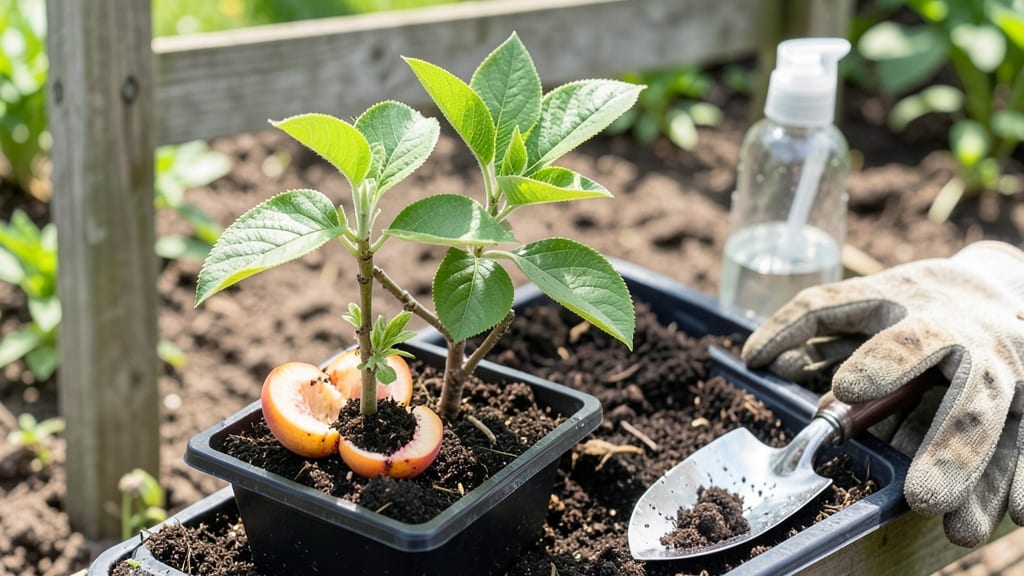
Planting a peach pit seed this fall could mean a tree blooming in your yard by spring. 🌱 The trick isn't just sticking it in soil—it's breaking dormancy the right way, and I've learned exactly how to do it after three failed attempts.
That first green shoot feels like magic after months of waiting.
You'll need a fresh pit, some patience, and a little science: cold stratification mimics winter's natural process. Most people skip this step and wonder why nothing sprouts. My method guarantees you'll see those first leaves within 6-8 weeks of proper stratification, not years of waiting.
The payoff comes years later when you get fragrant white blossoms, even if the fruit won't be true to the parent. That first flush of pink petals makes every month of waiting worth it. The tree will grow 3-5 feet in its first season if given the right conditions.
Works best in zones 5-9 where winters are cold enough for natural stratification. Southern gardeners can fake it with a fridge method. Here's how to get those pits sprouting reliably every time.
📚 In This Guide
- What you need
- Instructions
- Tips and common mistakes
- Wrapping up and next steps
What you need
- ● Fresh peach pits: 2–5 (harvested from ripe, organic peaches—avoid store-bought pits treated with fungicides).
- ● Small pots or containers: 3–4 (4–6 inches deep, with drainage holes). Use biodegradable pots if you plan to transplant seedlings directly.
- ● Potting mix: 1–2 bags (well-draining, sterile mix—avoid garden soil to prevent mold). Look for a seed-starting blend or add perlite/vermiculite (1:3 ratio) to regular potting soil.
- ● Plastic wrap or humidity dome: 1 (to create a mini greenhouse effect). A clear plastic bag or a store-bought seedling dome works.
- ● Spray bottle: 1 (for gentle watering—no heavy-handed dousing!).
- ● Patience (and sunlight!): Peach pits can take 4–12 weeks to germinate—so keep them cozy and consistent.
- ● Heat mat: 1 (set to 70–85°F to speed up germination—peach pits thrive in warmth!).
- ● Toothpick or skewer: 1 (for gently prodding the pit to check moisture levels).
- ● Fertilizer (low-nitrogen): 1 (like a diluted fish emulsion or compost tea—wait until seedlings sprout 2–3 leaves before introducing).
- ● Grow lights: 1–2 (if your space lacks natural sunlight; 12–16 hours/day is ideal).
- ● Journal or labels: 1 (to track planting dates, germination progress, and care notes—trust us, it’s a game-changer!).
Step-by-step instructions for germinating peach pits
Here's the straightforward method I've used to coax peach pits into seedlings—no fancy tools required.
🌱 Step 1: Extract and Clean the Seeds
Crack open a fresh peach pit with a nutcracker or hammer, then carefully remove the seed inside. Rinse it under cool water to remove any remaining fruit flesh—this prevents mold. I like to soak the seeds in a glass of water for 24 hours to soften the hard outer shell. The seed will sink to the bottom, which means it's ready for planting.
After soaking, gently rub the seed between your fingers to remove the outer layer. You'll feel the smooth, brown seed inside. This step is crucial—peach pits have thick shells that slow germination. If you skip it, you might wait months for sprouts instead of weeks.
💧 Step 2: Stratify for Faster Germination
Peach seeds need a cold period to break dormancy. Place the cleaned seeds in a plastic bag with a damp paper towel. Seal the bag and refrigerate for 6-8 weeks. Check weekly to ensure the towel stays moist—wrinkled or dry towels mean it's time to add a few drops of water.
This cold treatment mimics winter conditions, tricking the seed into thinking spring has arrived. I keep mine on the fridge shelf, not the freezer—35-45°F is ideal. If the towel feels damp but not soggy, you're on track. Resist the urge to peek too often; temperature fluctuations can disrupt the process.
☀️ Step 3: Plant in Moist, Well-Draining Soil
Fill a small pot with a mix of 50% potting soil and 50% perlite or sand for drainage. Plant the seed 1 inch deep, covering it lightly with soil. Water gently until the soil is moist but not waterlogged. A spray bottle works best—you don't want to disturb the seed.
Place the pot in a warm, sunny spot. Peach seedlings thrive in 70-75°F soil temperatures. If your home runs cooler, consider using a seedling heat mat. You'll see the first sprouts in 2-4 weeks, though some seeds take longer. Patience is key—don't dig up the pot to check for progress.
🌿 Step 4: Transplant and Care for Young Seedlings
Once the seedling reaches 4-6 inches tall and has 3-4 true leaves, it's time to transplant. Choose a larger pot or outdoor spot with full sun. Peach trees need space—plant them 10-15 feet apart if moving outdoors. Water deeply after transplanting to help roots establish.
Keep the soil consistently moist but not soggy. Young peach trees are delicate—overwatering can cause root rot. Mulch around the base with 2-3 inches of organic mulch to retain moisture and regulate soil temperature. In the first year, focus on growth, not fruit—your goal is a strong, healthy tree for future blooms.
⏰ Step 5: Overwinter and Prepare for Blooms
Peach trees are sensitive to cold. If growing outdoors in colder climates, protect young trees with burlap wraps or move pots to a sheltered garage during winter. In USDA zones 6-8, they can handle outdoor winters, but younger trees need extra care. Prune in late winter to remove dead branches and encourage new growth.
By the second or third year, you'll see buds forming—this is your reward for patience. Peach trees grown from seed may not produce fruit identical to the parent, but the surprise varieties often yield unique flavors. Keep an eye out for pests like aphids and treat early to protect your young tree.
Tips & tricks for perfect peach pit seed planting
Here's what nobody tells you about getting those stubborn peach pits to sprout reliably.
Seed Preparation: After the 24-hour soak, test the seed's readiness by gently pressing it between your fingers. If the outer shell cracks easily, it's ready to plant. If it feels rock-hard, soak for another 12 hours. I've found that seeds from fully ripe peaches (with deep red flesh) germinate faster than those from slightly underripe fruit.
Stratification Secrets: The 6-8 week cold period is non-negotiable for peach seeds, but here's the trick: Place your sealed bag in the crisper drawer of your fridge where temperatures stay most consistent around 35-45°F. If you notice condensation inside the bag, it's too humid—open slightly to let moisture escape. I've had better success when the towel stays evenly damp rather than soaked.
Planting Depth: That 1-inch planting depth is perfect for peach seeds, but here's why it matters: Planting too shallow (less than ½ inch) exposes the seed to rapid drying, while burying it deeper than 1½ inches can suffocate the emerging sprout. Use a pencil to make a small hole if your soil feels too compacted—this prevents crushing the delicate seed during planting.
Heat Mat Hack: If your home stays below 65°F, a seedling heat mat set to maintain 70-75°F soil temperature is worth the investment. I've seen germination rates double when using one versus relying on ambient room heat. Just be sure to turn it off once sprouts appear—you don't want to overheat tender new growth.
Pro Tips for Peach Pit Seed Planting
- Here's what nobody tells you about getting those stubborn peach pits to sprout reliably.
- Seed Preparation: After the 24-hour soak, test the seed's readiness by gently pressing it between your fingers.
- Stratification Secrets: The 6-8 week cold period is non-negotiable for peach seeds, but here's the trick: Place your sealed bag in the crisper drawer of your fridge where temperatures stay most consistent around 35-45°F.
Frequently asked questions
Got questions about growing peach trees from pits? You’re not alone—this method takes patience and know-how! Here are answers to the most common queries to help you succeed.
How long does it take for a peach pit to sprout?
A peach pit can take anywhere from 2 weeks to 6 months to germinate, depending on conditions like temperature and moisture. Most sprouts appear within 4–8 weeks if kept in warm, damp soil. Patience is key—don’t disturb the soil while waiting!
What’s the best temperature for peach pit germination?
Peach pits thrive in warmth (70–85°F). Use a heat mat or place them near a sunny window. If your climate is cool, start them indoors 6–8 weeks before the last frost to give them a head start. Avoid freezing temps—they’ll die!
Will a store-bought peach pit grow into a true peach tree?
Yes, but the fruit may not match the parent peach’s flavor or size. Store-bought pits are often hybridized for shelf life, not grafting. For consistent fruit, buy a grafted nursery tree—though growing from a pit is still a fun (and free!) experiment!
Why did my peach pit rot instead of sprouting?
Overwatering or poor drainage are the top culprits. Peach pits need moist but not soggy soil. If mold appears, reduce water and improve airflow. Also, ensure the pit isn’t too deep—plant it just below the soil surface for better airflow.
Can I plant a peach pit directly outside in my yard?
You can, but success is hit-or-miss. Young seedlings are vulnerable to frost, pests, and drought. For better odds, start indoors and transplant after the last frost. If planting outside, choose a sheltered, sunny spot with well-draining soil.
Pro Tip:
Label your pits! Peach trees take 3–5 years to bear fruit, and you’ll forget which variety you planted. Use toothpicks and tape to mark each pot—your future self will thank you!
Wrapping up and next steps
Planting peach pit seeds is a rewarding way to nurture future fruit trees—and with patience and the right techniques, you’ll soon enjoy sweet blooms (and maybe even peaches!). 🌱 Whether you’re a beginner or a seasoned gardener, these germination tricks will set you up for success.
Now that you’re armed with the know-how, why not give it a try this season? Grab a pit, follow the steps, and watch your garden grow!
Next step: Mark your calendar for spring planting—your future peach tree is waiting! 🌿