
Lawn
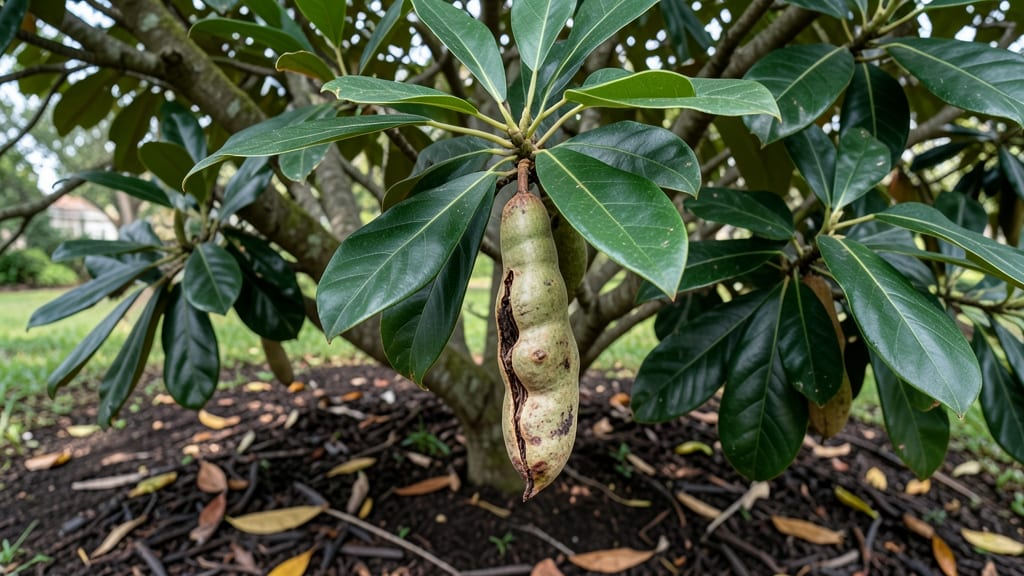
Those deformed magnolia seed pods scream "something's wrong" with your tree. 🌿 I've seen them go from elegant to grotesque overnight—often because of hidden problems like fungal infections or scale insects feasting on sap.
The good news? Most causes are fixable with the right approach, and early action keeps your magnolia thriving.
Start by checking for sticky residue (scale insects) or black sooty mold (fungus) on leaves and stems. Poor drainage or nutrient deficiencies can also warp pods, so examine the soil around the roots.
A simple soil test reveals what's missing—usually nitrogen or potassium. Prune affected branches in late winter to remove deformed pods before they drain energy from the tree.
You'll see improvement within one growing season if you address the root cause. Healthy pods form straight and plump, while deformed ones signal stress. The key is consistent care: water deeply but infrequently, mulch properly, and monitor for pests regularly.
Most home gardeners can handle this—no arborist needed unless the tree is severely stressed.
Prevention is easier than repair: apply neem oil in early spring for scale prevention, ensure good airflow around the tree, and avoid over-fertilizing. With these steps, your magnolia will reward you with smooth, perfect seed pods next season—and stunning spring blooms to match.
📚 In This Guide
- What you need
- Instructions
- Tips and common mistakes
- Wrapping up and next steps
What you need
- ● Pruning shears or bypass pruners – Sharp, sterilized, and capable of cutting through woody pods (4- to 6-inch blades recommended).
- ● Disinfectant (70% isopropyl alcohol or bleach solution) – For cleaning tools between cuts to prevent disease spread.
- ● Gloves (gardening or nitrile) – Thick enough to protect against sap and splinters.
- ● Horticultural oil or fungicide – Copper-based or neem oil (follow label instructions for dilution).
- ● Potting soil or compost – If repotting or creating a healing environment (sterile mix preferred).
- ● Watering can or hose with adjustable nozzle – For gentle hydration post-treatment.
- ○ Twine or plant ties – To support heavy or misshapen pods (optional but helpful for large trees).
- ● Magnifying glass or loupe – For spotting pests or fungal spores on pods.
- ● Tree growth regulator (e.g., paclobutrazol) – Consult a local nursery for dosage guidance.
- ● Camera or smartphone – To document progress before/after treatment.
- ● Mulch (pine straw or wood chips) – To retain moisture and regulate soil temp around the base.
- ● Knowledge of your magnolia species (e.g., Magnolia grandiflora vs. Magnolia stellata)—growth habits vary!
- ● Access to a local nursery or extension office for soil testing or pest ID if needed.
- ● Patience! Healing deformed pods may take 1–2 growing seasons.
Step-by-Step guide to correcting deformed magnolia seed pods
Here's how I restore natural growth and prevent future twisting in magnolia seed pods.
🌿 Step 1: Identify the Cause of Deformation
Examine the deformed pods closely—twisting often stems from environmental stress or physical damage. I look for these key indicators: uneven growth patterns, cracked surfaces, or abnormal coloration (yellowing or browning). These signs typically point to either nutrient deficiencies (like lack of magnesium or nitrogen) or physical trauma (such as hail or pest damage).
Check the surrounding tree for other symptoms—yellowing leaves or stunted growth can confirm nutrient issues. If the deformation appears localized to just a few pods while others look healthy, physical damage is more likely. I always compare affected pods to healthy ones on the same branch to isolate the problem.
✂️ Step 2: Prune Damaged Pods for Better Airflow
Use clean, sharp pruning shears to remove any severely deformed pods—this prevents energy drain from the tree and improves airflow around remaining healthy pods. Cut at a 45-degree angle, about ¼ inch above a leaf node to encourage new growth. I sterilize my tools with rubbing alcohol between cuts to avoid spreading disease.
Don't remove more than 20-30% of the pods at once—this maintains the tree's energy balance. After pruning, inspect the cuts for any signs of sap bleeding, which could indicate stress. A light application of pruning sealant (optional) helps protect the tree if you notice excessive sap flow.
💧 Step 3: Adjust Watering and Nutrient Routine
Magnolias need 1-1.5 inches of water weekly, but uneven moisture can distort pod development. I check soil moisture by inserting my finger 2-3 inches deep—if it feels dry, water deeply at the base. Avoid overhead watering, which can cause fungal issues that worsen pod deformities.
Apply a balanced 10-10-10 fertilizer in early spring and again after flowering, following label instructions. For magnesium deficiencies (common in deformed pods), I mix 1 tablespoon of Epsom salt per gallon of water and apply it as a foliar spray every 2 weeks until pods firm up. Always water the soil before fertilizing to prevent root burn.
☀️ Step 4: Optimize Light and Temperature Conditions
Magnolias thrive in full sun to partial shade—if pods are twisting, check for light stress. I monitor the tree's exposure: 6+ hours of direct sun is ideal, but afternoon shade helps in hot climates. If the tree is in a low-light area, gradually move it to a sunnier spot over 2-3 weeks to avoid shock.
Temperature swings also affect pod formation—keep the tree in a stable 60-85°F range. If your region experiences late frosts, protect young pods with frost cloth until the danger has passed. I've found that consistent temperatures prevent the uneven growth that leads to twisting.
🌱 Step 5: Monitor for Pests and Diseases
Scale insects and spider mites often target magnolia pods, causing deformities as they feed on sap. I inspect pods weekly for sticky residue (honeydew) or fine webbing, which are clear signs of infestation. If found, treat with neem oil spray (1 tablespoon per quart of water) or insecticidal soap, applying in the early morning or evening.
Fungal diseases like anthracnose can also distort pods—look for dark spots or lesions on the surface. Remove infected pods immediately and apply a copper fungicide as a preventive measure. I always water at the base to keep foliage dry, which reduces fungal spores in the air.
Tips & tricks for restoring healthy magnolia seed pods
Here's what I've learned from years of working with magnolias—these are the details that make all the difference when dealing with twisted pods.
Diagnostic Precision: In Step 1, when examining pods, I've found that using a magnifying glass helps identify early signs of nutrient deficiencies—look for tiny yellow speckles between the pod seams that indicate magnesium deficiency. These subtle clues often appear before visible twisting occurs. The comparison method mentioned is crucial: healthy pods should have smooth, symmetrical growth patterns, while deformed ones will show irregular bulges or cracks.
Pruning Strategy: During Step 2, I recommend marking the pods you plan to remove with a small piece of colored tape before cutting. This helps you track which pods you've addressed and prevents accidental over-pruning. Also, when using pruning sealant, apply it only to cuts that show significant sap flow—overuse can actually suffocate healthy tissue. I've seen trees recover beautifully when this balance is maintained.
Nutrient Timing: The 2-week interval for Epsom salt applications in Step 3 is non-negotiable for magnesium correction, but I've discovered that splitting the application into morning and evening sessions (half dose each time) prevents leaf burn while maintaining effectiveness. This is particularly important in hot climates where foliage can dry out quickly.
Light Transition: When moving trees to sunnier locations in Step 4, I gradually increase exposure by 1-2 hours per day over the 2-week period. Sudden full-sun exposure can cause heat stress that actually worsens pod deformation. I've seen magnolias go from struggling to thriving by following this gradual acclimation process.
Pro Tips for Deformed Magnolia Seed Pod
- Here's what I've learned from years of working with magnolias—these are the details that make all the difference when dealing with twisted pods.
- These subtle clues often appear before visible twisting occurs.
- Pruning Strategy: During Step 2, I recommend marking the pods you plan to remove with a small piece of colored tape before cutting.
Frequently asked questions
Got questions about those twisted magnolia seed pods? You’re not alone! Here are some of the most common concerns—and straightforward answers—to help you keep your tree thriving.
Why are my magnolia seed pods deformed?
Deformed pods often result from environmental stress (like drought or extreme heat), pests (such as scale insects or borers), or nutritional deficiencies (like iron or nitrogen lack). Fungal diseases or physical damage (e.g., hail) can also warp their shape. Check your tree’s overall health to pinpoint the cause!
When should I prune deformed pods?
Prune after the tree blooms in late spring or early summer (May–June for most magnolias). This gives the tree energy to recover and avoids disrupting flowering cycles. Avoid heavy pruning in fall/winter—it stresses the tree when it’s dormant.
Can I fix deformed pods without cutting them off?
Unfortunately, no—deformed pods won’t revert to normal shape. However, you can prevent future issues by:
- Improving soil drainage (magnolias hate soggy roots!).
- Fertilizing with iron supplements if leaves are yellow.
- Spraying neem oil if pests are suspected.
Will removing deformed pods harm my magnolia tree?
Not at all! Pruning deformed pods reduces stress on the tree and encourages stronger growth. Just use sterilized pruners and cut at a 45-degree angle just above a bud or branch collar. Over-pruning is the real risk—remove no more than 20% of the canopy in one season.
What if the whole tree looks unhealthy?
If your magnolia has multiple symptoms (wilting, leaf drop, or dieback), it may need deeper care:
Symptom
Likely Cause
Solution
Yellow leaves
Iron deficiency or overwatering
Test soil pH (ideal: 5.0–6.0) and add iron chelate.
Holes in leaves
Pests (e.g., Japanese beetles)
Handpick pests or use Bt spray.
Cracked bark
Environmental stress or disease
Prune damaged areas and mulch to protect roots.
For severe issues, consult an arborist to diagnose the root problem.
Wrapping up and next steps
Deformed magnolia seed pods may seem like a frustrating sight, but with the right knowledge and care, your tree can thrive! 🌿 By identifying the cause—whether it’s pests, disease, or environmental stress—and taking proactive steps like pruning, fertilization, or treatment, you’ll help restore your magnolia’s health.
Remember, even small adjustments can make a big difference over time.
Ready to give your tree the love it deserves? Start with a quick inspection this weekend—check for pests, adjust watering habits, or consult a local arborist if needed. Your magnolia will thank you with lush, vibrant growth in no time! 🌱