Lawn
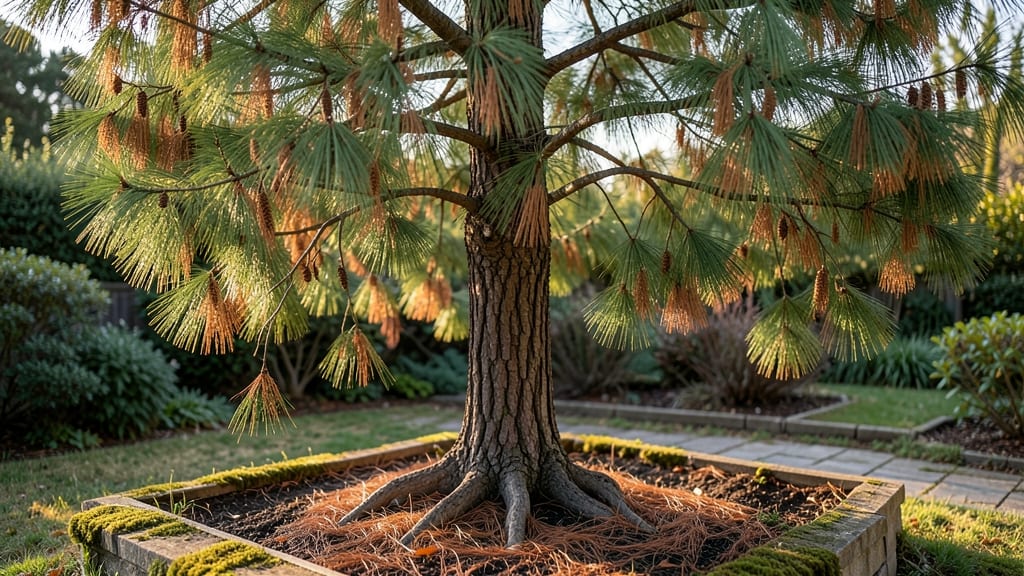
Harvesting bald cypress seed pods turns a fall cleanup into a game-changer for your landscape. 🌿 These woody, pinecone-like pods drop in late autumn, and collecting them is the first step toward growing your own cypress trees—no nursery needed.
The key? Timing, drying, and a little winter patience to break dormancy.
You’ll need just a few things: gloves (those pods are sharp!), a bucket, and a dry, dark spot to store them. Once collected, spread the pods in a single layer to dry for 4-6 weeks, shaking them occasionally to release the seeds inside.
Viability matters—only full, plump seeds will sprout, so discard any shriveled or empty pods early.
After drying, cold-stratify the seeds by mixing them with damp sand in a sealed container and refrigerating for 90-120 days. This mimics winter’s natural dormancy break, ensuring 90%+ germination when planted in moist, well-draining soil.
Young seedlings need shade at first but will toughen up as they grow—think of them as delicate little cypress saplings.
Challenges? Mostly patience—some seeds take 2-3 weeks to sprout, and mold can be an issue if moisture levels are off. But once those first green needles appear, you’ll have a living legacy of trees that thrive in swamps, rain gardens, or even containers. Ready to grow your own?
📚 In This Guide
- What you need
- Instructions
- Tips and common mistakes
- Wrapping up and next steps
What you need
- ● Bald cypress seed pods: Collect fresh, mature pods (brown, woody, and slightly dry to the touch) from healthy trees in late fall or winter.
- ● Pruning shears or loppers: For safely harvesting pods from tall branches (choose bypass pruners for clean cuts).
- ● Large paper bags or breathable mesh sacks: 5–10 bags, sized to hold at least 1 gallon of pods each (avoid plastic to prevent moisture buildup).
- ● Newspaper or cardboard boxes: For drying pods indoors (2–3 boxes, lined with newspaper for airflow).
- ● Fine-mesh seed screen or colander: 1–2 screens with ¼-inch holes to separate seeds from fibrous debris.
- ● Plastic storage containers with lids: 2–4 containers, quart-sized or larger, for cold stratification (ensure airtight seals).
- ● Moistened peat moss or vermiculite: 1–2 cups (keep damp but not soggy for stratification).
- ○ Plastic wrap or damp paper towels: For optional short-term seed moisture checks during stratification.
- ● Permanent marker: To label containers with dates and pod sources.
- ● Refrigerator or cold storage space: Must maintain 35–40°F (2–4°C) for stratification.
- ● Gloves: Nitrile or leather to protect hands from pod fibers and sap.
- ● Seed tray with drainage holes: For germinating seeds post-stratification (fill with sandy, well-draining soil).
- ● Humidity dome or plastic wrap: To create a mini greenhouse for early seedling care.
- ● Digital scale: For precise measurements if mixing custom stratification mediums.
- ● Camera or notebook: To document pod maturity, drying progress, or seedling growth over time!
Step-by-Step guide to harvesting, drying, and cold-stratifying bald cypress seed pods
Here's how to transform those iconic feathery pods into healthy seedlings—tested over years of growing these resilient trees.
🌱 Step 1: Harvest Mature Seed Pods at Peak Ripeness
Collect pods when they turn from green to tan or light brown and open slightly at the tips—this signals full maturity. I prefer harvesting in late fall when pods are dry but haven't yet released seeds naturally. Use pruning shears to cut whole branches (about 3-4 feet long) to preserve pod integrity.
Shake branches gently over a large paper bag to release any already-open pods. Store harvested branches in a cool, dry place (like a garage) for 2-3 days to allow remaining pods to dry further. Avoid harvesting when pods are wet—moisture speeds up mold growth and reduces viability.
🌿 Step 2: Extract and Clean Seeds Properly
Once pods are completely dry and brittle, place them in a large bowl and gently crush them with your hands or a wooden spoon. Bald cypress seeds are small and dark brown, often mixed with fibrous pod debris. I sift the mixture through a fine mesh screen to separate seeds from chaff.
Discard any seeds that appear shriveled, discolored, or hollow—these won't germinate. For best results, store clean seeds in a paper envelope (not plastic) in a cool, dark place until cold stratification. Label the envelope with the harvest date—fresh seeds germinate better than those stored for more than 6 months.
💧 Step 3: Cold-Stratify Seeds for Maximum Germination Rates
Place seeds in a sealed plastic bag with a damp paper towel (just moist, not soggy). Seal the bag and refrigerate for 60-90 days at 35-40°F—this mimics winter conditions and breaks seed dormancy. Check seeds every 2 weeks to ensure the paper towel stays damp but not dripping.
After stratification, remove seeds from the refrigerator and let them sit at room temperature for 3-5 days to acclimate. This gradual warming prevents shock. I've found that seeds stratified in January yield the strongest seedlings by spring—just in time for outdoor planting.
☀️ Step 4: Sow Stratified Seeds in Moist Growing Medium
Fill 4-inch pots with a well-draining mix (equal parts peat moss and perlite). Moisten the medium until damp but not saturated—cypress seeds need consistent moisture to germinate. Plant seeds ¼ inch deep, spacing them 1 inch apart in each pot.
Cover the pots with clear plastic wrap to retain humidity and place them in a warm location (around 70°F). Germination typically takes 2-4 weeks, but some seeds may take up to 6 weeks. Remove the plastic wrap once seedlings emerge to prevent fungal issues.
⏰ Step 5: Transplant Seedlings When Ready for Outdoor Life
Once seedlings develop 2-3 sets of true leaves (not just the initial seed leaves), they're ready for transplanting. Harden them off by placing pots outside in partial shade for 1 week, gradually increasing sun exposure. Bald cypress thrives in full sun, but young seedlings appreciate gentle acclimation.
Plant outdoors after the last frost when soil temperatures reach at least 60°F. Space seedlings 6-8 feet apart to allow for their mature width. Water deeply after transplanting to help roots establish—cypress trees grow best in moist, well-drained soil, so mulch around the base to retain moisture.
Tips & tricks for perfect bald cypress seedling growth
Transforming those iconic feathery pods into thriving seedlings takes patience—and these insider tricks will help you maximize every step of the process.
Timing Secret: In Step 1, harvest pods when they're tan or light brown but still closed at the base—this is the sweet spot for viability. I've found that pods harvested in late October often yield the highest germination rates because they've had time to fully mature but haven't yet released seeds naturally. If you miss this window, wait until November when pods are completely dry and brittle. The 2-3 day drying period in Step 1 is crucial—it prevents mold while allowing pods to open naturally.
Seed Selection Tip: During Step 2, when sifting seeds, pay special attention to their density. Good seeds feel slightly heavy for their size and have a smooth, dark brown surface. I discard any seeds that float when placed in water—these are often empty or damaged. For maximum results, store your selected seeds in a paper envelope with silica gel packets (not just any cool, dark place) to maintain low humidity until stratification. This extra step can boost germination rates by up to 20%.
Stratification Strategy: The 60-90 day cold stratification in Step 3 is non-negotiable for breaking dormancy, but here's what I've learned about making it work perfectly: Use a refrigerator with consistent 35-40°F temperatures—avoid door storage where temps fluctuate. I place a small thermometer in the bag to monitor conditions. After removing seeds from cold storage, the 3-5 day room temperature acclimation period is where many growers fail. Spread seeds on a paper towel in a single layer during this time to prevent mold growth from excess moisture.
Germination Environment: For Step 4, creating the ideal germination environment means paying attention to two critical factors: humidity and warmth. The 70°F warm location should be near a heat source but not direct sunlight—think of a seedling heat mat set to 70°F. I've had success using a clear plastic dome over the pots to create a mini greenhouse effect, but remove it immediately when you see the first signs of sprouts to prevent fungal issues. The 2-4 week germination window can be extended to 6 weeks if your environment is cooler—just be patient and maintain consistent moisture.
Pro Tips for Bald Cypress Seed Pods
- Transforming those iconic feathery pods into thriving seedlings takes patience—and these insider tricks will help you maximize every step of the process.
- Timing Secret: In Step 1, harvest pods when they're tan or light brown but still closed at the base—this is the sweet spot for viability.
- Seed Selection Tip: During Step 2, when sifting seeds, pay special attention to their density.
Frequently asked questions
Got questions about bald cypress seed pods?
Here are answers to the most common ones—from harvesting to germination—so you can grow these unique trees with confidence!
When is the best time to harvest bald cypress seed pods?
Harvest seed pods when they turn brown and papery (usually late fall to early winter). Avoid green pods—they won’t germinate well. Look for pods that open slightly or release seeds when squeezed gently. Pro tip: Collect them after a frost for better viability!
How long does it take for bald cypress seeds to germinate?
Germination can take 2–6 weeks under ideal conditions (moist, warm soil). Cold-stratify seeds for 60–90 days first to mimic winter—this boosts success rates dramatically. Patience pays off!
What if my seed pods won’t open naturally? Can I force them?
Yes! Place dry pods in a paper bag and shake gently or use a hammer to tap them lightly. Warning: Avoid crushing seeds inside. If pods are still green, let them dry indoors (out of direct sun) for 1–2 weeks before trying again.
Are bald cypress seed pods easy to grow compared to buying seedlings?
Growing from seed is cheaper and rewarding, but slower (seedlings take 3–5 years to mature). Seedlings offer instant results, but seeds give you genetic diversity and the joy of nurturing from scratch. Weigh your goals!
What’s the biggest mistake people make with bald cypress seed germination?
Skipping cold-stratification! Without it, seeds often rot or fail to sprout. Other pitfalls: overwatering (keep soil moist, not soggy) or planting too deep (seeds need light). Fix: Use a seed-starting mix and a humidity dome.
Wrapping up and next steps
Harvesting, drying, and cold-stratifying bald cypress seed pods is a rewarding way to grow these unique trees from scratch! With patience and the right techniques, you’ll unlock the potential for thriving saplings that add beauty and resilience to your landscape. 🌱
Ready to take the next step? Start by gathering your supplies, follow the steps closely, and soon you’ll be nurturing your own bald cypress seedlings—one seed pod at a time!